Key Takeaways
- Most places don’t require a craft-specific license to work as a photographer.
- Depending on your state, county, or city, you may need a business license once you start accepting paid reservations.
- Planning a shoot in a park, a government building, or someone’s venue? Ask first. Many of these places want a permit or written permission before you set up.
- Flying a drone for paid work in the US? Get your FAA Remote Pilot Certificate before your first commercial flight.
- Even when no license applies, keep a signed contract, your releases, an insurance policy, and tidy tax records. They’re what protect you when a job goes wrong.
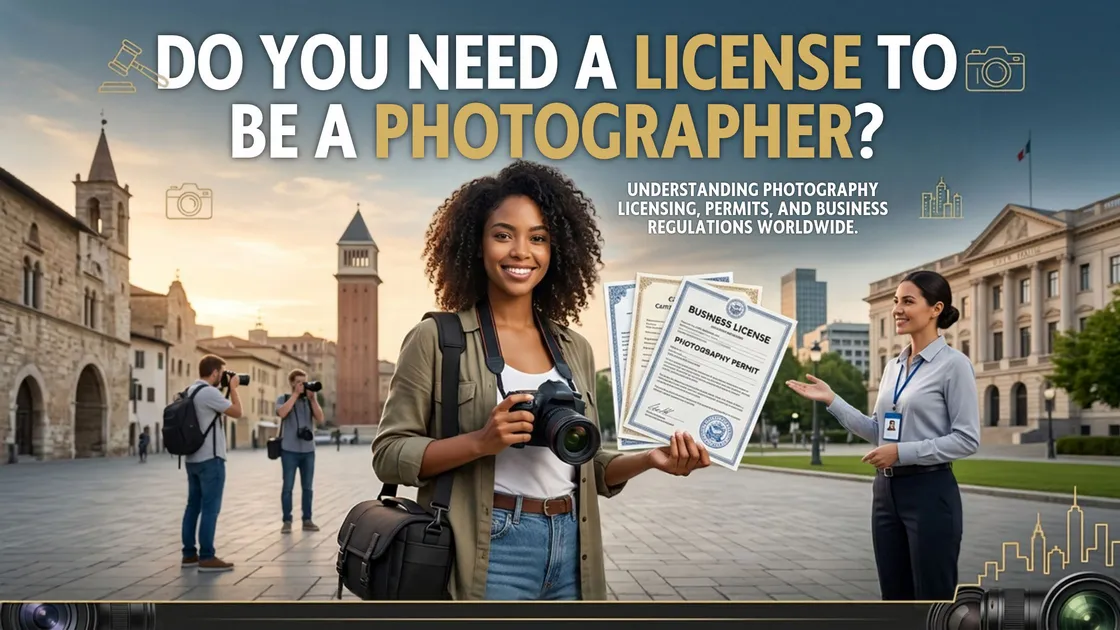
Do you need a license to be a photographer? Usually, no. You don’t need a special photography license to take paid photos. Once photography becomes a real business, you may need a local business license for photographers, tax registration, and permits for certain locations or drone work.
People often mix up two different things: a professional credential and permission to run a business. No exam or government card turns someone into a photographer. Still, charging for weddings, portraits, products, or brand shoots can bring local business rules into play. This guide covers what you might need, when permits apply, and how to set things up properly.
Is a License Required to Work as a Photographer?
For the most part, no. Nobody asks for a degree, an official go-ahead, or a trade certificate before you start calling yourself a professional photographer.
When people hire a photographer, they mostly look at your work, how well you communicate, what you charge, and how you edit your photos. Extra training can sharpen your skills and make your brand more credible (our guide on how to become a professional photographer covers the options), but it’s rarely legally required.
The real line sits between being a photographer and running a photography business. Shooting for friends probably creates no obligations. Once you advertise, sign contracts, accept payments, or sell prints, you’re operating a business, and local authorities may expect you to register it.
Business Licenses and Registration
A photography business license is a local approval that lets you operate legally in a specific city, county, or state. Some areas call it a business tax certificate or an occupational license. The name changes, but the idea stays the same: it tells the local government you’re earning money from a service.
You’ll likely need one if you:
- Shoot weddings, portraits, events, products, or real estate
- Freelance or work from a home studio
- Sell prints, albums, or digital files
- Hire a second shooter, editor, or assistant
Selling physical items like framed prints may also mean registering for sales tax. The rules depend on where your business is based and where you sell.
Working from home? Check zoning rules as well. A small photography business is often fine in a residential area, but some places limit client visits, signage, or parking.
Permits for Certain Shoots
A permit isn’t the same as a business license. The license covers your whole operation, while a permit usually applies to one location, event, or activity.
| Shoot situation | What you may need |
|---|---|
| Public park | A permit for commercial work, large groups, or professional gear |
| Government building | Advance approval: some restrict photography altogether |
| Private venue | Written permission from the owner or manager |
| Wedding or corporate event | Venue approval or an event-specific permit |
| Drone photography | FAA Remote Pilot Certificate, drone registration, possible airspace authorization |
Parks often allow casual photography, but paid shoots can be treated differently. If you’re bringing light stands, a crew, or shooting for a brand, call the park office first.
Drone rules are stricter because drones share airspace with other aircraft. In the US, commercial operators need a Remote Pilot Certificate under FAA Part 107 and must register the drone. Local governments may add their own rules on takeoff, landing, and privacy.
Other Legal Basics You Do Need
Even if your city doesn’t ask for a photography license, a little paperwork saves you from disputes later.
- Client contract: Covers price, shoot date, delivery deadline, cancellation terms, and image usage rights.
- Model release: Written permission to use a recognizable person’s image in your portfolio or ads.
- Property release: Handy when a private building or a branded space shows up in photos meant for commercial use.
- Insurance: A liability policy steps in if someone gets hurt or something gets damaged while you’re shooting.
- Invoices and tax records: Don’t mix your business money with your personal money. Track them separately.
A written contract matters most for weddings and commercial work, where extra hours, travel fees, and delivery timelines can easily confuse.
How to Set Up Legally
- Check local requirements. Visit your city or county website, or call the licensing office, and ask what photographers need.
- Choose a business structure. Many start as sole proprietors, while others form an LLC to separate personal and business liability.
- Pick your business name. If you’ll work under a brand name instead of your own, register it.
- Sort out your tax accounts. Sign up for sales tax if it applies to you, and think about getting an EIN so your money stays organized.
- Get your business license. Send in the application, pay the fee, and save a copy of the approval for your records.
- Ask about permits before every shoot. Talk to the park authority, the venue, or the property owner ahead of time.
- Send contracts and releases before the session, not after delivery.
- Track renewals. Many licenses and permits expire yearly, so set reminders.
Start Your Photography Business the Right Way
You don’t need permission to enjoy photography, but you do need a solid foundation to build a dependable business. Before you book your first paid shoot, check your local rules, get a business license if your area requires one, and put every booking in a clear written agreement. Once the paperwork is sorted, our guides on how to become a freelance photographer and how much a photographer costs will help you find clients and price your work.
Plexail works with photographers who want more online visibility, a steady flow of the right clients, and a brand people remember, all through hands-on digital marketing support. Want to talk it through? Call +91 9819259097 or email info@plexail.com.