Key Takeaways
- You do not necessarily need a costly camera. A suitable shutter speed and sufficient light are what matter most when photographing moving subjects.
- A shutter speed of 1/1000s or faster suits most moving subjects, although moving water may need 1/2000s or faster.
- Good natural light lets you use fast shutter speeds without under-exposing your images.
- Burst shooting lets you capture a sequence of images, which improves your chances of getting the ideal photo.
- Basic composition principles, such as leaving room in front of your subject, make action photographs stronger.
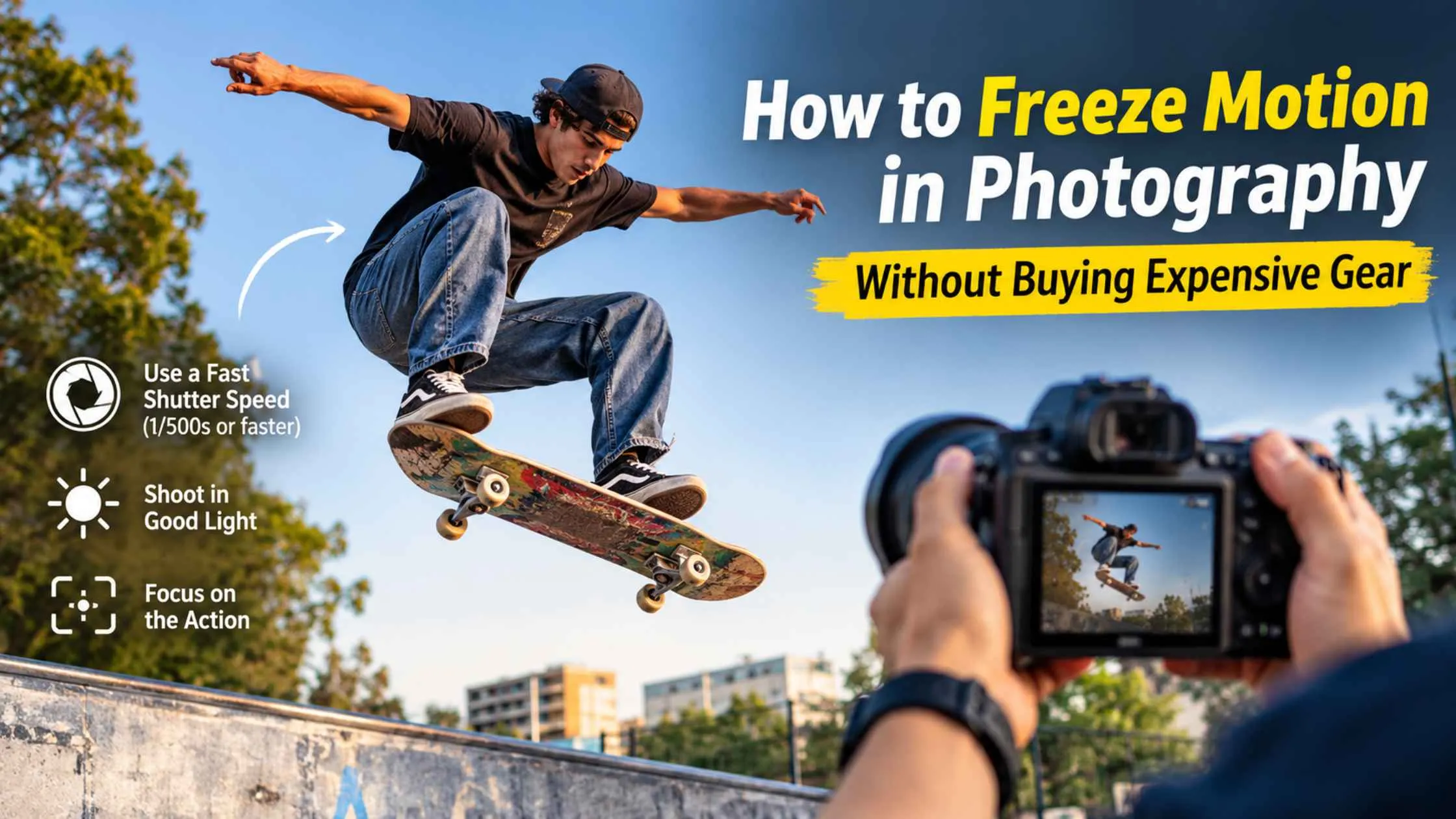
To freeze motion in photography, set a fast shutter speed (usually 1/1000s or faster for sports and pets), give your camera plenty of light and shoot in burst mode with continuous autofocus. None of this needs expensive gear.
Have you ever tried to photograph a dog running around a garden, a child swimming in a pool or water splashing from a glass? Even when you press the shutter at the perfect moment, the image can come out blurry, which is disappointing, particularly when the scene was too good to miss.
Luckily, you do not need specialist gear to fix this. Knowing the right shutter speeds, having enough light and getting your timing right is enough to take sharp action photographs.
This is what high speed photography is about. It lets you stop the action so that even fast scenes look clear and detailed. Whether you are shooting sports, animals, children or content for social media, there are simple methods you can use to improve your action photography.
Best Shutter Speed to Freeze Motion by Subject
Shutter speed is a key setting to consider when shooting moving subjects. Slower speeds allow more movement to occur within an image and often result in blurring. A faster speed captures the action in a much shorter moment.
You may be able to shoot walking people at 1/250s. If they are running or taking part in sports, you will need a faster speed to keep your photographs clear. Below are suggested shutter speeds for particular subjects:
| Subject | Recommended shutter speed |
|---|---|
| Walking people | 1/250s to 1/500s |
| Running people | 1/500s to 1/1000s |
| Sports and fast-moving pets | 1/1000s to 1/2000s |
| Birds in flight | 1/1600s to 1/2500s |
| Water splashes and droplets | 1/2000s or faster |
Again, these are just suggestions. If your images are still not clear after experimenting with a speed, increase it further. Practical experimentation is often a more effective way to learn than referring to a table. Once you have seen the effect of 1/1000s on a galloping dog, you are unlikely to forget it.
Use Shutter Priority Mode
Switching your camera to Shutter Priority (often labelled S or Tv) means that while you adjust the shutter speed, your camera automatically sets the remaining options. This is a user-friendly way to start exploring fast shooting.
The Light Trick That Matters More Than Your Camera
This is a point many beginners are never told. A fast shutter speed lets in very little light, so your camera needs plenty of it to work with. That makes bright daylight the ideal time to shoot.
Fortunately, there are easy ways to improve your lighting:
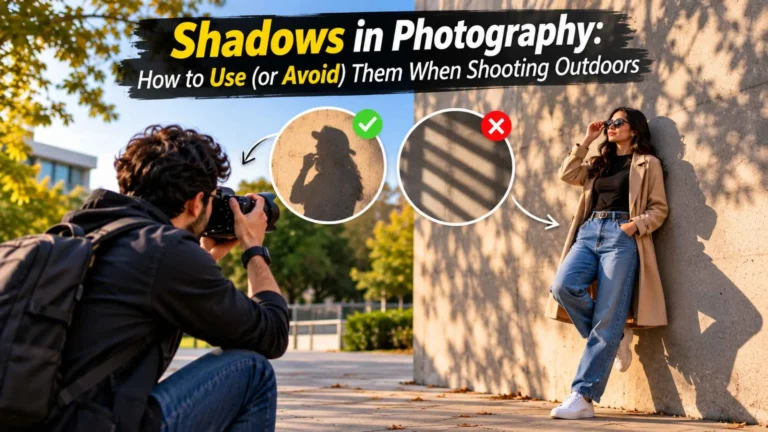
- Shoot outside. Open shade or morning light works well, and midday sun is also manageable. Our guide to shadows in photography explains how to handle harsh light and open shade.
- Position your subject to face the light.
- Use an affordable flash or strobe.
Using Burst Mode to Freeze Motion
When taking action photographs, capturing the image at just the right time is very important. People, football players and even dogs can all move in a fraction of a second. Thankfully, burst mode can help.
While you hold the shutter button down, your camera takes multiple photographs in quick succession. You can then review these and select the best. Scrolling through 20 images is much easier than trying to take the perfect photo in one go.
Pro tip: Make sure your autofocus is set to continuous. This lets the camera keep focusing on your subject as it moves.
Composition for Motion Shots
Even if you have captured a sharp image, poor composition can still result in an unappealing photograph. When composing dynamic images, consider where the subject is heading.
Photographers often include lead room (also known as looking room) in their images. For example, if you are photographing someone cycling from left to right, position them slightly to the left of the frame. This gives the cyclist room to move into the image and results in a more natural composition.
You can also try these composition tips:
- Shoot from a nearer point. This can add further interest to an image of dynamic activity.
- Minimise the complexity of the background. A busy background can distract people from what is really important in the image.
- Vary your shooting angle. Photographing a jumping person from a lower angle can make the movement look more dramatic.
- Match your camera’s panning movement with that of your subject. This can produce another type of dynamic image.
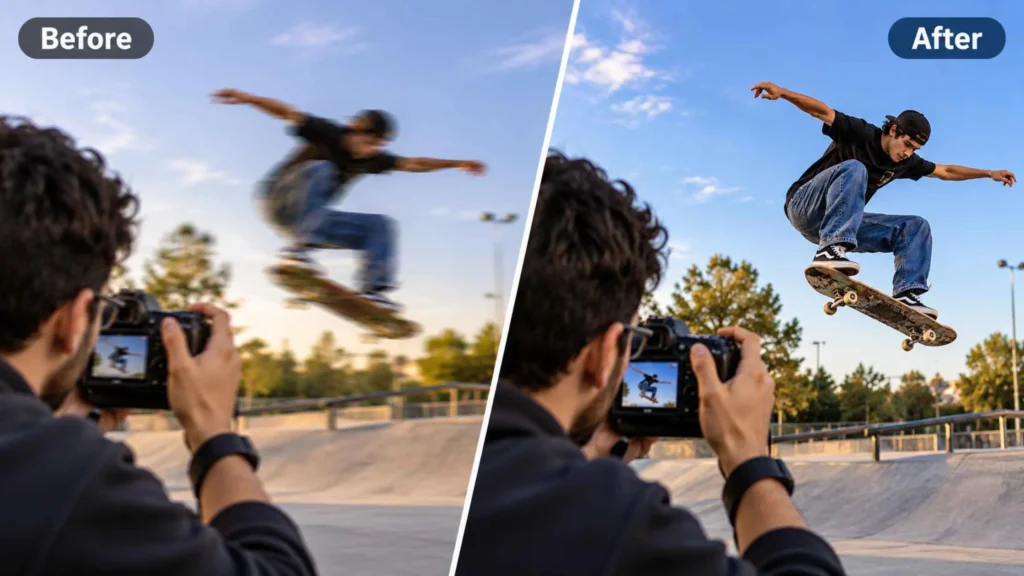
Get Professional Help With Action Photo Editing
Even a well-timed shot sometimes needs finishing, such as exposure fixes, noise clean-up or retouching. The team at Plexail offers photo editing services and photo retouching services, so your best action shots are ready to use.
Get in touch with Plexail today. Call +91 9819259097 or email us at info@plexail.com.