

Key Takeaways
- Auctions take a conservative approach when it comes to photographing products; this is because buyers make their purchases based on what the picture depicts.
- Consistent, high-quality imagery across a full catalog builds trust with a bidder base and directly affects final sale prices.
- Editing needs to preserve authenticity markers (patina, wear, maker’s marks) that would matter to a serious collector or bidder, not smooth them away.
- Fast turnaround matters more in this category than most, since auction timelines are fixed and inflexible.
Auction photography operates under a different standard than most product photography: accuracy isn’t just good practice; it’s often close to a legal and reputational necessity. A misrepresented item, even unintentionally through over-enhanced photos, can damage a house’s credibility and create real disputes with bidders. That’s exactly why auction house photo editing is its own specialty, not just general product editing applied to a different category of goods.
Why Accuracy Matters More in Auction Photography Than Almost Any Other Category
In most e-commerce photography, a degree of enhancement is expected and accepted. In auction photography, that expectation flips: bidders rely on the photo to accurately represent condition, authenticity, and detail, often for items where those exact qualities significantly affect value. Over-editing a piece, smoothing away patina, hiding wear, or exaggerating color, can create a real gap between what a bidder expects and what actually arrives, which damages trust in a way that’s costly for both the individual seller and the auction house’s broader reputation.What Auction House Editing Specifically Requires
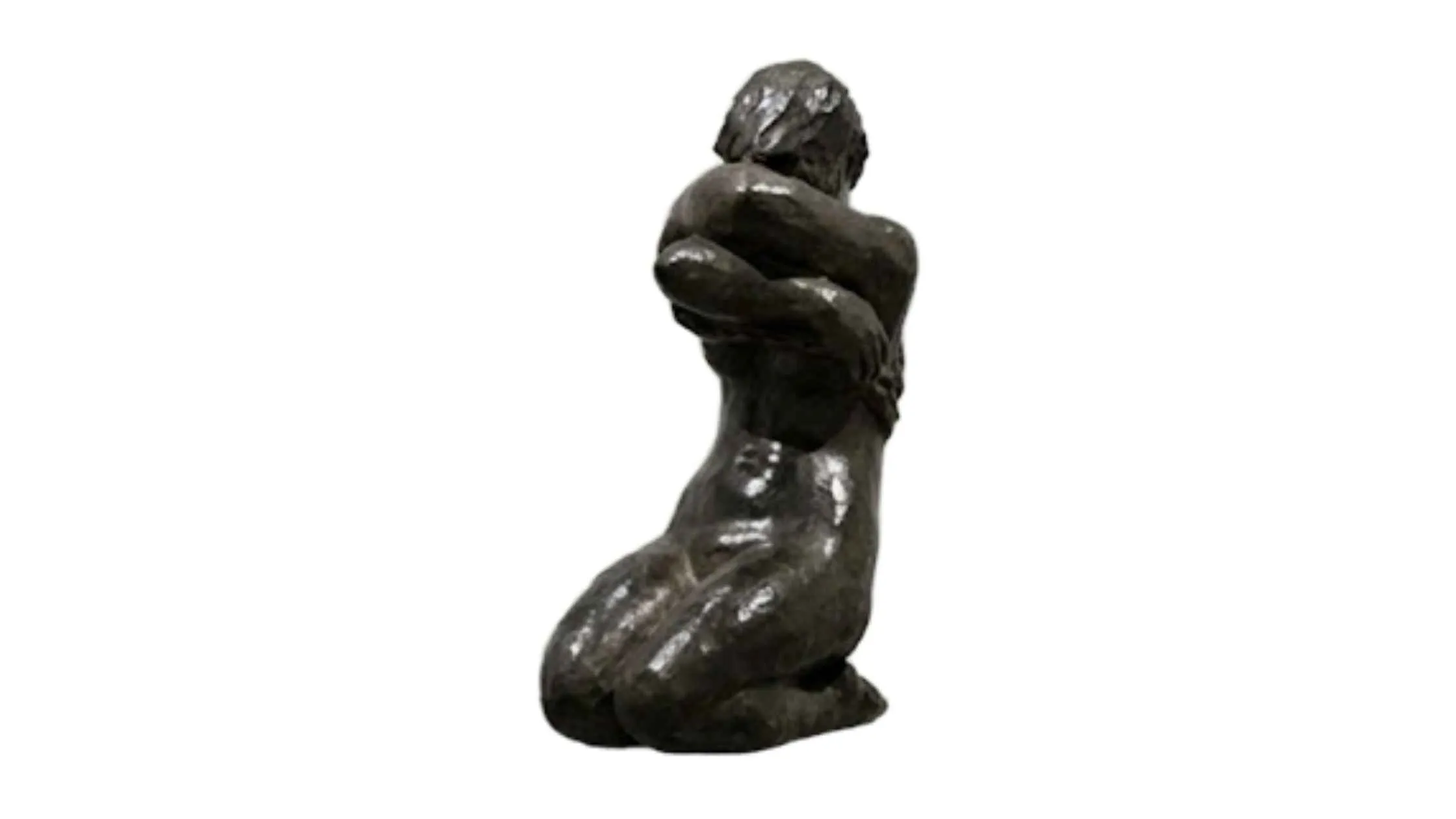
Color accuracy matters intensely here, since color often directly affects a collector’s assessment of authenticity and value (patina on bronze, the true tone of aged wood, the specific hue of a gemstone). Detail preservation is equally critical: maker’s marks, hallmarks, signatures, and fine craftsmanship details need to remain crisp and legible, since these are often exactly what a serious bidder looks for. And background and lighting consistency across a full catalog helps bidders compare lots fairly, without one item looking artificially more appealing due to inconsistent photography rather than genuine quality differences.Why This Differs From Standard Product Retouching
Standard e-commerce retouching often aims to make a product look as appealing as possible within reasonable bounds. Auction editing aims for the most accurate, highest-quality representation of the item exactly as it is, with wear, age, and authenticity markers intact. An editor working in this space needs the judgment to distinguish between cleaning up a genuine photographic flaw dust on the lens, poor lighting and altering the actual appearance of the item itself, which crosses into misrepresentation.Why Consistency Across a Catalog Matters for Final Sale Prices
Auction catalogs are browsed and compared lot by lot, and inconsistent photography (varying lighting, background removal, or color correction) can cause bidders to unconsciously discount lots that are photographed less favorably, even when the item itself is equally strong. Consistent, professional editing across an entire catalog helps ensure that every lot gets a fair visual presentation, which supports stronger bidding across the board rather than just on a few standout images.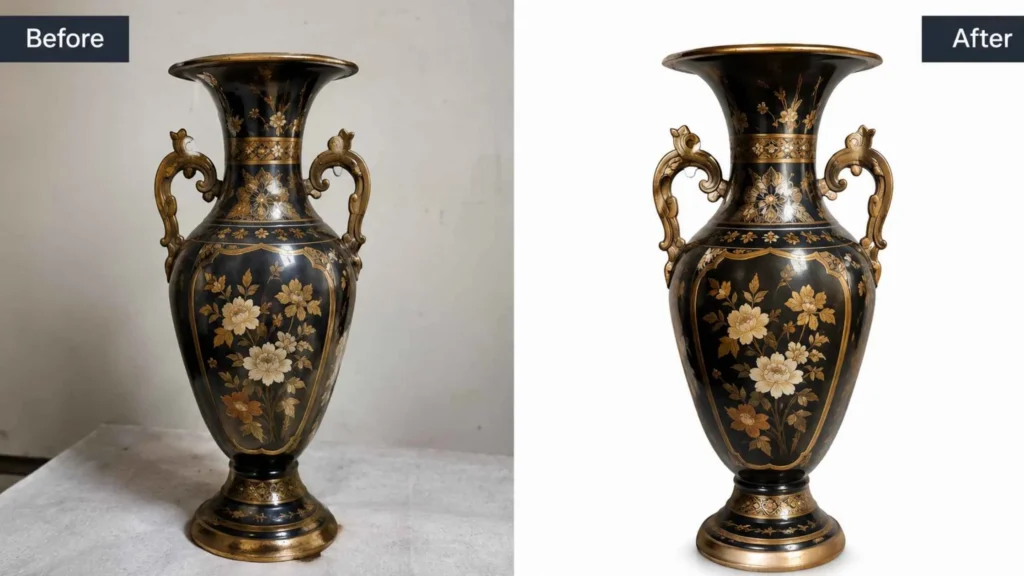
Why Turnaround Speed Matters More Here
Auction timelines are typically fixed well in advance and don’t flex the way a typical e-commerce listing schedule might. Photos need to be ready for catalog publication by a specific date, which makes reliable, fast turnaround a genuine requirement rather than a nice-to-have for any editing partner working with auction houses or individual sellers.Frequently Asked Questions
Why is over-editing a bigger risk in auction photography than in typical product photography?
Auction images can be relied upon by bidders for the state and authenticity, which are factors that contribute to the value of the piece. Exaggeration of these factors may cause inconsistency between expectations and reality, leading to disputes.
Which factors need to be considered when editing auction images?
Details such as maker’s marks, hallmarks, signatures, and quality craftsmanship need to be maintained and legible so they can be carefully examined by buyers.
Does consistent photography across a catalog actually affect final sale prices?
It can. Inconsistent lighting or background treatment can cause bidders to unconsciously undervalue lots that are less favorably pictured, even when the item itself is comparable in quality to others in the catalog.
Why does turnaround time matter more for auction editing than general product photography?
Timelines for auctions are determined well in advance because of catalog preparation, whereas timelines for regular e-commerce listings depend upon the convenience of the seller, thus making it a strict criterion as opposed to being an optional one.






