Key Takeaways
- Retouching clears flaws, spots, and dullness that raw jewellery photos always show.
- It fixes distracting backgrounds so the piece is the focus.
- It fixes color problems from lighting, much cheaper than re-shooting.
- Consistent, flawless images build brand identity and lift sales.
Jewellery is one of the hardest things to photograph and one of the least forgiving to sell online. Reflective metal and gemstones catch every fingerprint, reflection, and speck of dust, and can look dull or discoloured in a raw shot. In a competitive market, that gap between the real piece and the photo costs sales. Here are five reasons professional jewellery retouching is essential, not optional.
Why Jewellery Is So Hard to Photograph
Some context first: jewellery is uniquely difficult to shoot. Highly reflective metal and faceted stones bounce light unpredictably, pick up reflections of the studio and photographer, and show every fingerprint, dust speck, and micro scratch from handling. Even a technically good photo usually needs retouching to match the piece in person, which is why jewelry editing and jewelry image retouching are standard in the trade.1. Clearing Flaws
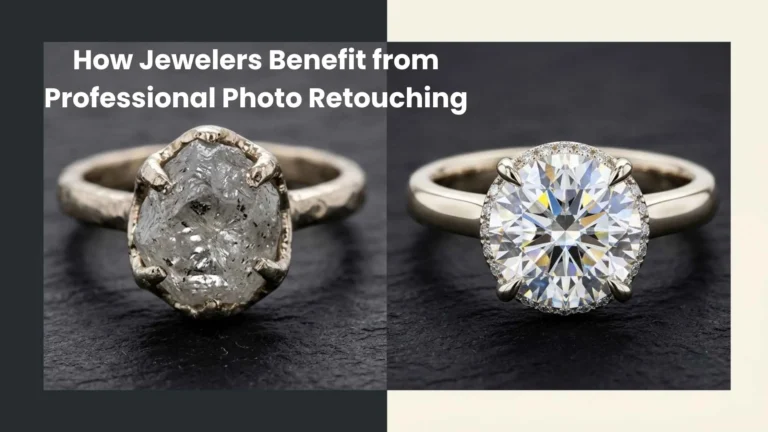
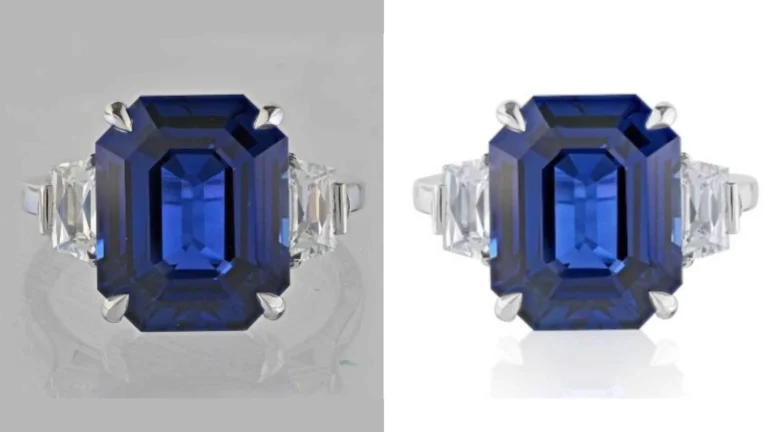
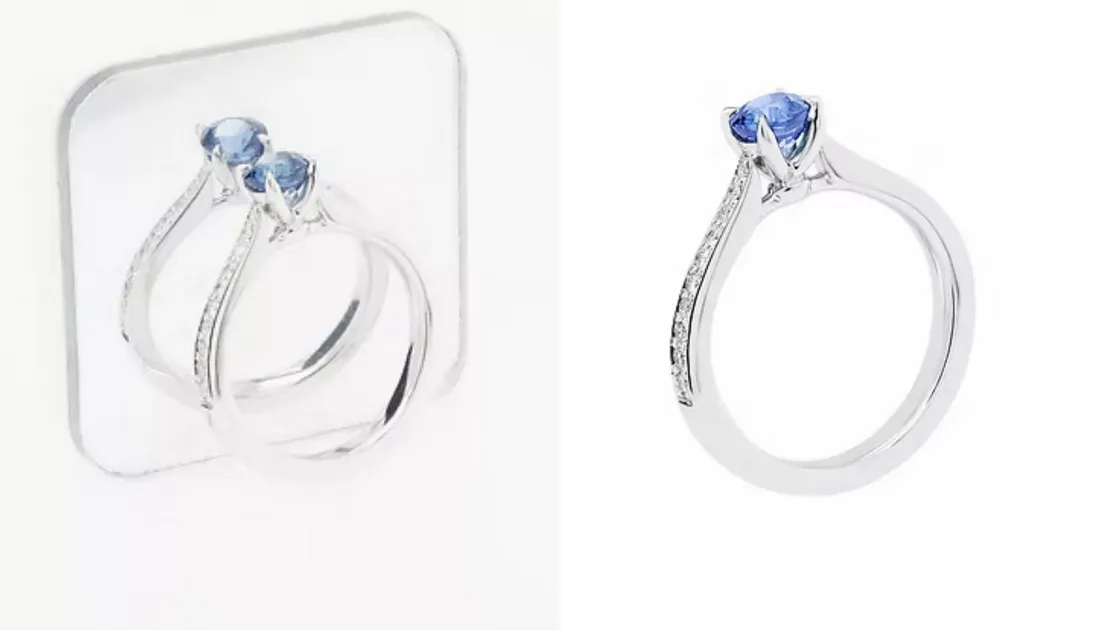
Poor-quality photos with visible flaws hurt a brand’s reputation and cost sales, because shoppers assume the product itself is flawed. Retouching clears spots, dust, fingerprints, and dullness, so each piece looks clean and professional, like a buyer expects.2. Fixing Distracting Backgrounds
The background matters more than most people think. A cluttered or dull one distracts from the jewelry and lowers its value in the shopper’s eyes. Jewelry image editing can reduce or replace the background with a clean backdrop, keeping the focus on the piece.3. Correcting Colour
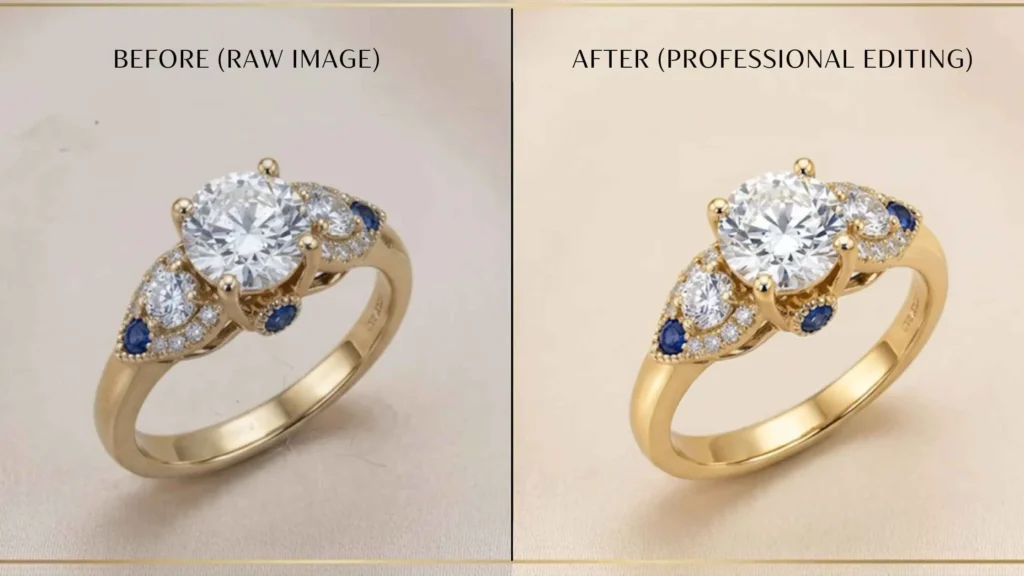
Poor lighting or camera settings often throw off colour: a gold that reads too brassy, a diamond that looks grey, a gemstone whose true hue is lost. Rather than the cost and effort of reshooting, retouching corrects colour precisely, restoring the metal and stones to their accurate, appealing tones. The cost-effective fix for a common problem.4. Builds a Strong Brand
Clean, consistent images give a business a professional look. Every product in your catalog is treated with the same care, which helps your brand feel more premium and trustworthy. Over time, that look becomes part of who you are, and it’s often what makes a customer pick you over a competitor whose photos look rushed or messy.5. Lifting Sales
In short, better images sell more jewellery. Combining creative presentation with careful retouching produces compelling catalogues and listings that attract buyers and build reputation. Since online buyers judge entirely on the photo, retouching that makes each piece look its flawless best directly supports conversions, which is why it pays for itself.
Getting the Best Results
Editing jewelry photos works best from a good starting point: clean each piece before shooting, use controlled lighting to manage reflections, and shoot high resolution. Give the retoucher reference for the true colour of metals and stones. The better and more accurate the source, the more natural and faithful the result, and the faster it comes back, which keeps both your costs and turnaround down over a full catalogue of pieces. When you compare the best jewelry retouching services, ask for a small sample first so you can judge accuracy.