Key Takeaways
- Jewellery demands impeccable clarity and detail. Editing is what delivers it.
- Accurate colour and reflection control are essential and hard to get in camera.
- Consistent, flawless catalogue images project luxury and build the brand.
- Better imagery improves e-commerce visibility, engagement, and sales.
In jewellery, the photograph is the product; until a buyer holds the piece, the image is all they have. And jewellery, with its intricate designs, tiny gemstones, and reflective surfaces, demands near-perfect imagery to sell. Expert photo editing is what delivers that, and it is one of the highest-leverage investments a jewellery brand can make in its marketing. Here is how it drives results.
Clarity and Detail
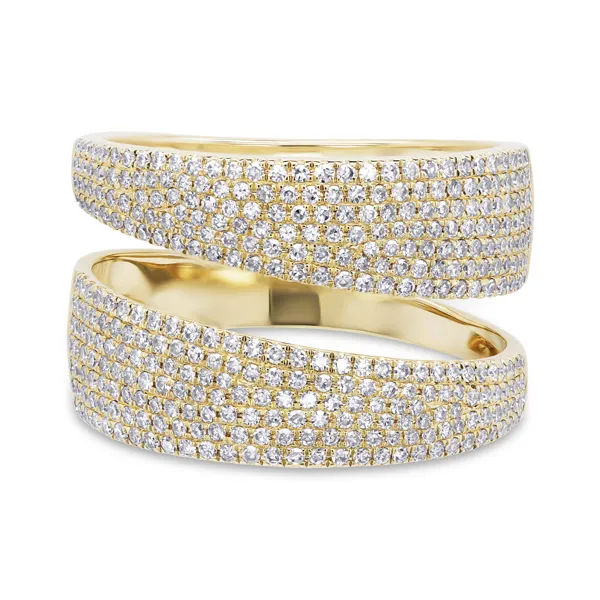
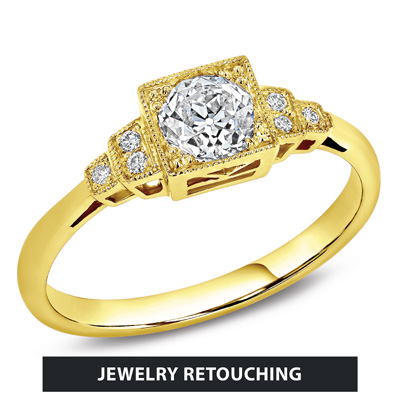
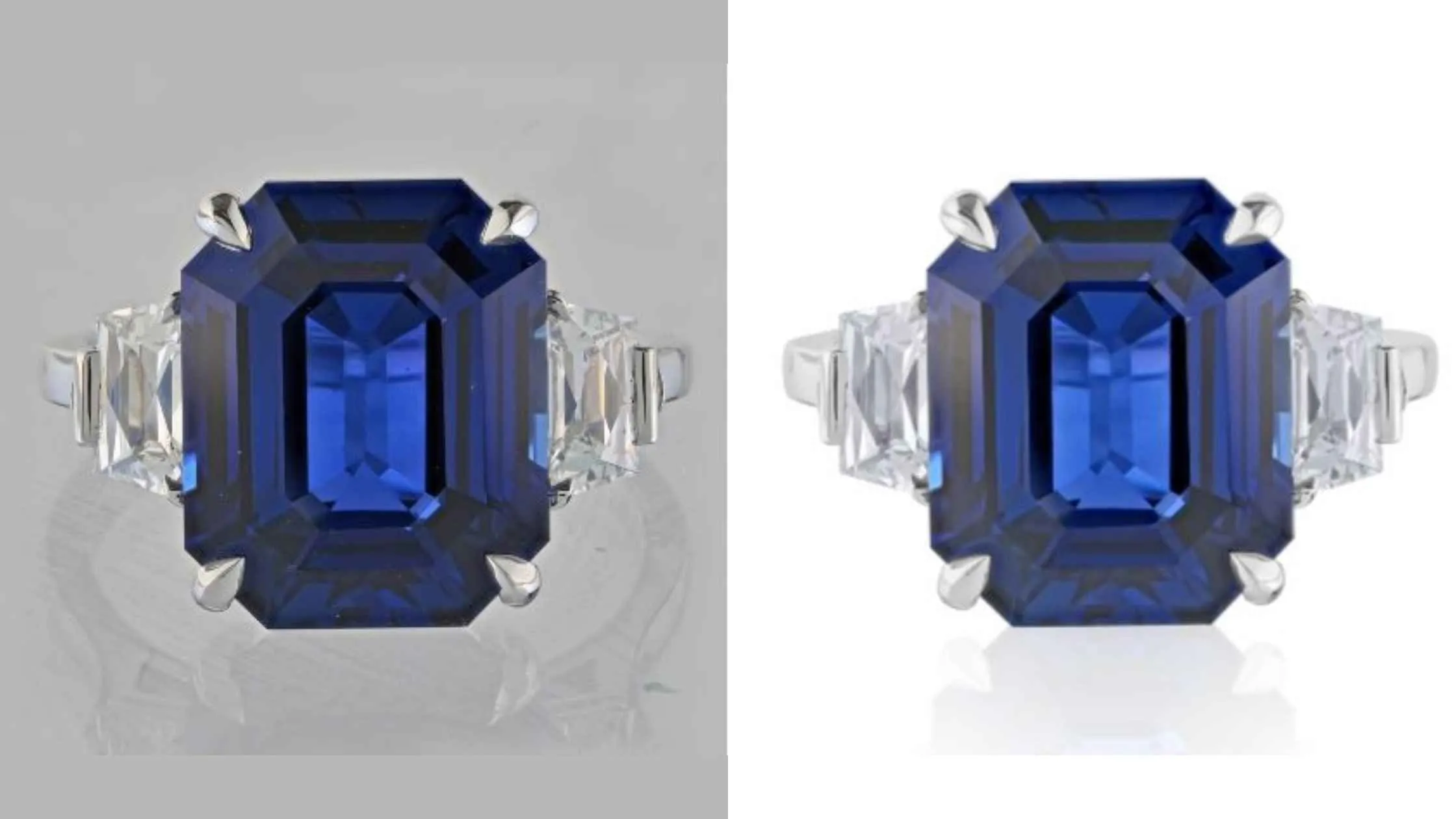
Jewellery’s appeal is in its detail: the cut of a stone, the setting, the fine metalwork, and buyers want to examine it closely. Editing sharpens and enhances so every facet and design element is crisp and visible. That clarity lets shoppers scrutinise a piece the way they would in person, which builds the confidence to buy an expensive item online.Accurate Colour and Reflective Surfaces
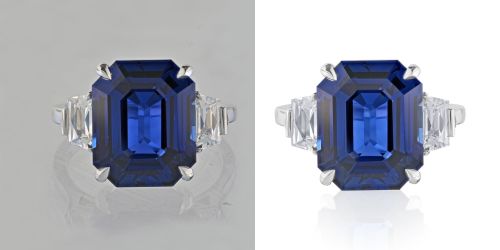
Two of jewellery photography’s hardest problems, true colour and reflections, get solved in editing. Colour correction ensures gemstones and metals are accurately represented (a common failure in camera), while reflection management clears the studio, photographer, and unwanted glare that reflective surfaces always pick up. Both are essential for a piece to look as it does in reality.Clearing Flaws and Imperfections
Up close, jewellery photos reveal every fingerprint, dust speck, and micro scratch from handling. Editing clears these so each piece looks pristine, exactly as a buyer expects a premium product to appear. At jewellery price points, a single visible flaw can cost a sale, so this cleanup directly protects conversions.Consistency Across the Catalogue
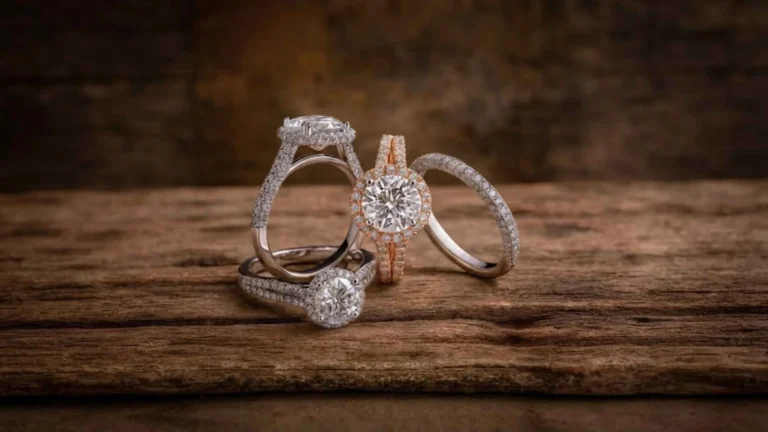
Holding uniform lighting, colour, and style across a jewellery catalogue is what projects a luxury, trustworthy brand. Inconsistent images signal lower quality; consistent, flawless ones signal a brand worth its prices. Expert editing enforces that consistency across every piece, turning a collection of photos into a cohesive brand presentation.Brand Presentation and Luxury Positioning
Professional imagery projects luxury before a single word is read. Polished, consistent, flawless photos position a jewellery brand as premium and desirable, shaping how customers perceive its value. In a category sold largely on aspiration and trust, that perception, built substantially through editing, is central to the marketing.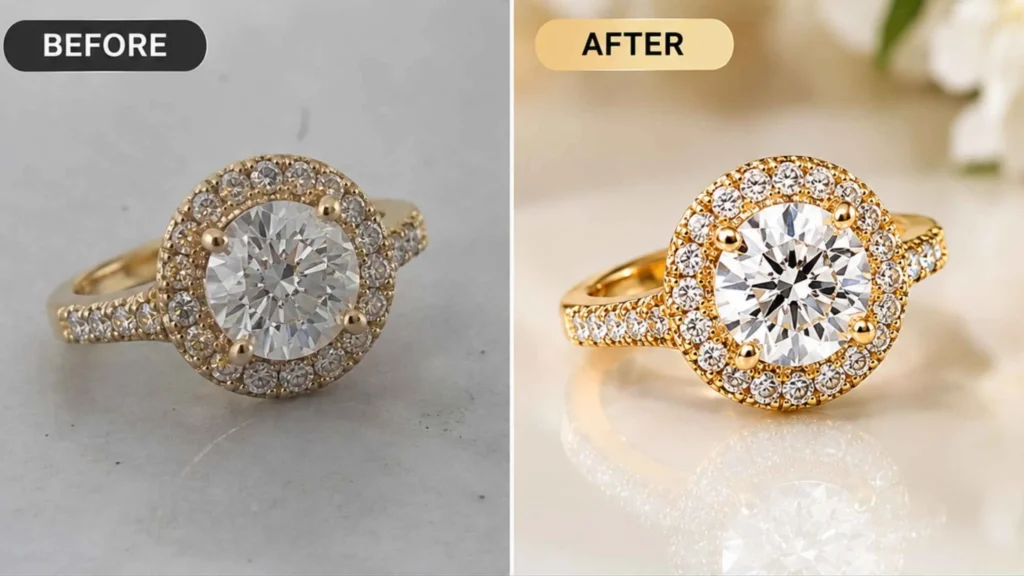
Restoration for Vintage Pieces
For antique, estate, or heritage jewellery, editing can also restore aged photographs of the pieces, reviving faded or damaged images so vintage items can be marketed as attractively as new ones. A niche but valuable benefit for dealers and brands trading in older or one-of-a-kind pieces.Stronger E-commerce Performance
All of this converts into marketing results. Clearer, accurate, consistent, flawless images improve visibility on e-commerce platforms and marketplaces, increasing engagement through detailed product views, and raise conversions. Since online jewellery buyers judge entirely on the image, expert editing is one of the most direct levers on sales, which is why it is a marketing investment, not just a production cost.Frequently Asked Questions
Why is editing important for jewelry marketing?
Because the image is effectively the product online. Jewellery’s intricate detail, colour, and reflective surfaces demand near-perfect imagery, and expert editing delivers the clarity, accuracy, and consistency that build buyer confidence and drive sales.
What does expert jewelry editing involve?
Enhancing clarity and detail, correcting colour, managing reflections, clearing flaws and fingerprints, ensuring catalogue consistency, and sometimes restoring images of vintage pieces, all to present each piece flawlessly.
Why is jewelry so hard to photograph accurately?
Reflective metals and faceted stones bounce light unpredictably, pick up reflections, and show every mark, and colour is easily thrown off in camera. Editing corrects colour and reflections that are very hard to control during the shoot.
How does editing help jewelry sell online?
Clearer, accurate, flawless images let buyers examine pieces closely and trust what they see, improving marketplace visibility, engagement, and conversion. Online buyers judge entirely on the photo.
Why does catalogue consistency matter?
Uniform lighting, colour, and style project a luxury, trustworthy brand, while inconsistency signals lower quality. Consistent, flawless imagery is central to premium positioning.
Can editing restore photos of vintage jewelry?
Yes. Restoration can revive faded or damaged images of antique or heritage pieces, so vintage jewellery can be marketed as attractively as new items, valuable for dealers and estate pieces.
Is expert jewelry editing worth the cost?
For most jewellery brands, yes. Since images directly drive online sales in a category sold on detail and trust, expert editing is one of the most direct levers on marketing performance, an investment rather than just a cost.
How much does jewelry photo editing cost?
It varies with complexity; a simple single piece is inexpensive, while intricate items with many stones and reflections take more time. Ask for a quote based on your specific pieces and catalogue volume; for most brands, the sales lift from professional jewelry photo editing outweighs the cost.