Key Takeaways
- Precision matters at the pixel level. Sloppy edges, missed distractions, or inconsistent color across a listing set all undermine a property’s presentation.
- The strongest providers use HDR blending, virtual staging, and perspective correction as standard tools, not premium add-ons.
- A good editor doesn’t treat every home the same. A rustic farmhouse should look warm and cozy, and a modern condo should look clean and sharp. Editors who run one preset on everything miss that.
- Consistent turnaround and communication matter as much as the editing itself for an ongoing working relationship.
Precision and Attention to Detail
The best real estate photo editing treats every pixel as if it matters, because in a listing photo, it does. A missed reflection in a window, an uncorrected lens distortion on a doorway, or a color inconsistency between two photos of the same room all chip away at how polished a listing feels. Good providers check for these details as part of their normal routine, not only when a client asks.
Advanced Editing Techniques as Standard Practice
What separates leading providers is treating advanced techniques as the baseline, not a premium upsell. HDR blending (combining multiple exposures so bright windows and darker interiors are both properly lit) is one of the most common examples: a room shot without it either loses detail in the shadows or blows out the windows to pure white, and both look unprofessional next to a properly blended result. Virtual staging and perspective correction fall into the same category: tools that used to be specialty services are now table stakes for a serious real estate editing provider. Together they make up real estate photo enhancement that goes well beyond simple brightness fixes.
Customization Instead of a One-Size-Fits-All Treatment
Every property has a different character, and the best editing respects that rather than applying an identical filter or treatment across every listing regardless of style. A rustic farmhouse benefits from warmer, softer tones that match its character. A sleek modern condo often calls for crisper, cooler color treatment that emphasizes clean lines. A provider that edits every property the same way, regardless of what kind of home it actually is, is optimizing for speed over presentation.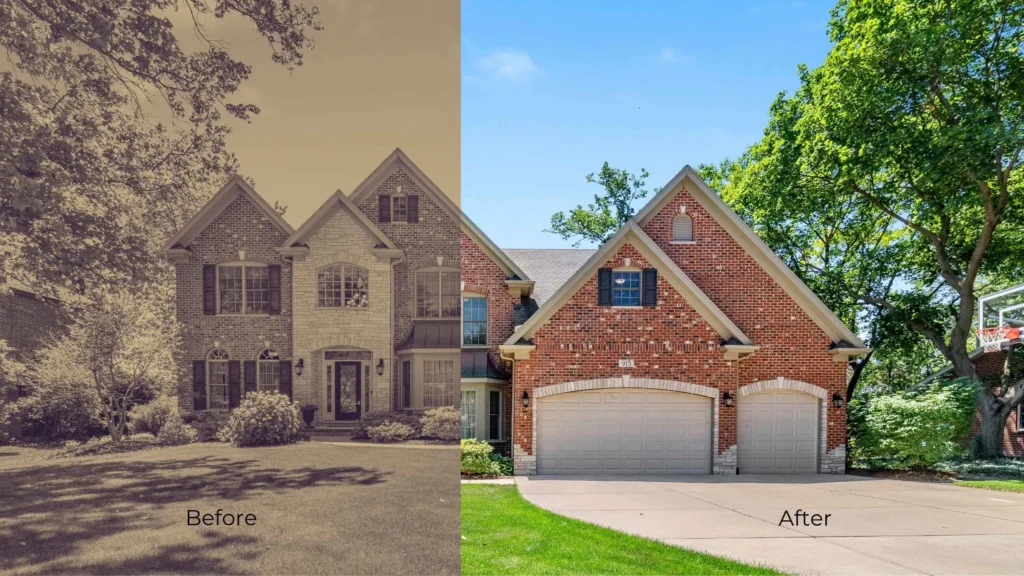
Timely Delivery Without Sacrificing Consistency
In real estate, a delayed listing has a real cost; every day a property sits unlisted is a day it’s not attracting buyers. The best providers meet deadlines reliably without letting quality slip on high-volume weeks, and they maintain the same editing standard whether it’s a single listing or a hundred-image batch delivered during a busy season.A Genuinely Responsive, Client-Centered Process
The strongest providers communicate clearly, listen to specific requests (a particular color treatment, a preference for how much virtual staging to add), and make revisions straightforward rather than treating feedback as friction. This client-centered approach often separates a one-time transaction from an ongoing working relationship a realtor or agency comes back to for every listing.How to Actually Evaluate This Before You Commit
Ask to see a full before-and-after set from a real listing, not just polished hero shots, so you can judge precision and consistency across an entire property rather than a single cherry-picked image. The same checks apply to any photo editing provider, as covered in our guide to getting excellent results from a photo editing service. Ask directly whether HDR blending and perspective correction are included in standard pricing or billed as add-ons. And ask how the provider adjusts their editing approach for different property styles; a generic answer here is often a sign of a one-size-fits-all process.