Key Takeaways
- Virtual staging is far cheaper and faster than physical staging: no rental, delivery, or setup.
- It helps buyers picture themselves in a space, which empty rooms make surprisingly hard.
- A room can be shown in several styles to suit different buyers.
- Staged photos should always be labelled as virtually staged, to protect trust.
Saves Time and Money
Physical staging means renting furniture, arranging delivery and setup, and paying for it month after month while the place sits on the market. Virtual staging swaps all of that for a digital process: an editor furnishes the room in software, often for a fraction of the cost and time. For agents managing multiple listings, even small savings add up quickly.
Helps Buyers Picture the Space
Most buyers struggle to imagine an empty room furnished, and a bare space can feel small or purposeless. Staging shows the room’s function and scale, where the bed fits, how the living area flows, so buyers connect emotionally and see themselves living there. That connection is often what turns a listing view into a viewing request.Flexible and Customizable
One empty room can be staged in several styles (modern, classic, minimalist, family-friendly) to appeal to different buyers. That lets agents tailor a listing to its likely audience, or present a versatile space in more than one way, something physical staging cannot match without redoing the whole room..
Low Footprint, Low Hassle
Virtual staging has no physical footprint. There’s no furniture to truck in, store, or dispose of, and no hassle of moving real pieces through a property. For agents, that means one less thing to coordinate and a faster path from listing to marketing.Lifts Online Listing Performance
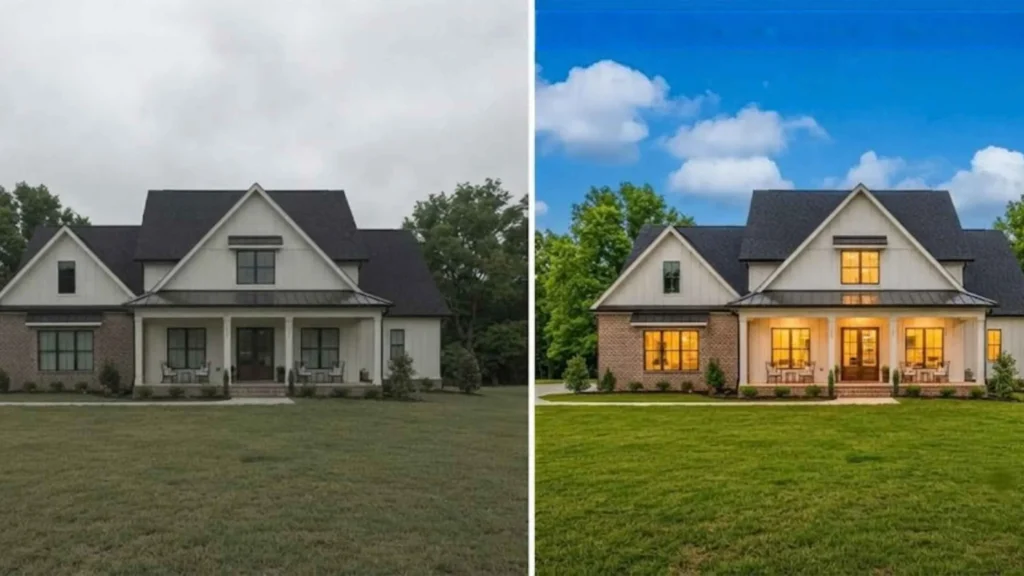
Listings with attractive, furnished-looking photos get more clicks, longer views, and more enquiries than listings full of empty rooms. Since the online listing is where buyers form their first impression, staged images improve the metrics that lead to showings and offers, a real edge in a crowded market. Pairing staging with real estate photo enhancement, such as brightness fixes or twilight real estate photography, makes a listing look even stronger.
How the Process Works
Virtual staging is quick and easy. You send clear photos of the empty rooms and choose the style and furniture you like. A real estate photo editing team then adds everything digitally, so the pieces fit each room’s size and lighting. You provide the photos and changes, and soon get finished, listing-ready images. When you post them, add a “virtually staged” label. Since it’s all digital, you can also give the same room a new look whenever you want, without moving a single piece of furniture.