Key Takeaways
- True-to-life color and lighting. When a product looks the same in person as it does online, shoppers aren’t let down. That means fewer returns and fewer unhappy reviews.
- A consistent look across your store. When every photo has the same style, your shop feels organized and trustworthy, and shoppers tend to assume the products are just as good.
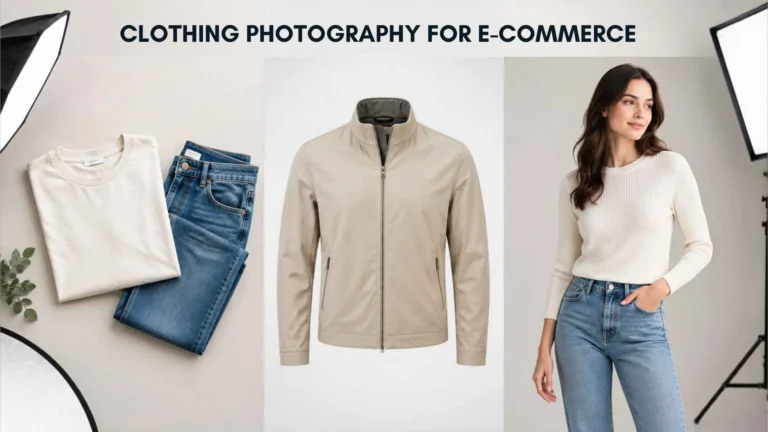
- Clean backgrounds and sharp details. Shoppers can see what they’re buying at a glance, so they spend less time thinking it over and click “buy” sooner.
- Don’t overdo the editing. Photos that look too perfect or too filtered can mislead about what the product delivers. That can hurt sales just as much as poor editing.
First Impressions Happen in Seconds
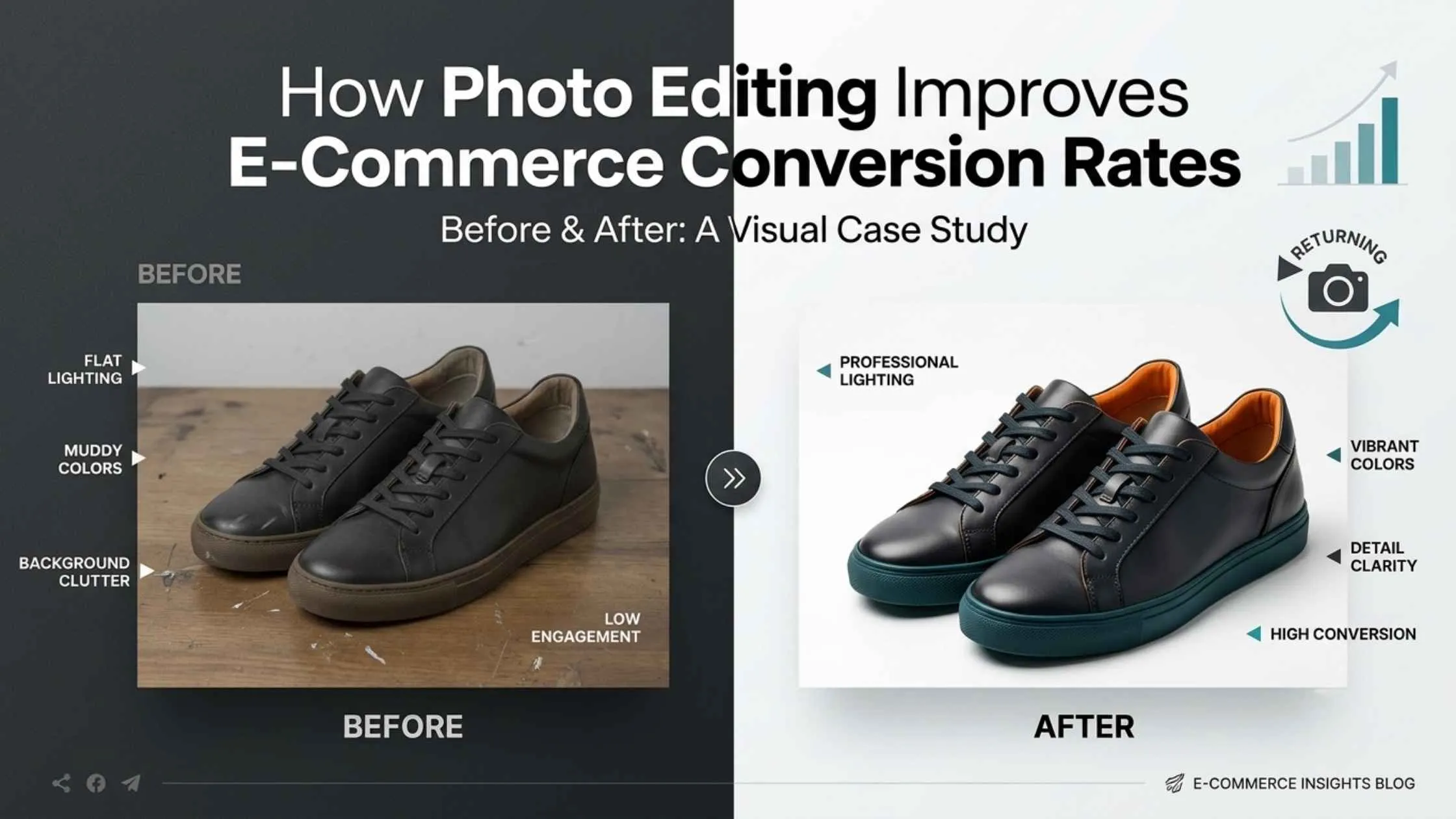
Shoppers form their opinion of a listing in seconds, usually before they read a word of the description. If a photo has harsh lighting, a messy background, or uneven colors, it feels careless. People then assume the product is low quality too, even when it’s actually great. Professional editing fixes that first impression with clean backgrounds, balanced lighting, and colors that match the real product.
Accurate Color Directly Affects Returns
Color accuracy may be the clearest link between photo editing and real business results. When a product’s photographed color doesn’t match what arrives, that mismatch is one of the most common drivers of returns and negative reviews in e-commerce. Careful color correction, calibrated to how the product actually looks in person, closes that gap and reduces returns driven purely by a photo-to-product mismatch, not by an actual product problem.Consistency Builds Trust Across a Whole Catalog
A single great photo helps one listing. Consistent editing across an entire catalog, matching backgrounds, lighting style, and framing, builds a different kind of trust: it signals that a business is organized, professional, and reliable at scale. Shoppers browsing multiple products from the same store notice when quality and style are inconsistent, and that inconsistency erodes the confidence a single good photo built.
Detail and Sharpness Reduce Buying Friction
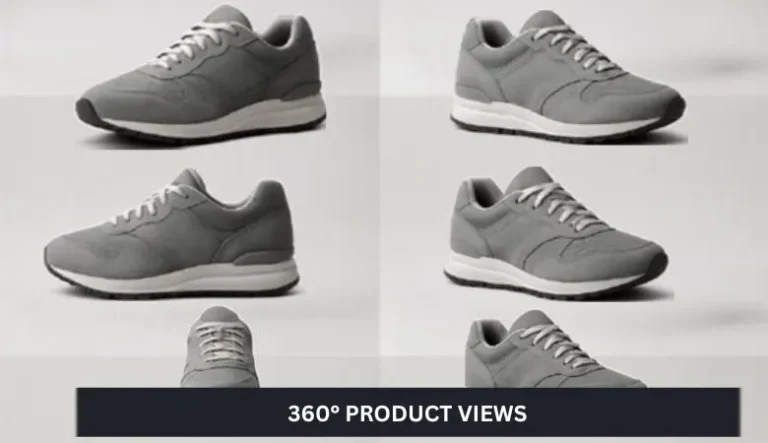
Shoppers zoom in. They look for texture, stitching, material quality, exactly the kind of fine detail that raw, unedited photos often fail to show clearly due to lighting or resolution issues. Editing that brings out genuine product detail (not fabricated detail) reduces the friction of a shopper trying to evaluate quality from a photo alone, which shortens the path from browsing to buying.