Key Takeaways
- Raw, unretouched product images often misrepresent color, lighting, or detail in ways that directly affect conversion.
- Retouching gives a consistent catalogue, which speaks to professionalism and builds trust with buyers before a customer has read a single product description
- Outsourcing retouching frees up your in-house team to focus on marketing, launches, and customer service instead of spending hours manually cleaning up photos.
- Skipping retouching means not only fewer conversions, but also higher return rates from photos that don’t accurately represent the product.
A great product can still get overlooked because of a poor photo. Dull colors, harsh shadows, or a messy background are often enough to make shoppers keep scrolling, no matter how good the item really is. That gap between product quality and photo quality is exactly what’s driving more e-commerce stores toward professional photo retouching.
What Actually Goes Wrong With Unretouched Photos
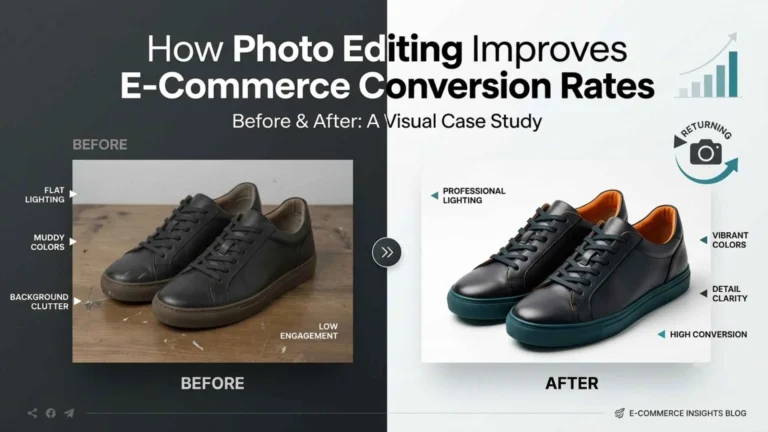
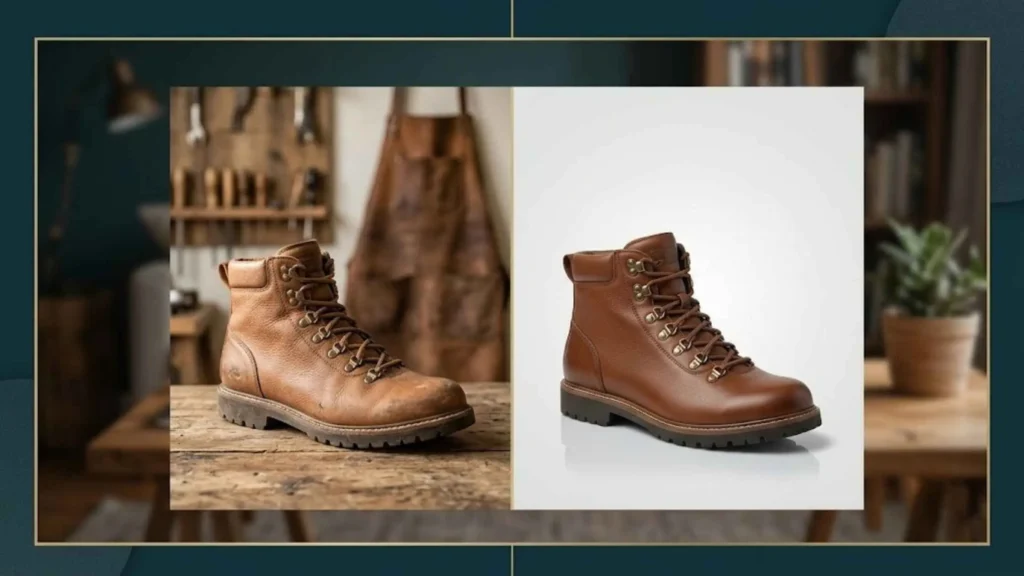
Raw product photos rarely look as good as they should straight out of the camera. Lighting can wash out detail or create harsh, unflattering shadows. Depending on the camera and lighting setup, color variations also appear. So the color that looks navy in the picture might actually be black or purple in real life. Backgrounds often carry clutter or inconsistency that pulls attention away from the product itself. None of these are usually intentional flaws; they’re just the normal gap between a raw camera capture and a polished, sales-ready image.
Why This Directly Affects Sales
Customers notice these details, even when they can’t articulate exactly what’s off about a photo. A clean, organized physical store, like a well-retouched, consistent product catalog, conveys reliability and professionalism. Product photo editing brings uniform quality across every product image regardless of how it was originally shot, which matters because inconsistency across a catalog undermines trust even when individual photos are technically fine.
For a competitive e-commerce store today, this isn’t optional polish; it’s closer to a baseline expectation. Refined images, faster turnaround from raw shot to published listing, and an overall consistent, professional look are increasingly dividing stores that convert well from ones that don’t.
The Volume Problem Retouching Solves
Editing hundreds of product photos, fixing colors, removing flaws, and matching lighting, while running a business, takes a lot of time. When you outsource it, every image gets the same careful touch, and your team can stay focused on marketing, product launches, and customer service, which need the most attention as your store grows.