Key Takeaways
- Product images are the storefront: shoppers judge the product and the brand on the photo.
- Consistent, high-quality editing builds a recognisable brand identity across a catalogue.
- Edited images are the core asset in almost every marketing channel.
- In a crowded market, better images are often the deciding edge over a competitor.
Images Build Your Brand Identity
Consumers buy products that attract them, and consistent, polished images are what make a brand look trustworthy and established. Ecommerce image editing, retouching, colour correction, and clean backgrounds turn raw shots into a coherent visual identity. Think how a perfume brand uses lighting and styling to say luxury: the editing communicates the positioning before a single word is read.
Images Power Your Marketing
Visuals are the core of nearly every channel: listings, social posts, ads, email, and landing pages all lead with images. Well-edited photos show a product’s benefits, a before-and-after, and a product in use more persuasively than copy. Weak images undercut even a strong strategy, because they are the first thing the audience actually sees. The same applies to promotional merchandise, where product visuals decide whether an item looks premium.
Images Win the Competitive Edge
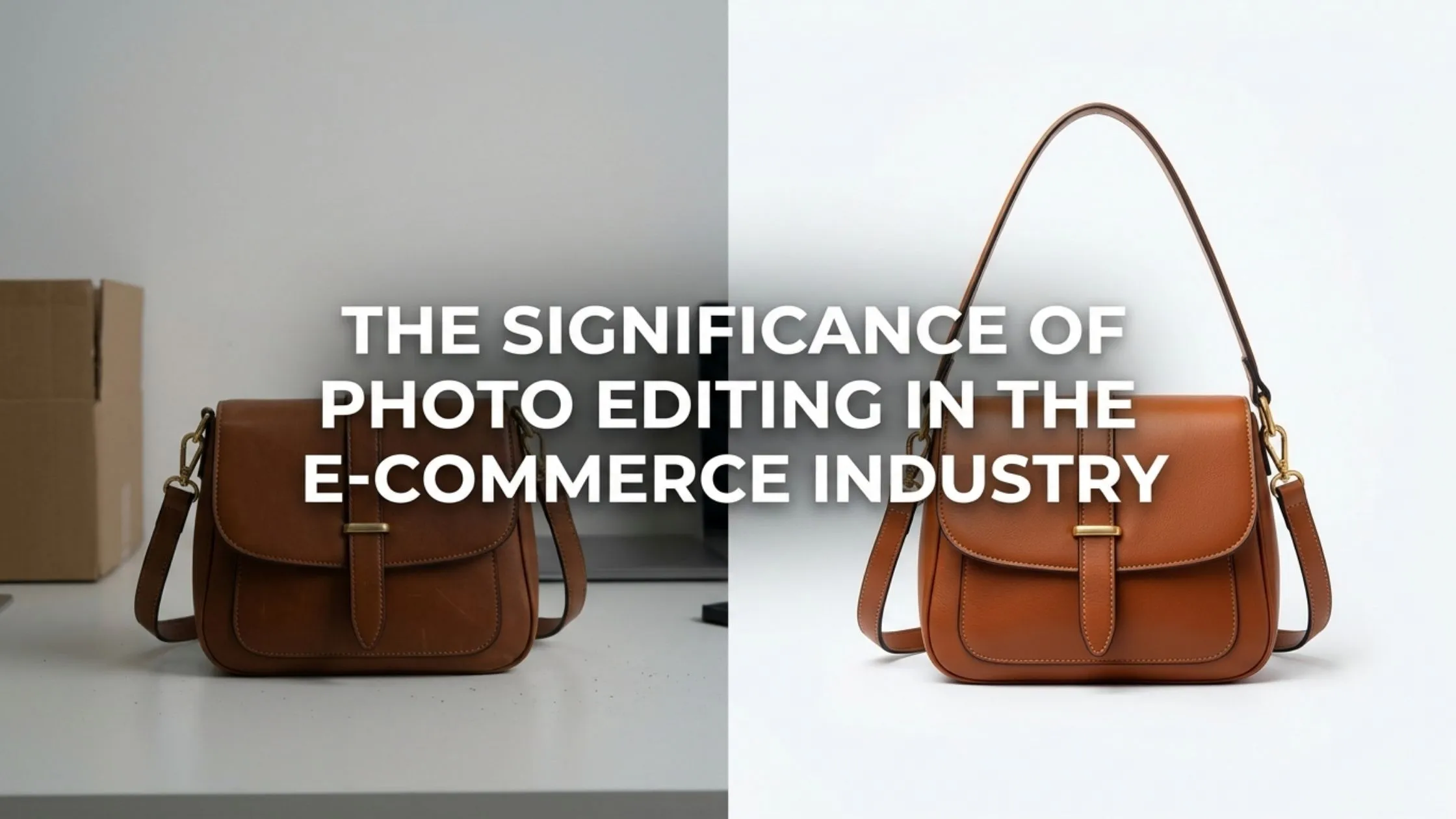
Product images are the first step toward a sale, and in a crowded category they are often the deciding factor. Good lighting, true colours, and a clean background can make your piece look better than the same item in a competitor’s badly shot photo. When shoppers compare options side by side, the better presented one usually wins the click. That is why ecommerce product photo editing deserves a real budget.
Editing Cuts Returns
Beyond winning sales, accurate ecommerce retouching keeps them. A large share of returns come from images that misrepresent the product, usually the wrong colour. Editing that shows products truthfully means customers get what they expected and return less, protecting revenue and reviews. Accuracy, not just polish, is part of why editing matters.Consistency at Scale
A professional store looks like one store: same background, lighting, crop, and colour across every product. Holding that consistency across a growing catalogue is a discipline, and it is exactly where product photo editing (in-house or outsourced) earns its keep. A consistent catalogue reads as reliable; a patchy one quietly chips at confidence.Where to Start
If your images are not where they should be, start with an honest audit: look at your listings the way a shopper would and note where products look inconsistent, poorly lit, or off colour. Set simple standards: one background approach, consistent crop and sizing, accurate colour, and apply them across the catalogue. Next, decide whether to edit in-house or hire help. If you only have a few products, doing it yourself is fine. If your catalogue is growing, an outside team offering ecommerce photo editing services can keep every photo at the same standard. Start with your best sellers and your most-visited pages, since those photos get seen the most and bring the quickest results. Then work through the rest in order of importance instead of trying to fix everything at once.