Key Takeaways

  • Wedding editing is a genuinely comprehensive task: tint, temperature, white balance, shadows, exposure, contrast, skin retouching, cropping, and more, across every image in a gallery.
  • A dedicated editing partner brings specialized skill and speed that’s hard to match while also running a photography business.
  • Turnaround time matters directly to client satisfaction, and editing in-house often means turnaround suffers during busy wedding seasons.
  • Outsourcing isn’t just about saving time; it’s about maintaining consistent quality across every gallery, not just the ones with room to spare in your schedule.
A wedding photographer’s actual job doesn’t end when the ceremony does. What follows is hundreds, sometimes thousands, of images that need editing before a single one reaches the couple. That workload is exactly why so many photographers move editing off their own plate rather than trying to handle it alongside everything else running their business.

The Real Scope of Wedding Photo Editing

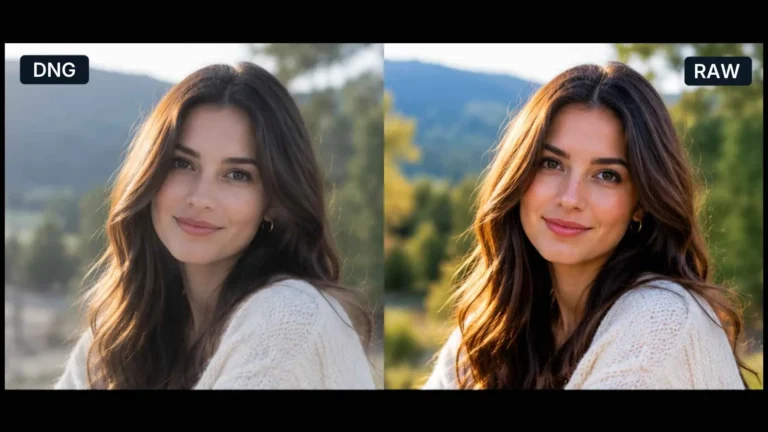
Wedding editing isn’t a quick pass over a handful of hero shots. A single wedding can produce a thousand or more images that demand individual attention: tint and temperature correction, white balance across drastically different lighting (outdoor ceremony, dim reception), shadow and exposure adjustment, skin retouching, cropping, and aspect ratio decisions for every single photo that makes the final cut. Multiply that by every wedding on your calendar, and the time commitment becomes a real constraint on how many clients you can actually serve well.

Why Specialized Editors Deliver Different Results

A dedicated wedding editing team brings speed and consistency that’s difficult to match when editing is squeezed between shooting, client calls, and running a business. Experienced editors have seen enough weddings to move efficiently through common challenges (mixed lighting, group shot consistency, skin tone accuracy across a diverse guest list) without the learning curve a photographer juggling multiple roles has to work through each time.

Turnaround Time Affects Client Experience Directly

Couples can’t wait to see their photos, and a long wait can sour the whole experience, even if the gallery turns out beautiful. If you edit your own work, peak season delays creep in, since you’re trying to finish several weddings in the same limited time. Outsourcing means your editing doesn’t depend on how many weddings you’re shooting, so couples get their galleries on time even in your busiest months.
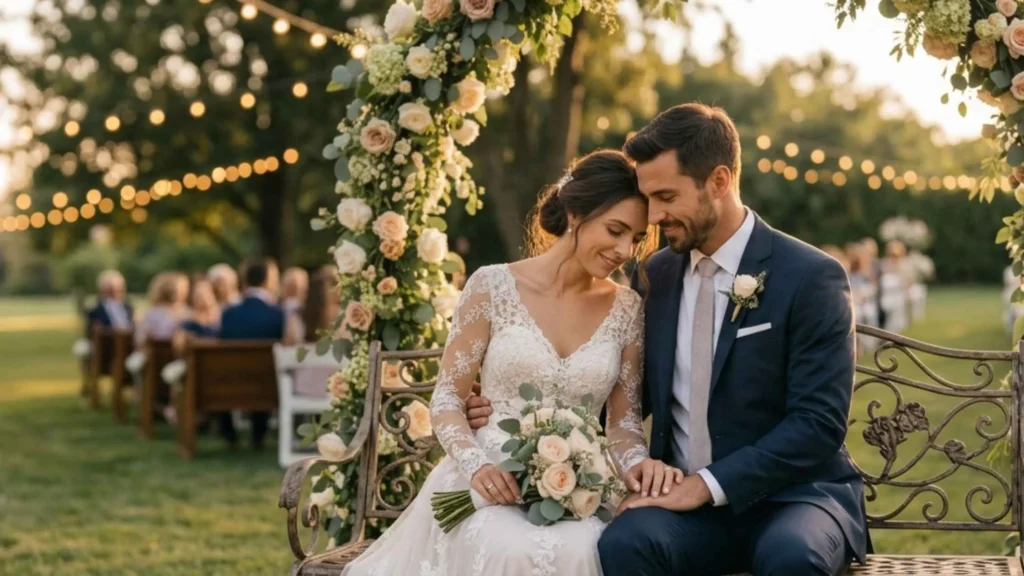
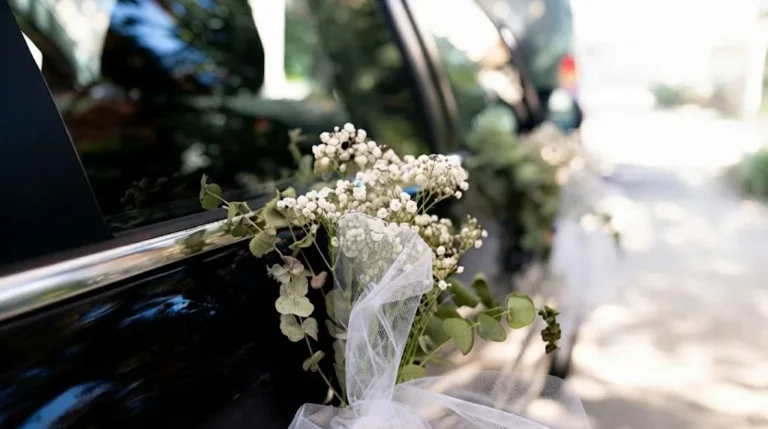
Wedding Photographers Outsource Photo Editing

Consistent Quality for Every Client, Not Just Some

When you edit everything yourself, quality and speed change with how busy your week is. Some galleries get the care they deserve, and others get rushed. A dedicated editing partner uses the same process and standard on every gallery. That protects your reputation and referrals, and ensures each couple gets a good experience.

What to Look for in a Wedding Editing Partner

Ask to see a full wedding gallery, not just a few highlight shots. That’s the only way to tell if their work stays consistent across hundreds of photos. Get the turnaround time in writing, and ask how it changes during peak season. Also make sure they can edit in your style, not apply the same generic look to every photographer.

Frequently Asked Questions

How many images does a typical wedding require editing for?

It varies by wedding size and photographer, but galleries commonly range from several hundred to over a thousand images, each needing individual attention for exposure, color, and often retouching.
No, a good editing partner works from your specific style preferences and reference examples, and most offer revision rounds, especially to ensure the final result matches your actual aesthetic.
It decouples your editing capacity from your own available hours, so turnaround stays consistent even when you’re shooting several weddings in close succession.
The most common problem is uneven turnaround and quality when things get busy. Editing has to share your time with shooting and client work, and in peak season there just aren’t enough hours for all three.
It depends on how much time you have and what matters most to you. Even photographers who shoot only a handful of weddings often find it worthwhile when editing is what keeps their finished galleries.