Key Takeaways
- Weddings are unpredictable. Adaptability matters more than any rigid checklist.
- Preparation (gear, batteries, a plan) is what frees you to focus on the moments.
- Connecting with people produces better, more natural photos than posing them stiffly.
- Editing finishes the story, so plan for consistent post-production after the day.
No tutorial fully prepares you for your first wedding. It is fast, emotional, unrepeatable, and nothing like a controlled studio shoot. The lessons that actually matter are the ones you learn on the day, about preparation, people, light, and timing. These wedding photography tips are those day-one lessons,
so your first wedding feels less like survival and more like the confident work you want it to be.
What the Day Actually Feels Like
A wedding is not a checklist you calmly work through. It is a fast-moving day of changing light, shifting timelines, and high emotion. Knowing that upfront changes how you prepare: you are not there to control the day but to stay ready for it. The photographers who thrive expect the unexpected and adapt, rather than freezing when the schedule slips.Why Preparation Matters Most
Preparation is what lets you be present. Checking gear, charging every battery, formatting cards, and reviewing the plan the night before removes the panic of avoidable problems. When the basics are handled, your attention is free for the moments that matter instead of scrambling for a working battery during the vows.The Morning Teaches You the Most
The preparation hours — getting ready, details, quiet anticipation — are where you find your rhythm and warm up before the pressure peaks. They also produce some of the most intimate, story-rich images of the day. Treat the morning as both a warm-up and a genuine opportunity, not filler before the ceremony.Connect With People and Read the Light
Photos enhance the moment you connect with the people in them; a little warmth and direction relaxes subjects and produces natural expressions instead of stiff poses. And light will challenge you constantly: dim ceremonies, harsh midday sun, mixed reception lighting. Learn to read and adapt to it, placing people in flattering light and having flash ready when it is dark.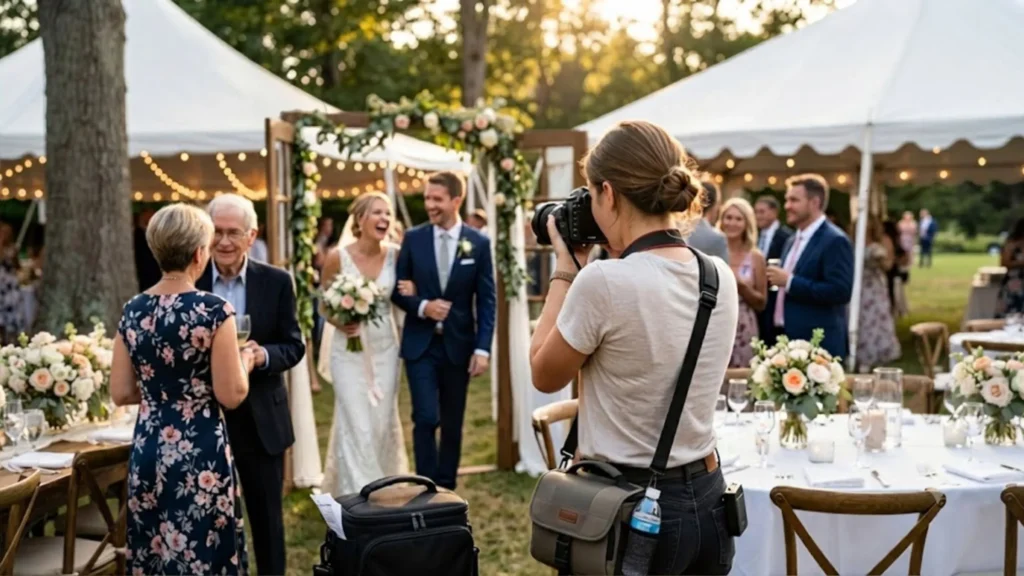
Moments Happen Once, and Directing Couples
The key moments include the first kiss, a tear, a reaction; these happen once and do not repeat. Anticipation is everything: watch, predict, and be ready rather than reacting late. And for portraits, couples need gentle direction, rather than rigid posing. Guiding them into natural interactions produces images that feel real, and builds your confidence as you go.Post-Production Finishes the Story
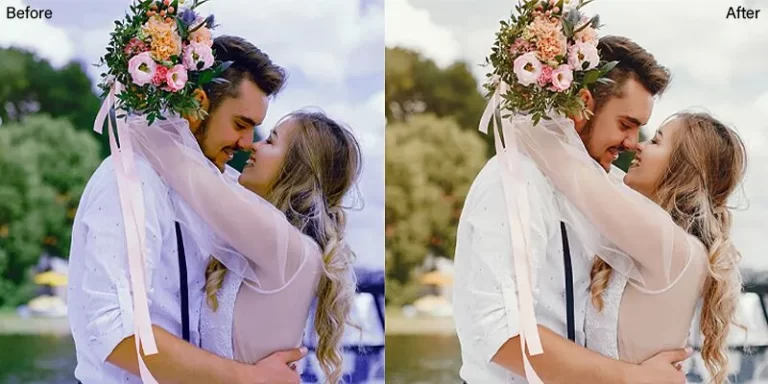
The shoot captures the day; wedding photo editing makes it a cohesive story. Consistent colour correction, exposure balance, and natural retouching across hundreds of images is a big job, and it is where many beginners lose their evenings. Many photographers outsource wedding editing to keep galleries consistent and reclaim their time, so the post-wedding workload does not undo the joy of the shoot.
Building Confidence as a Beginner
Confidence comes from experience, so build it deliberately before shooting a wedding solo. A second shoot with an experienced photographer first is the best way to learn the flow of a wedding day with less pressure. Practise the skills that intimidate beginners, group shots and directing people, at lower-stakes events and portrait sessions. Review your own work honestly. And prepare thoroughly for every booking, since nothing steadies nerves like knowing your gear is ready and your plan is clear. Each wedding makes the next feel more manageable.