Key Takeaways
- Soft lighting usually does wonders for the subject in a portrait compared to hard lighting, no matter whether it is natural or artificial.
- The pose needs to look natural to the subject; a forced pose always looks awkward, no matter how well-composed it is.
- Background choice should support the subject, not compete with it, both in terms of clutter and depth of field.
- Editing finishes a portrait, but it can’t fully rescue a photo with fundamentally poor lighting or an unflattering angle.
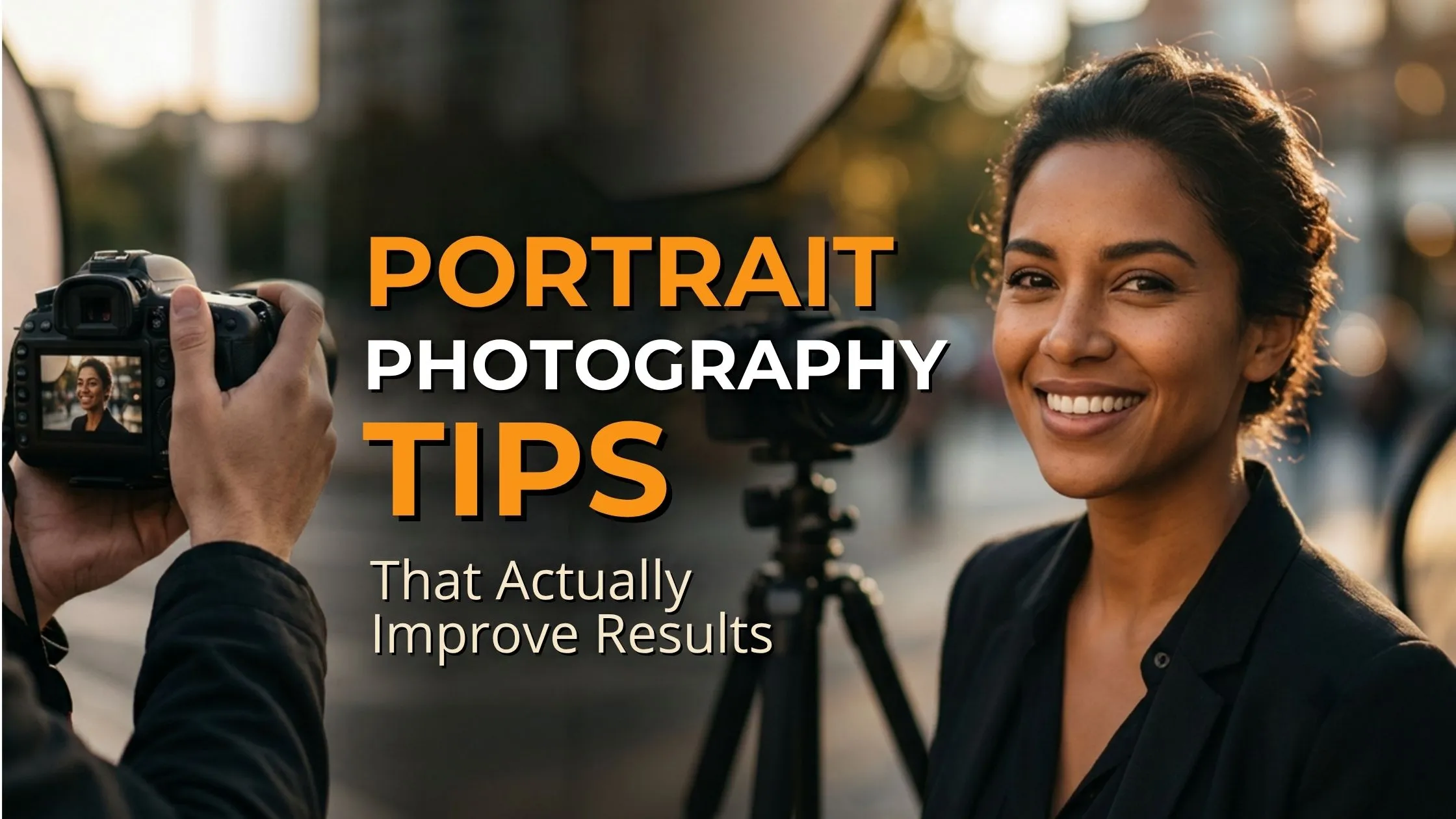
Strong portrait photography comes down to a handful of fundamentals done consistently well: lighting that flatters rather than fights the subject, posing that reads as natural, and a background that supports rather than competes with the person in frame. And here’s what really makes a difference.
Getting Lighting Right
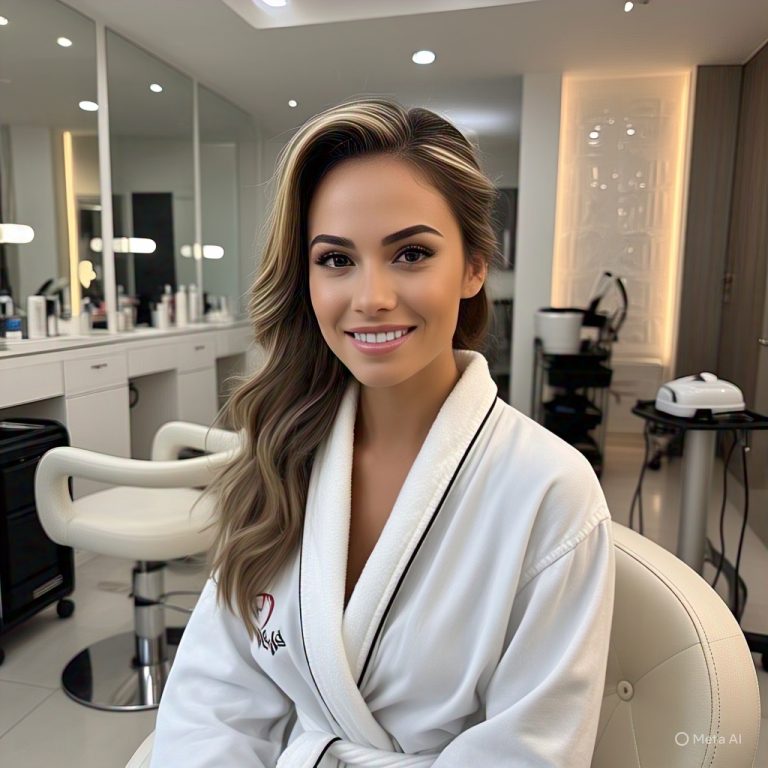
Soft, diffused light, whether from an overcast sky, a north-facing window, or a diffused studio setup, generally flatters portrait subjects far more than harsh, direct light, which creates unflattering shadows and can emphasize texture in ways that don’t suit most portrait goals. Positioning a subject to catch light at a slight angle (rather than flat-on or in complete silhouette) tends to add dimension and depth to the face without harsh shadow.Posing That Reads as Natural
Forced, unfamiliar poses tend to look stiff regardless of how technically correct the composition is. Giving a subject something to actually do (a slight movement, a genuine conversation, a natural gesture) tends to produce more relaxed, authentic results than static, direct posing instructions. Small adjustments, weight shifted to one leg, a slight turn of the shoulders away from the camera, chin angled slightly down, generally read as more flattering and natural than a completely square, frontal pose.Choosing a Background That Supports the Subject
A background with too much visual clutter or competing color pulls attention away from the subject, defeating the purpose of a portrait. A wider aperture (shallower depth of field) can blur a busy background into a soft, non-distracting backdrop while keeping the subject sharp. Simple, uncluttered backgrounds, whether a plain wall, natural greenery, or an intentionally blurred urban setting, generally serve a portrait’s actual goal better than a visually busy one.
Where Editing Picks Up
Editing corrects lighting inconsistencies, adjusts color accuracy, and handles detail-level portrait retouching (temporary blemishes, stray hairs, minor distractions), but it can’t fully rescue a photo with fundamentally poor lighting, an unflattering angle, or a genuinely bad expression. Strong portrait photography starts with getting the fundamentals right in-camera; editing refines and polishes from there, it doesn’t replace the need for solid technique during the actual shoot.
Working With the Subject, Not Just the Camera
Genuine expression and comfort in front of the camera come from how a photographer directs and interacts with a subject, not just technical camera settings. Clear, simple direction, brief breaks to reset, and creating a comfortable atmosphere tend to produce noticeably better, more natural results than a rushed, purely technical approach to the session.Frequently Asked Questions
What kind of lighting works best for portrait photography?
Soft, diffused light generally flatters subjects more than harsh, direct light, whether that comes from an overcast sky, a north-facing window, or a properly diffused studio setup.
How do I make a pose look natural instead of stiff?
Give a subject something to actually do, like a slight movement, natural conversation, or a genuine gesture that tends to produce more relaxed results than direct, static posing instructions alone.
Can editing fix a portrait with poor lighting or an unflattering angle?
Editing can enhance colors and fix some technical issues, but it cannot fix lighting or a bad angle in images in many cases.
Why is selecting a good background in portraiture photography important?
Backgrounds that are not clean and compete with the subject take away focus from the subject and, hence, defeat the purpose of portraiture photography.