Key Takeaways
- Edited listing images grab buyer attention, the first step toward any deal.
- Professional editing sets your listings apart in a crowded market.
- Polished, accurate images build trust with potential buyers.
- Editing kills the need for costly reshoots by fixing existing photos.
It Captures Buyer Attention
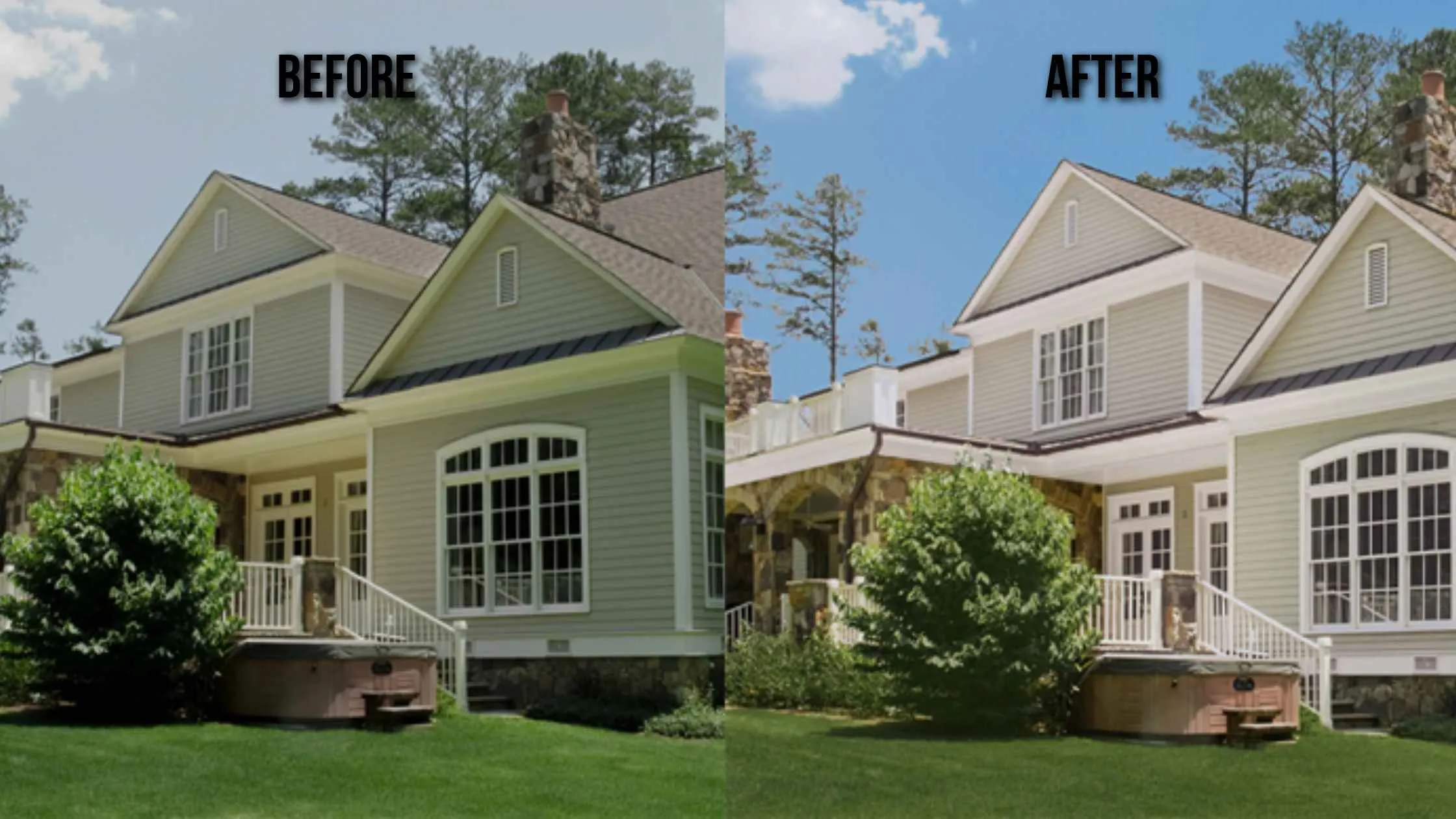
The listing photo is where every deal starts; it is what makes a buyer stop scrolling and look closer. High-quality edited images grab attention and drive initial interest, whereas a flat, dark, or cluttered photo gets passed over. In a feed of listings, the edited one earns the click and the enquiry.A Competitive Edge
Real estate is crowded, and similar properties chase the same buyers. Professional editing sets your listings apart by lifting visual appeal and highlighting a property’s best features. Listings that simply look better than the ones beside them have a real advantage that turns into more views and showings.It Builds Trust
Professional, polished listings signal a professional, credible agent, and that starts the trust that real estate deals depend on. Buyers take a well-presented listing more seriously. The editing has to stay honest, though, since accurate representation builds trust while misleading edits destroy it the moment a buyer visits.It Eliminates Costly Reshoots
Quality property photography costs money, and reshoots double it. Editing removes most reshoot needs. You can enhance real estate photos you already have by correcting lighting and colour, clearing distracting objects, and swapping a dull sky, so a shoot that did not go perfectly still produces excellent images. That saved reshoot cost is a direct, measurable return.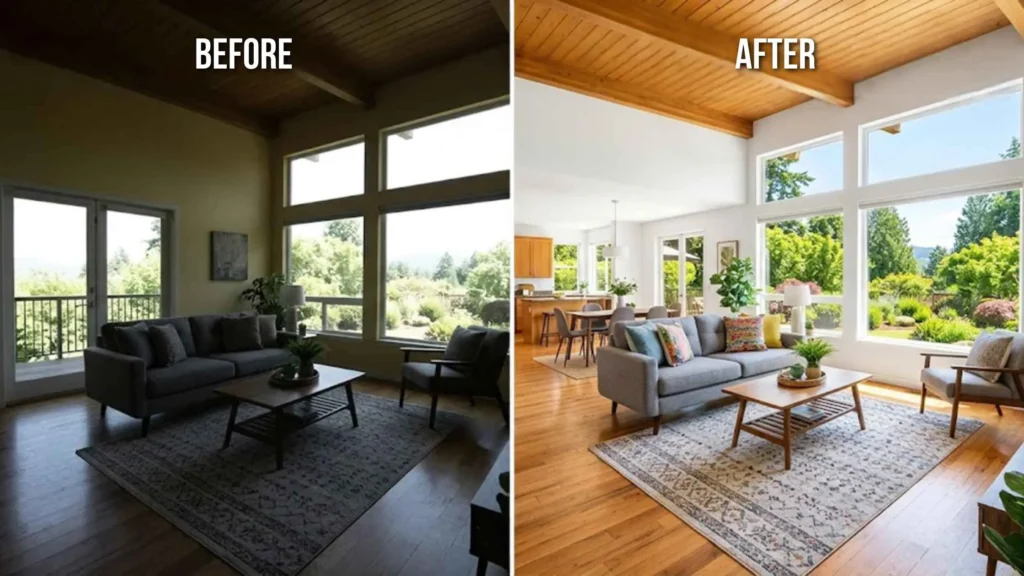
Faster Sales, Less Time on Market
All of these effects point the same way: listings that attract more interest sell faster. Time on market has a real cost: carrying costs, price reductions, agent time, so images that shorten it deliver a return that compounds. Editing that takes a listing from overlooked to compelling can be the difference between days or weeks.It Scales Across a Portfolio
For agents handling many listings, the return multiplies. A consistent real estate editing standard across every property makes an agent’s whole portfolio look cohesive and professional, reinforcing their brand with every listing. Outsourcing that editing keeps it consistent and fast at volume, so growth doesn’t cost quality or the agent’s time.
Which Listings Benefit Most
Real estate photo enhancement doesn’t pay off equally on every listing. Vacant homes gain the most from virtual staging, because empty rooms are hard for buyers to picture. Dark or badly lit interiors benefit most from HDR blending and color correction. Exterior shots taken on gray days look much better with a sky replacement. Higher-priced listings also justify more editing, since selling a bigger property faster brings in more money in absolute terms. Putting your editing budget where it counts, instead of spreading it evenly, gives you the best overall return.