Key Takeaways
- Newborn skin (blotchiness, peeling, minor marks) is genuinely normal and temporary; editing should address it gently rather than aggressively.
- Color accuracy matters enormously here, since these are images families keep and revisit for decades.
- Safety-conscious posing sometimes requires compositing multiple shots (a supporting hand removed digitally), which is a specific, careful skill.
- The goal is a natural, gentle enhancement, not a transformation, since authenticity matters as much as polish for these particular images.
Newborn photography captures the moments that change faster during the first few months. The baby’s face, features, size, and even expressions tend to vary significantly after a couple of months. Therefore, editing a photograph of a newborn differs in approach from the conventional portrait editing process.
Why Newborn Skin Needs Gentle, Specific Treatment
Newborn skin commonly shows temporary blotchiness, mild peeling, or small marks that are completely normal and will resolve within weeks, but that a family understandably wants softened in a keepsake photo. Editing here should smooth and even tone gently, without erasing all texture or making the baby look artificially smooth, since that reads as unnatural rather than polished for this specific subject.Why Color Accuracy Carries Extra Weight
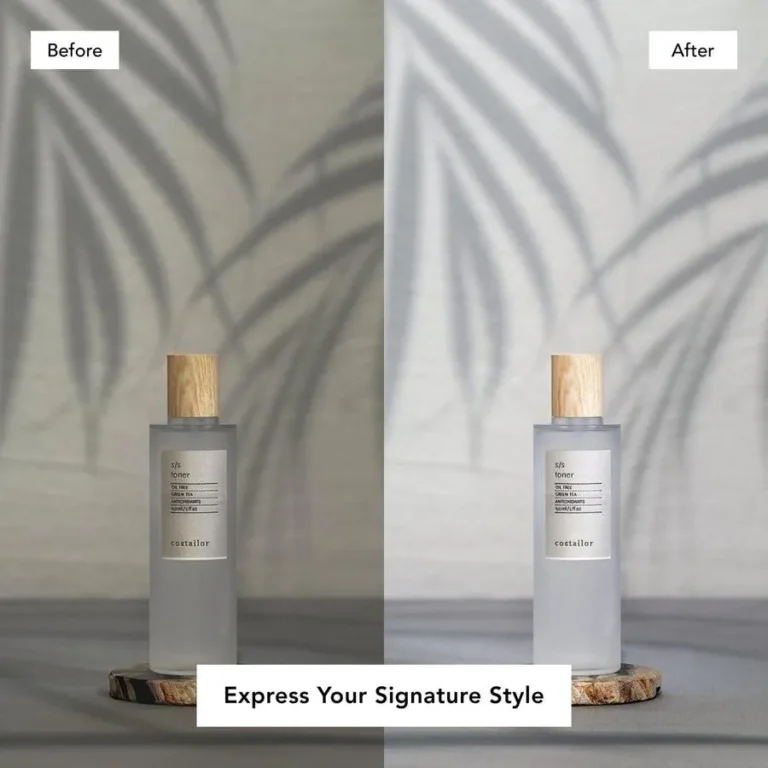
Newborn photos are frequently kept and revisited for decades, in albums, in frames, shared with the child later in life. This raises the stakes on color accuracy specifically: warm or cool color casts that might be acceptable in a casual photo become more noticeable and more permanently bothersome in an image a family will look at for years.Safety-Conscious Posing and Compositing
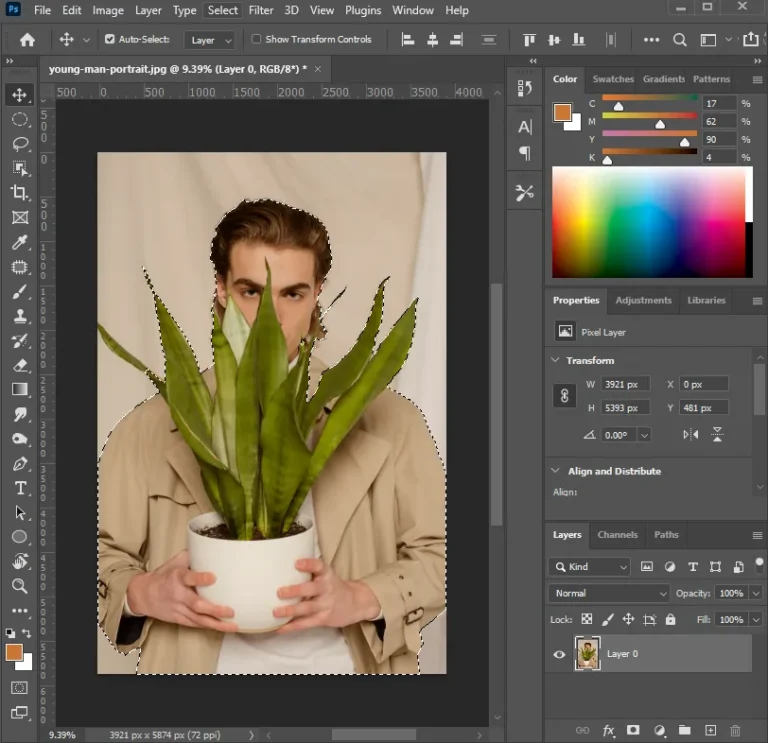
Many popular newborn poses require a parent’s or assistant’s hand that supports the baby just out of frame, for safety, not for the final image. Skilled editing sometimes involves compositing, removing a visible supporting hand from one frame using detail from another shot of the exact same pose, a careful, detail-specific skill that preserves the pose’s aesthetic while keeping the actual photoshoot safe.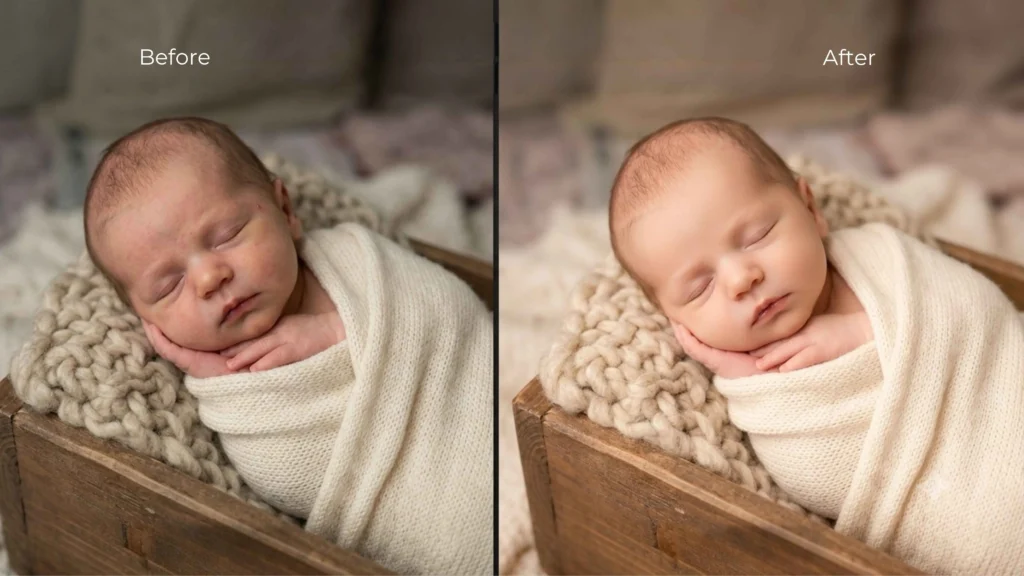
Removing Distractions Without Losing Genuine Detail
Common newborn photo distractions, such as wrinkled fabric, stray equipment in frame, and minor skin marks, are carefully cleaned up, while genuine details that make the image feel real (fine baby hair, natural skin texture, authentic tiny features) are preserved. The goal is a photo that looks like the best possible version of that exact moment, not a different moment entirely.Why Restraint Matters More Here Than in Most Categories
Newborn photos sit in the same category as other lasting, family-defining images: the goal is an authentic, gentle record rather than heavy stylization. Over-editing (skin smoothed past recognition, features altered) undermines exactly what makes these photos meaningful over time: an accurate record of what that specific tiny moment actually looked like.Frequently Asked Questions
Is it normal for newborn skin to need editing in photos?
Yes. It is not uncommon for babies to have blotchy, flaky, or marked skin that is perfectly healthy at this age, and through careful editing, these features can be improved while still retaining realism within the photograph.
Why is color accuracy so important in newborn photographs?
This is because these pictures will usually be stored and appreciated for many decades, and thus having an inaccurate color tone will be all the more glaring and problematic in such cases.
What is compositing used for in newborn photography editing?
It’s sometimes used to remove a supporting hand or safety equipment used during a pose (kept just out of frame for the baby’s safety) by combining detail from multiple shots of the same pose.
How much retouching is appropriate for a newborn photo?
Just enough skin retouching to gently fix these issues, without changing the actual appearance or removing all the realistic texture of a baby.