Key Takeaways
- Get the light right first. It is the foundation every other improvement builds on.
- Accurate color sets the mood and keeps the listing honest.
- Sky replacement and HDR blending fix the two hardest real estate lighting problems.
- Avoid over-editing; natural, accurate images build the trust that leads to inquiries.
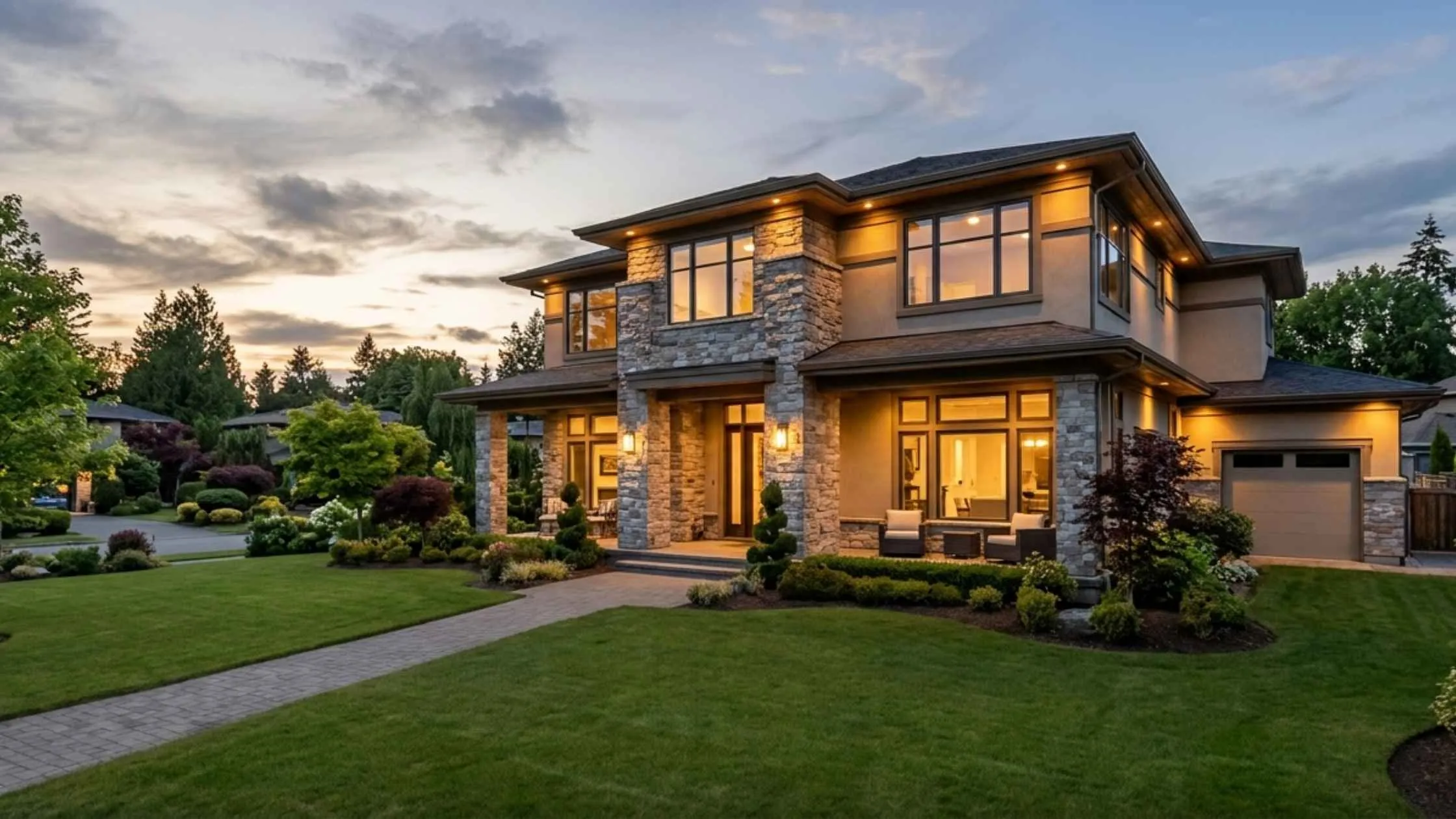
Great listing images do more than document a property; they sell it. Most buyers decide whether to visit from the photos alone, so getting them right is one of the most valuable things an agent or seller can do. Here are the must-know tips for better listing images, from getting the light right in the camera to the editing that turns a good shot into a polished, buyer-attracting one. These steps help you enhance real estate photos without making them look fake.
Why Editing Matters More Than Sellers Realize
Real estate photo editing is where ordinary property shots become polished marketing images. Well-edited listing images attract more clicks, hold attention longer, and generate more inquiries, because in a feed of listings, the presentation decides which properties get noticed. Treat editing as an afterthought, and you leave a lot of buyer interest on the table.
Fix the Light First
Light is the foundation. Shoot at the right time of day, use natural light well, and expose so both the room and the view through windows are visible. Getting light right in camera and correcting it in editing matters more than anything else, because no amount of other editing rescues a badly lit image.Color Accuracy Sets the Mood
Color decides the whole feel of a listing. Correction keeps wall paint, flooring, and natural light reading accurately rather than skewing warm or cool under mixed indoor lighting. Accurate color makes rooms feel inviting and true to life and keeps the listing honest, so buyers are not surprised when they visit.Sky Replacement for Exteriors
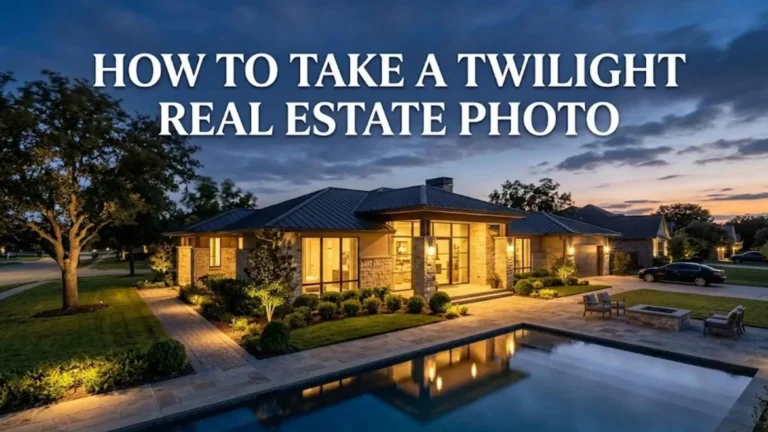
A dull, grey, or blown-out sky drains an exterior’s appeal. Sky replacement swaps it for a clean, bright sky, matched realistically to the lighting, and lifts the image at once. Done well, it looks natural, not fake, and it can rescue exterior photos taken on an overcast day when reshooting is not practical.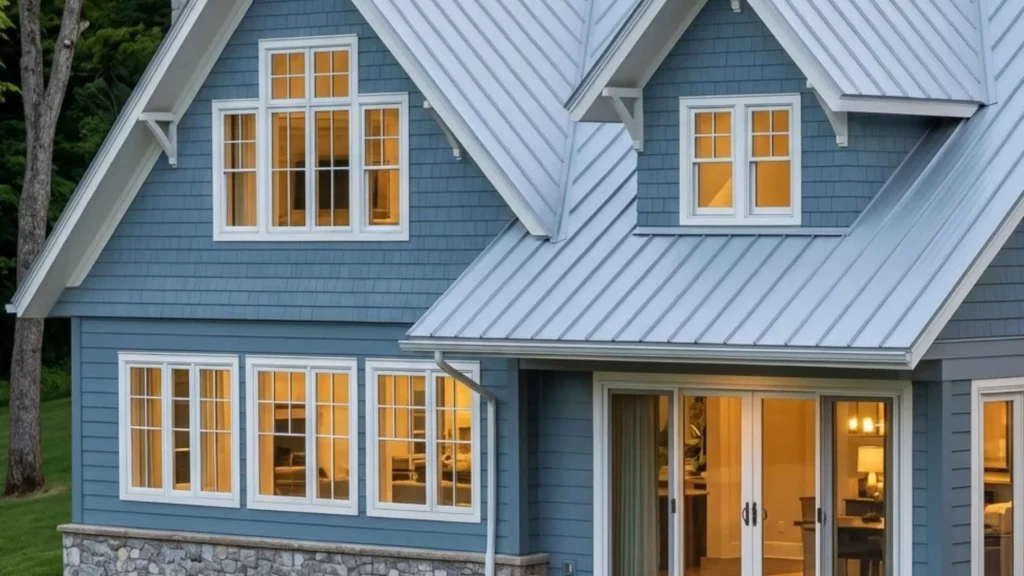
HDR Blending for Interiors
Interior shots often pair a bright window with a darker room, which a single exposure cannot hold. HDR blending merges several exposures into one balanced image, so both the room and the view outside are properly exposed. It is the technique behind the evenly lit, professional interior look buyers expect. Real estate HDR photo editing works best when you bracket exposures on site.Avoid Over-Editing
The biggest mistake is overdoing it: oversaturated colors, unrealistic skies, and HDR pushed until rooms look artificial. Over-edited images misrepresent the property and erode trust the moment a buyer visits. Natural, accurate edits build trust, and trust leads to inquiries. Restraint is a real estate editing skill, and it is what the best real estate photo editing is built on.
Equipment and Framing Basics
Good editing starts with a good capture, and a few basics make a big difference. Use a wide-angle lens to show rooms fully, but not so wide that spaces look distorted. Shoot on a tripod for sharp, straight images, especially in low interior light. Keep verticals straight and walls and door frames upright so rooms look true rather than leaning. Shoot at a consistent height (around chest level) for a natural perspective, and bracket exposures for interiors so you have the range to blend later. These habits cut editing time and give the editor clean material.Why Professionals Still Matter
Automated tools and phone apps can do basic edits, but real estate photo enhancement rewards precision, perspective correction, believable sky replacement, clean HDR, and restrained color that a trained editor delivers reliably. For agents marketing properties, professional editing (or a good partner) is what consistently turns listing photos into images that attract premium buyers.Frequently Asked Questions
What is the most important real estate tip?
Get the light right, in camera and in editing. Lighting is the foundation every other improvement builds on. No amount of editing rescues a badly lit image.
Can mobile photos be edited for listings?
Yes. A well-shot phone photo can be professionally edited, color corrected, brightened, straightened, and cleaned up to listing quality, though a proper camera gives more latitude for HDR and detail.
Why are bright listing images more effective?
Bright and well-illuminated images seem appealing to the viewer, allowing them to appreciate the property fully. Dark or flat images get scrolled past, even for great properties.
What is sky replacement?
Swapping a dull, grey, or blown-out sky for a clean, bright one, matched to the lighting, to lift an exterior shot. Done well, it looks natural and can rescue photos taken on overcast days.
What is HDR blending, and why use it?
It merges several exposures of the same room into one balanced image, so a bright window and darker interior are both properly exposed, creating the evenly lit, professional interior look buyers expect.
Can you over-edit real estate photos?
Yes, and it backfires. Oversaturated color, fake-looking skies, and heavy HDR misrepresent the property and erode trust when buyers visit. Natural, accurate edits build the trust that leads to inquiries.
What camera setup suits real estate?
A wide-angle lens (without going so wide it distorts), a tripod for sharp, straight shots in low light, and bracketed exposures for interiors so you can HDR blend later. Keeping verticals straight and a consistent height helps too.
Should real estate photos be edited by professionals?
For consistent, precise results, perspective correction, believable sky replacement, clean HDR, restrained color, and professional editing, a professional or a good partner is more reliable than automated tools, especially across many listings.