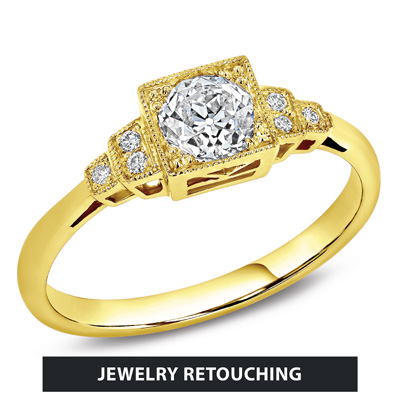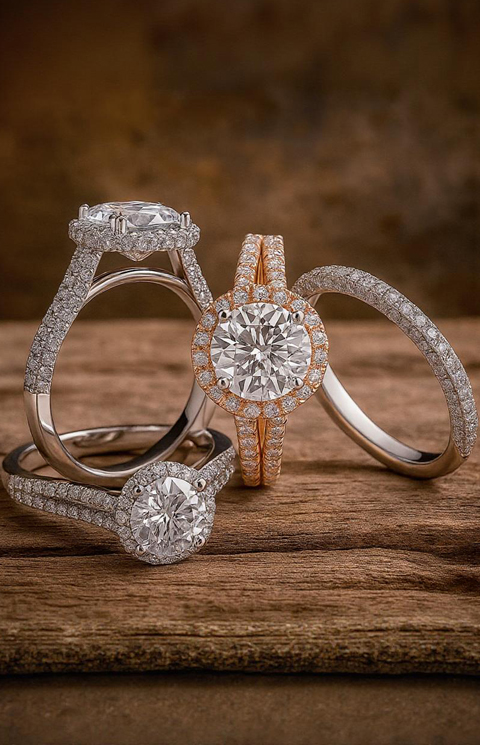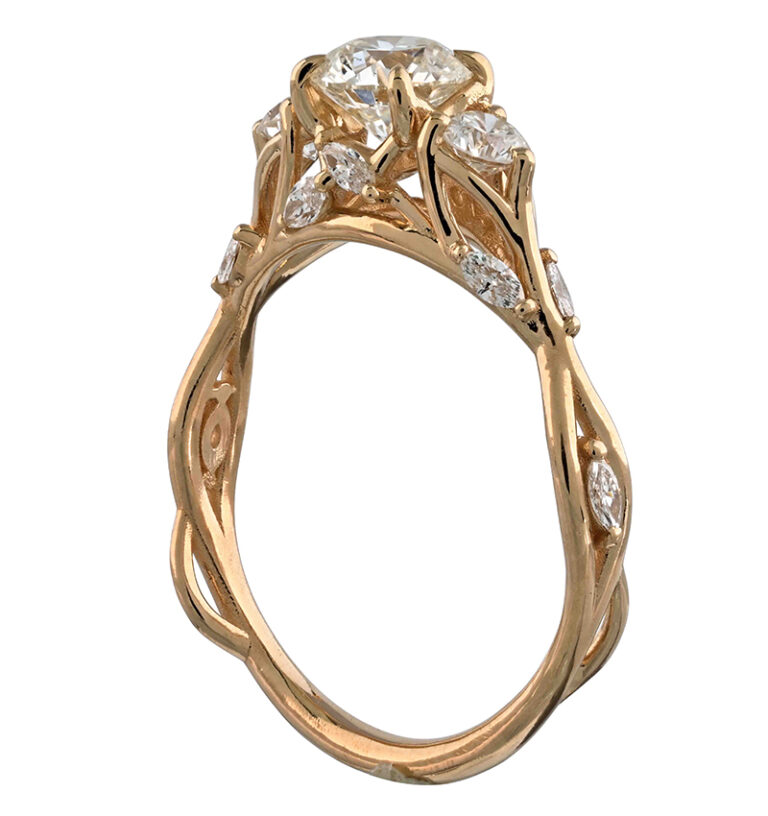
A single photograph can decide whether a shopper clicks “add to cart” or keeps scrolling. For jewelry brands, that image must do more than show a product; it needs to convey craftsmanship, material quality, and the emotional value of wearing the piece. Jewelry Photo Retouching is the finishing touch that turns a technically good photo into a persuasive sales asset.
This guide breaks down why professional retouching matters, the common techniques used, especially for a specialist like Plexail, and can free your team to focus on design, inventory, and growth.
Why Jewelry Photo Retouching matters beyond shine
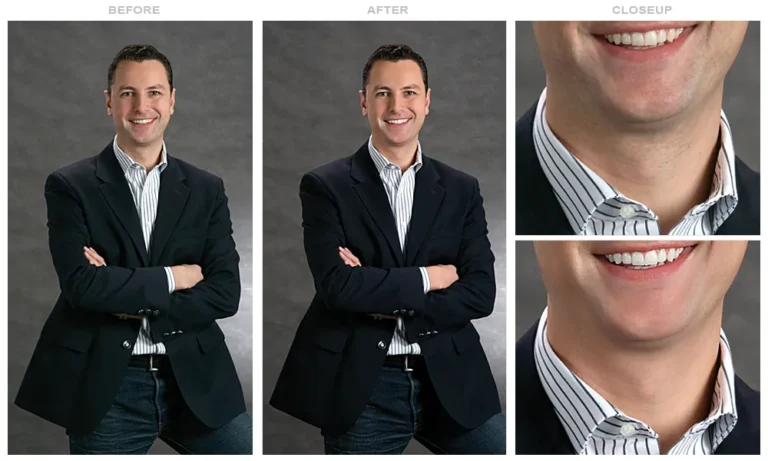
Customers can’t touch a product online, so images must be trustworthy and flattering at once. Poorly edited photos show dust, fingerprints, color casts, or inconsistent lighting; all of which lower perceived value and increase returns. Expert retouching solves these problems while preserving realism. Clean and consistent images build trust, justify price points, and make the product catalogs feel professional, three benefits directly tied to higher conversion rates.
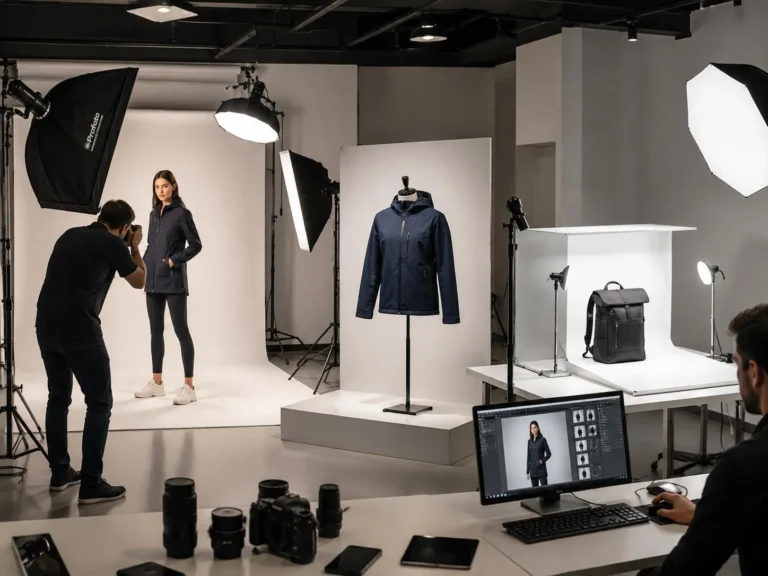
When you need the essential equipment for jewelry photo retouching
When someone scrolls through rings, necklaces, or earrings, they are not studying your craftsmanship in a showroom. They are making a quick judgment from a screen. If the image looks dull, uneven, or cluttered, the product feels less valuable.
If it looks crisp, balanced, and polished, the piece suddenly feels worth a closer look. That is why Jewelry Photo Retouching is not just a design step after the shoot. It is part of the selling process itself, shaping how customers read your brand before they ever see the product in person.
There are small corrections that change everything
-
Jewelry photography usually starts with good lighting and a careful setup, but even the best shoot leaves room for refinement.
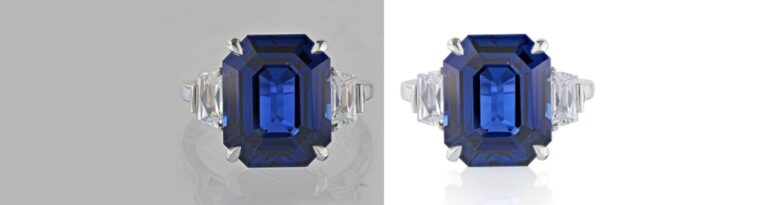
- Dust and scratch removal is one of the first tasks in post-production. Tiny marks are easy to miss during a session, yet they stand out immediately in a close-up image.
- Gemstone enhancement is another important part of the process. The goal is not to make stones look fake or overdone. It is to bring back depth, clarity, and sparkle so the details read clearly on screen.
- For rough-looking reflections, metal polishing works best. It makes gold, silver, or platinum look really clean.
- The other factor is color correction. For instance, a ring that appears yellowish on one screen and cold on the other makes people confused.
So, Good editing keeps the colors steady and right, which helps people trust what they are buying more.
Cleaning the background, keeping the focus
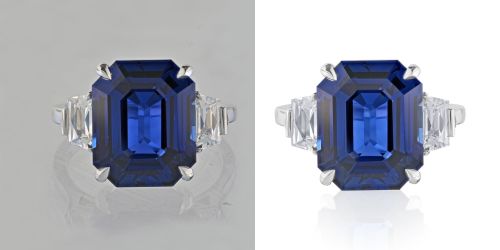
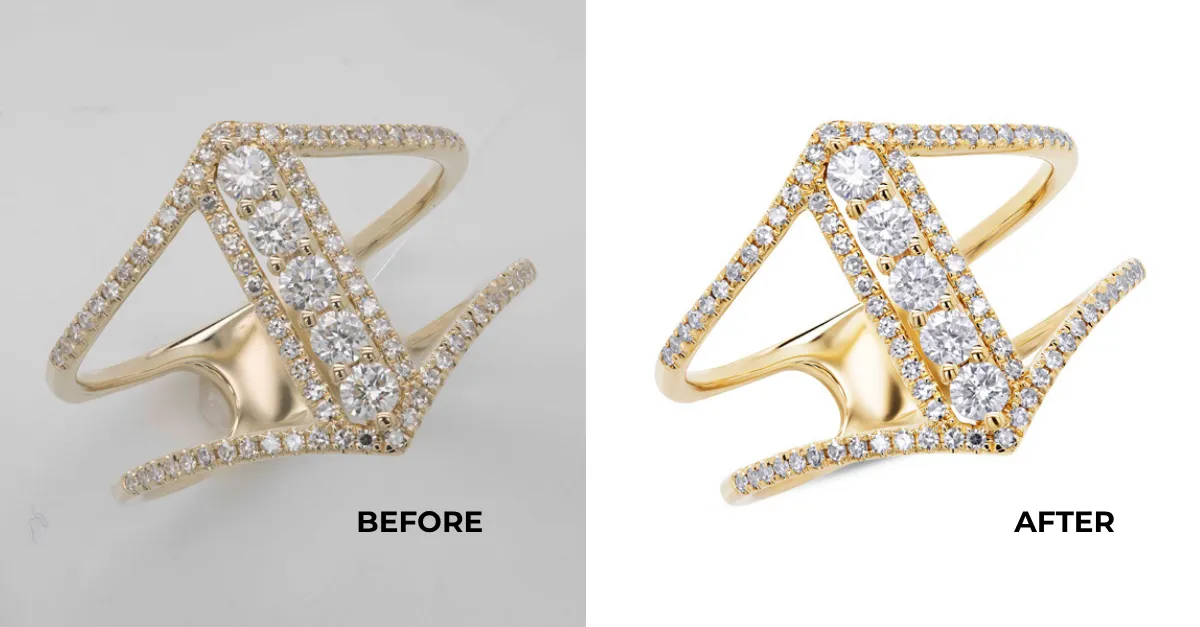
Background cleanup may sound minor, but it has a big effect on how professional the final image feels. A distracting surface, uneven edge, or visible mark can pull attention away from the jewelry. Removing those distractions keeps the product at the center of the frame.
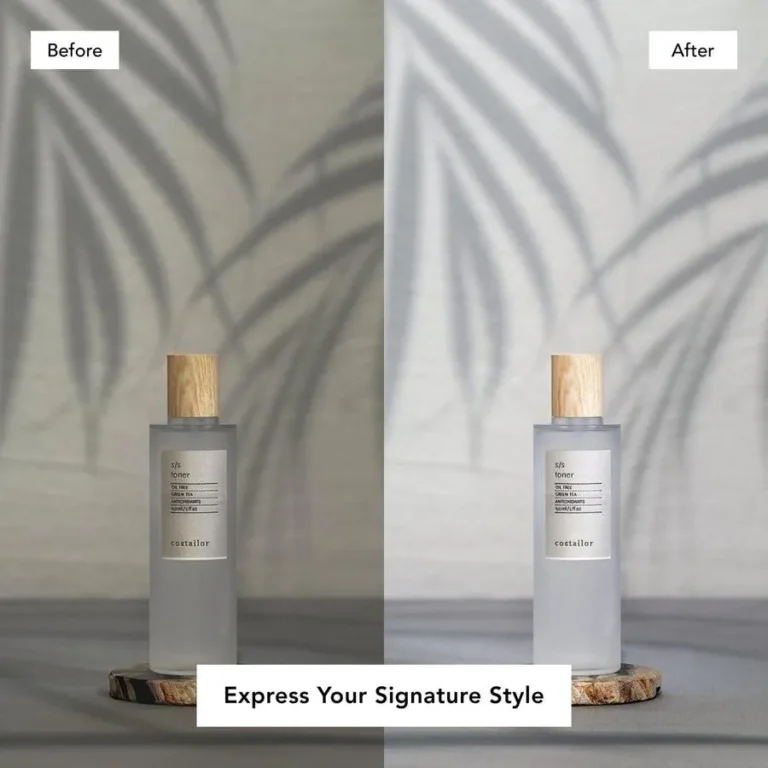
Shadow adjustments are equally useful. Jewelry often looks flat when shadows are too harsh or too soft. Balanced shadows improve an image by adding depth and form, giving it a more natural look and pleasing appearance.
Reflection management ties everything together by reducing unwanted glare and keeping the focus on the details that matter.
Why consistency matters across a catalog
A jewelry store rarely sells one item at a time. It presents collections, sets, and matching pieces that need to feel visually connected. If one photo reads warm, another comes off too bright, and a third is cropped differently, the entire catalog starts to look mismatched.
Therefore, maintaining consistency in the images of products ensures that customers find it easy to navigate through them. It becomes simpler for customers to appreciate your shop because all images have the same lighting, color, and framing. Skillful jewelry photo retouching ties each piece together so the collection looks unified instead of like a random set of shots.
How Plexail Helps Jewelry Brands with E‑commerce Photo Retouching
Plexail partners with brands, studios, and creatives to turn visual ideas into polished imagery that sells. Based in Mumbai, our team of over 100 experienced professionals brings more than ten years of focused expertise across fashion, e‑commerce, weddings, real estate, and beyond.
For jewelry brands, we handle the meticulous retouching work that often slows production. Whether it’s simple color and exposure fixes or advanced post‑production for tight close‑ups, we deliver consistent, market‑ready images. We do more than just fix photos.
We also help with taking pictures, making layouts for catalogs that are printed or online, and creating cool 3D pictures. This means jewelry businesses have everything they need to make their products look great, whether it is on a website or in a paper catalog.
If you want your products to look really sharp, and you want your customers to trust what they are buying, and you want all your catalogs to look nice and neat, then Plexail can help you with that. You can call us at +91 98192 59097 to get started with Plexail.