Key Takeaways
- Different industries need genuinely different editing skills. Portrait retouching, product editing, fashion retouching, and real estate editing each solve different problems.
- Consistency across a full set of images (a catalog, a gallery, a collection) matters as much as quality in any single photo.
- Time and cost efficiency are real, practical reasons businesses outsource this work rather than trying to build it in-house.
- The right editing partner is chosen on portfolio quality, turnaround reliability, and communication, not on price alone.
Portrait and Beauty Retouching
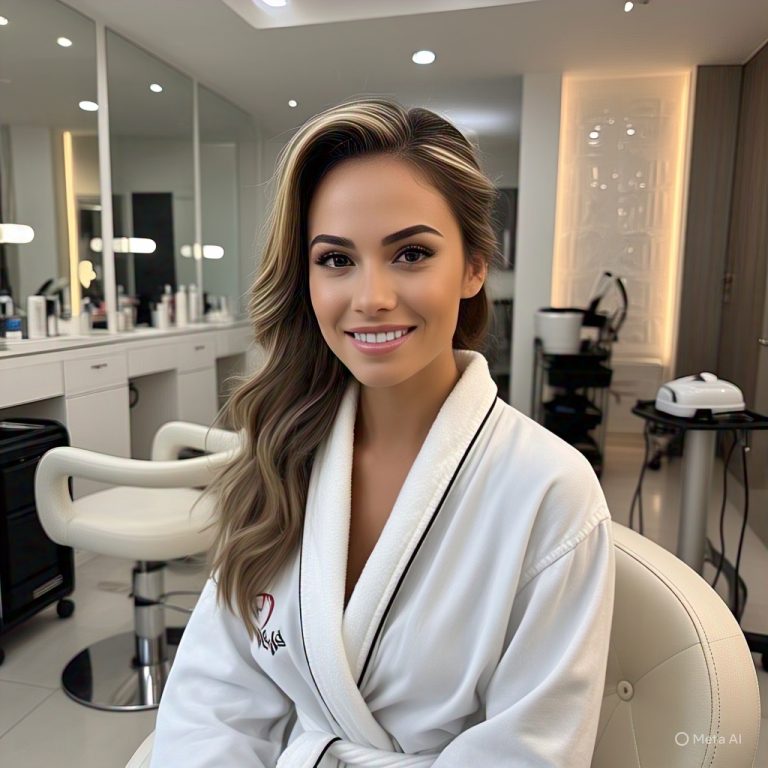
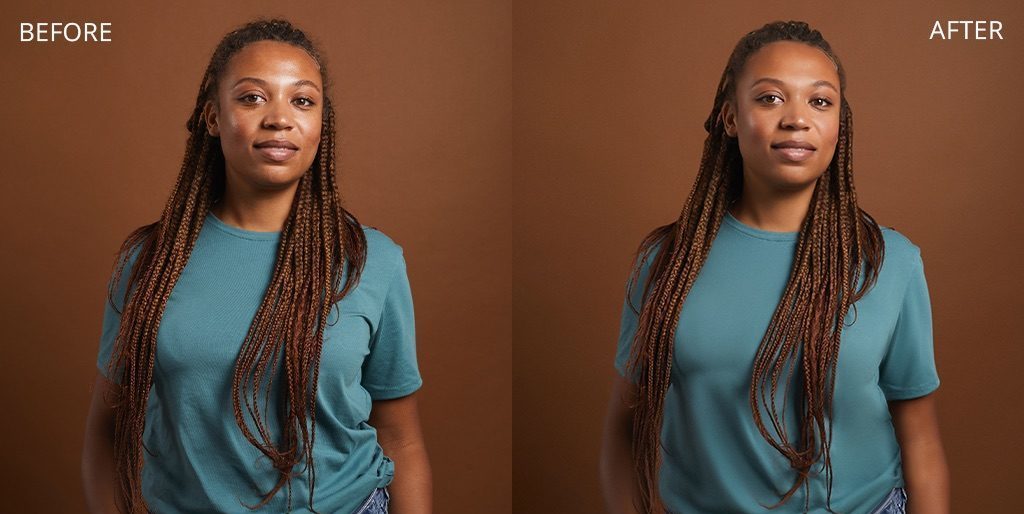
Portrait retouching enhances a subject’s natural appearance: smoothing minor skin imperfections, correcting stray hairs, and balancing skin tone, while keeping the person recognizably themselves. The goal is a polished version of the real photo, not a different face. Overdoing this (heavy smoothing, feature reshaping) is the most common failure mode in this category, and it’s usually the first thing a viewer notices, even if they can’t articulate exactly why a photo looks slightly off.
Product Retouching for E-Commerce
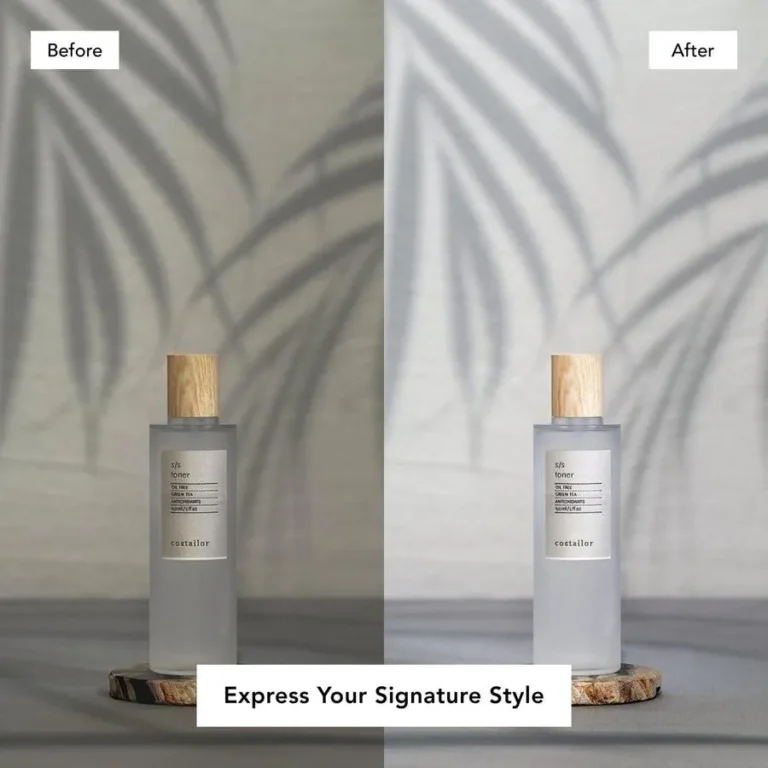
For online sellers, image editing is often the difference between a product that looks trustworthy and one that gets scrolled past. This typically includes color correction (so the item matches its real color when it arrives), background removal or replacement to match platform requirements, and detail enhancement that makes small features actually visible in a thumbnail-sized image. Consistency matters here more than in almost any other category: a catalog where every product looks edited slightly differently reads as unpolished, even if each individual photo is technically fine.
Fashion Retouching
Fashion imagery demands precision because the entire point is showcasing how a garment actually looks and fits. This includes skin and fabric retouching that preserves real texture rather than flattening it, and consistency across a full shoot so a lookbook or campaign reads as one cohesive body of work rather than a set of mismatched images shot under different conditions.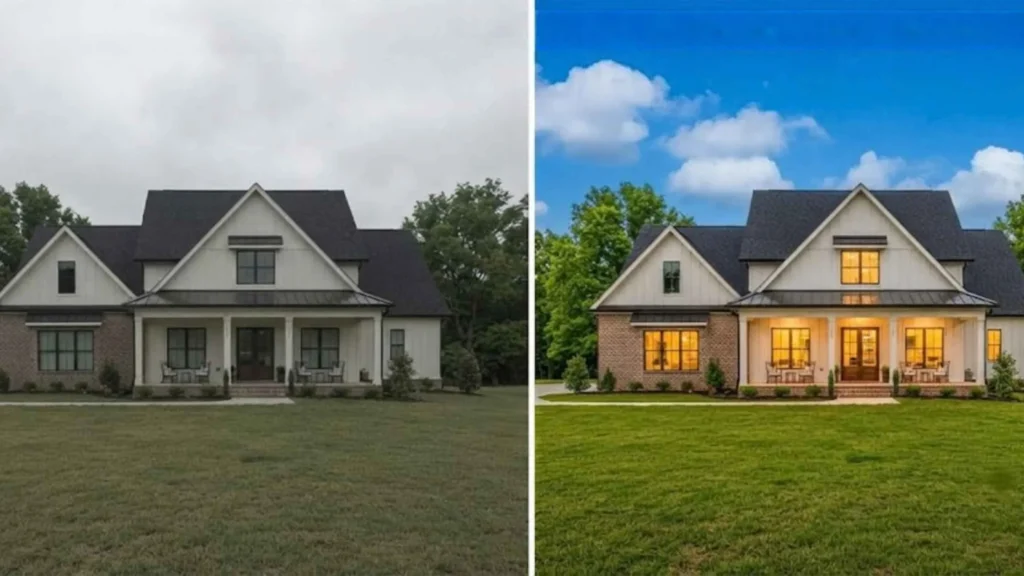
Real Estate Photo Editing
Real estate editing focuses on displaying a property in its most true and ideal form. The blending of HDR allows for multiple exposures so bright windows and darker interiors are both properly lit in the same frame. Virtual staging digitally furnishes vacant properties to help buyers visualize the space. Day-to-dusk conversion transforms a daytime exterior shot into a warm twilight image, a popular technique for making a listing photo stand out in a crowded search results page.
Why Businesses Actually Rely on Image Editing Services
Quality control matters because visuals need to meet a consistent professional standard to be taken seriously, whether that’s a product listing, a portfolio, or a marketing campaign. Consistency across a full set of images matters for branding specifically; a mismatched set undermines trust even when the underlying products or properties are excellent. And time efficiency is a real, practical factor: editing takes genuine hours per image, and outsourcing frees that time for the parts of a business that actually need direct attention.How to Evaluate an Image Editing Partner
Review actual portfolio work, ideally in the specific category relevant to your needs (portrait, product, fashion, or real estate), rather than a generalized sample set. Confirm a realistic turnaround time for your expected volume before committing to an ongoing relationship. Read customer reviews independently rather than just reading those on the provider’s website. And prioritize clear communication, since ongoing editing work depends on a provider that actually listens to specific feedback rather than applying a one-size-fits-all process.Frequently Asked Questions
What's the difference between photo editing and photo retouching?
Editing typically deals with technical aspects such as color correction and cropping, while photo retouching involves details such as removing blemishes or highlighting certain aspects of an image. In reality, almost all commercial photography utilizes both processes simultaneously.
Why does consistency matter more for a full catalog than for a single image?
How much does professional image editing typically cost?
It varies significantly by category and complexity; real estate HDR blending is priced differently than fashion retouching or bulk e-commerce product editing. Get a quote scoped to your specific volume and category.