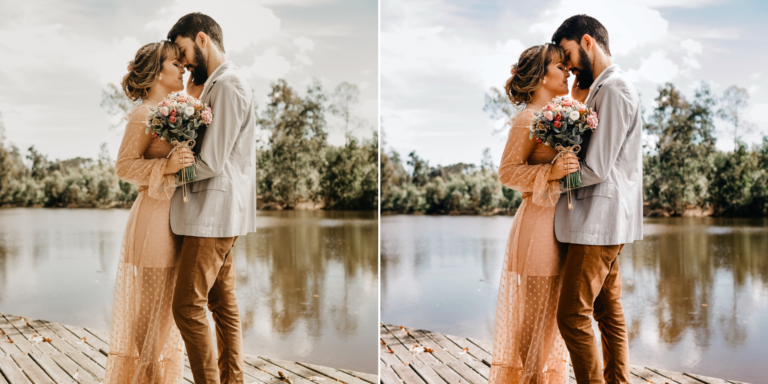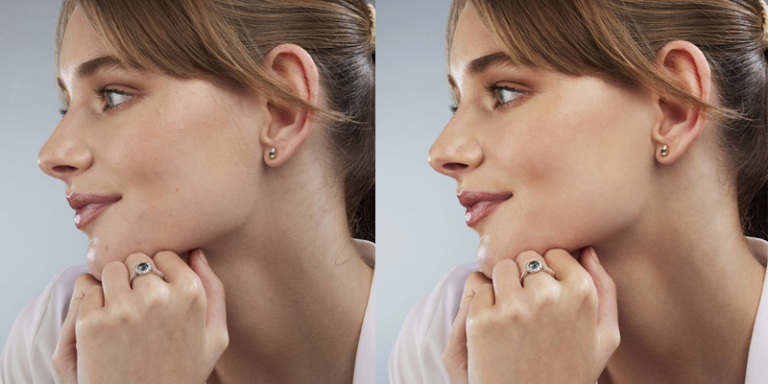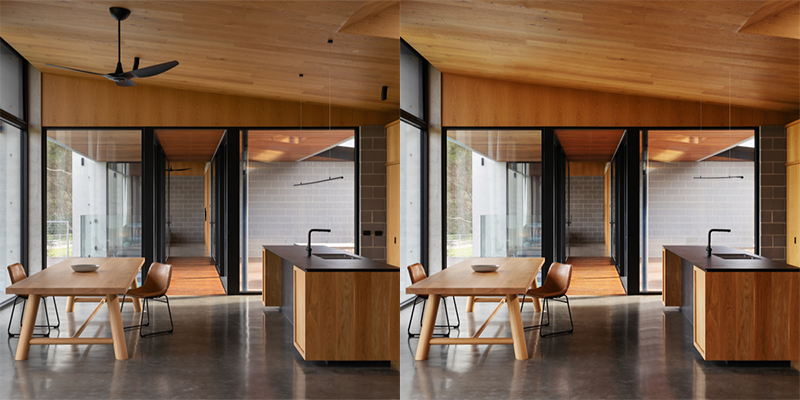
Key Takeaways
- Editing is the broad step (crop, straighten, exposure, contrast). Retouching is the fine detail (blemishes, texture, cleanup).
- The core techniques: spot healing, frequency separation, dodge and burn, and the clone stamp.
- Good retouching enhances while staying believable. Over doing it loses trust and drives returns.
- Retouching runs across use cases: portraits, products, real estate, fashion, and restoration.
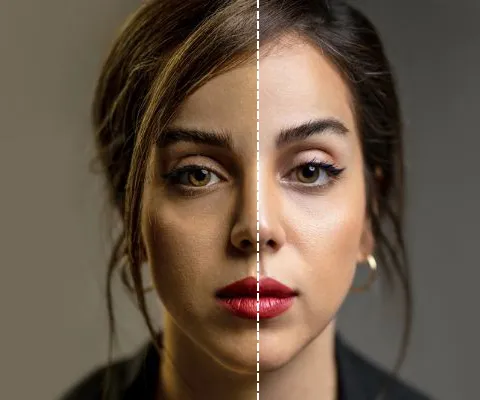
Photo retouching is the process of refining an image, removing flaws and imperfections and enhancing detail, to get it ready for its final use. People often confuse it with photo editing, but they are not the same thing, and knowing the difference helps you ask for the right work. This covers what retouching is, how it differs from editing, the core techniques, and why it matters for everything from product listings to portraits.
Retouching vs Editing
Editing is the broad set of adjustments, cropping, straightening, exposure, contrast, colour, that make an image look correct. Retouching is the finer, detail level work: clearing blemishes, dust, and distractions, refining skin and texture, and applying creative fixes. Editing sets the image up. Retouching perfects it. Most professional workflows do both, in that order.
The Core Techniques
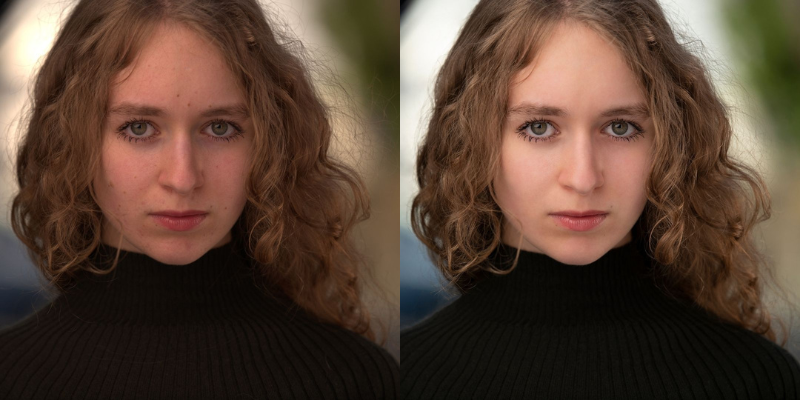
- Spot healing. Removes small, distracting flaws, blemishes, dust, sensor spots, by sampling nearby pixels.
- Frequency separation. Splits texture from tone so you can smooth skin or a surface while keeping natural detail. The professional way to retouch skin without a plastic look.
- Dodge and burn. Selectively lightens and darkens to shape contours, add depth, and guide the eye.
- Clone stamp. Copies one area over another to remove or repair larger elements seamlessly.
- Toning and colour balance. Fine tunes colour for a cohesive, appealing result.
Why It Matters
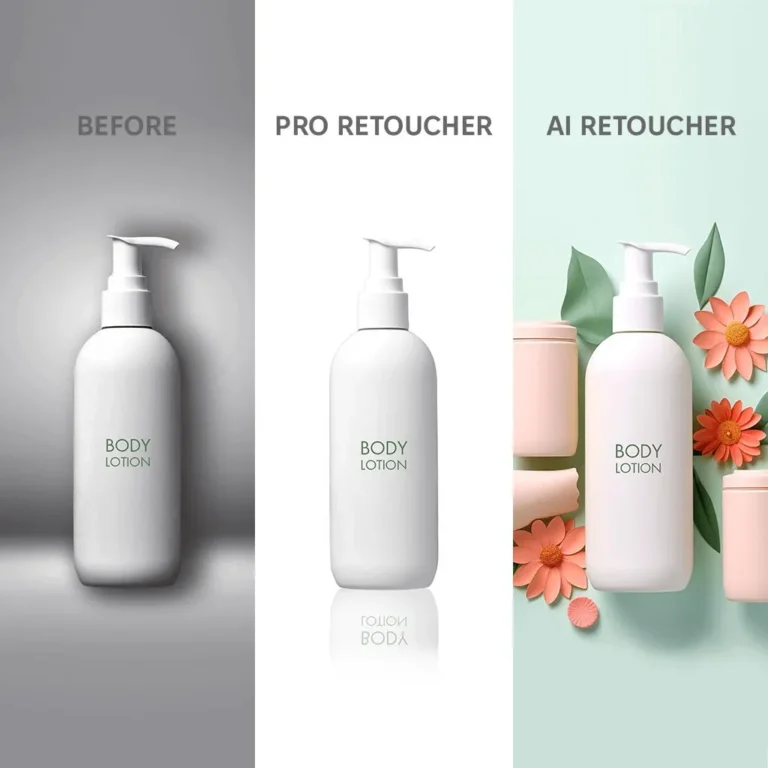
Retouching is what makes an image look professional rather than merely captured. It removes all the distractions and clear, accurately shows the products as a result of which returns are reduced. For portraits, it enhances the subject while keeping them recognisable and natural. For real estate and restoration, it repairs and clarifies. The goal is the same throughout: enhance without misrepresenting, because the moment retouching looks fake, it costs trust.
The Types of Retouching
Retouching specialises by use case: portrait retouching and skin retouching, ecommerce photo retouching, fashion and model, jewellery (reflections and facets), real estate, and restoration of old or damaged photos. Each wants a slightly different eye, which is why experienced retouchers often specialise, and why matching the retoucher to the job matters.