Key Takeaways
- Restoration digitally repairs fading, tears, scratches, and discolouration in old prints.
- It starts with a high-resolution scan (600 DPI or more), followed by a careful digital repair.
- Professionals bring the right tools, experience, and quality checks, and protect the original.
- It is a cost-effective way to preserve and share irreplaceable family history.
Old photographs fade, tear, discolour, and crack, and once a physical print is damaged, the memory it holds feels at risk. Photo restoration is the process of digitally repairing damage to an old or deteriorated image and bringing it back to a condition close to its original. This explains what restoration is, how it works, and the best reasons to hire a professional rather than trying it yourself.
What Restoration Is
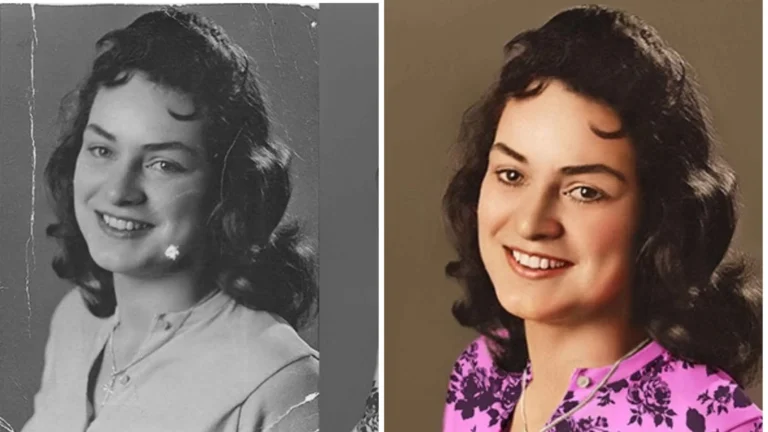
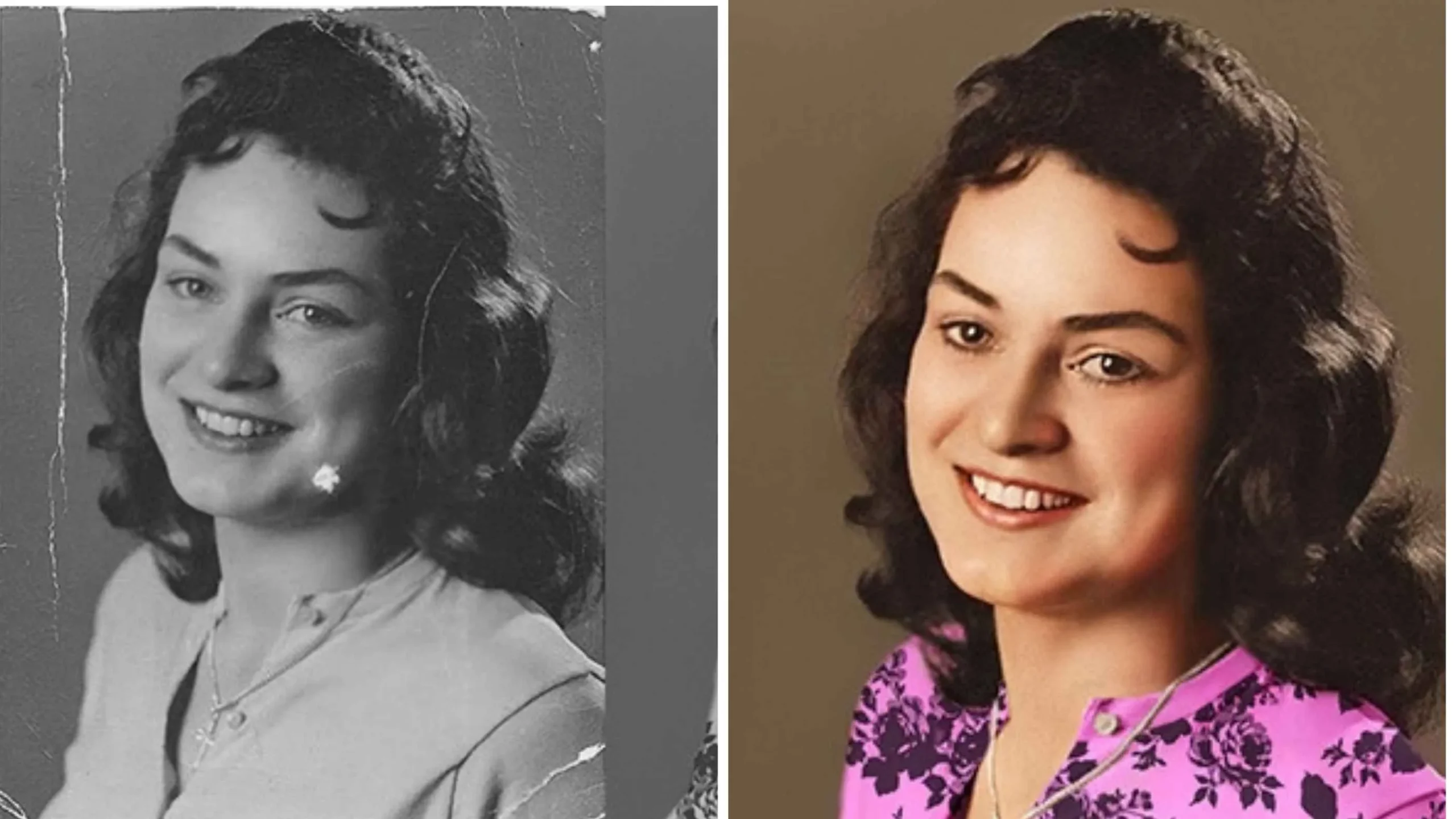
Restoration is an artistic, digital process that turns old, damaged photographs into clean digital copies and repairs the damage caused over time. Using specialised software, a restorer corrects colour distortion, rebuilds torn or missing areas, removes scratches and spots, and lifts faded contrast, bringing an image back close to how it looked when new. It takes both technical skill and a patient, careful eye.How It Works
It starts by scanning the original print at high resolution, usually 600 DPI or more, to capture every detail. From there, the restorer works on the digital copy: correcting colour and contrast (often with tools like Photoshop’s levels), rebuilding damaged areas by hand, clearing blemishes and creases, and sharpening soft detail. The original print is never altered, since all the work happens on the scan, so nothing is risked.A Reliable, Stress-Free Result
Restoring a damaged photo yourself is slow and easy to get wrong, and mistakes on an irreplaceable image are costly. A service handles the work reliably, with the experience and know-how to repair while keeping the photo authentic. Reputable providers also run quality checks before delivery, so you receive a finished product.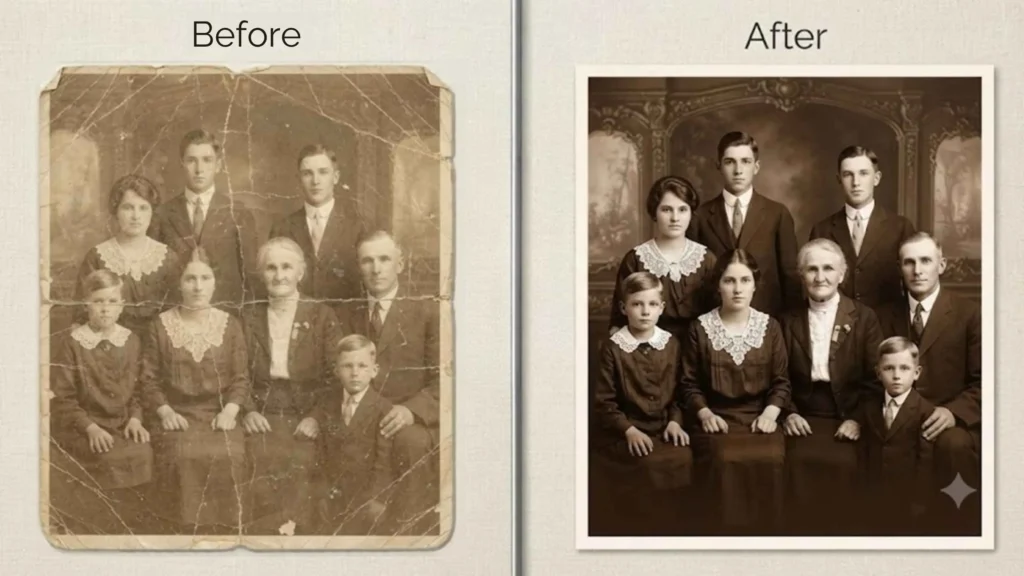
The Right Tools
Good restoration depends on up-to-date software and technique: high-resolution scanning, advanced repair and colour tools, careful output. A dedicated service already has this set up and knows how to use it, which is why their results consistently beat a well-meaning DIY attempt with basic tools.Cost-Effective and Fast
Outsourcing is usually cheaper than wasting time and trial and error of doing it yourself, and experienced teams turn work around quickly. Restored images can then be stored digitally and shared easily with family, so a single fragile print becomes a preserved memory everyone can keep.What Can and Cannot Be Restored
It helps to have realistic expectations. Most common damage restores well: fading, discolouration, scratches, spots, creases, and small tears can usually be repaired convincingly, and faded colour can be rebuilt. Even larger torn or missing areas can often be reconstructed by hand where there is enough surrounding detail to work from. The hard cases are images where information is truly gone, a face that is entirely missing, or a print so degraded that little detail survives, since a restorer can rebuild plausibly but cannot invent what was never captured. A good service will tell you honestly what is achievable for your photo before you commit.Frequently Asked Questions
What is photo restoration?
The digital repair of old or damaged photographs, fixing fading, tears, scratches, and discolouration to bring an image back close to its original condition, worked on a high-resolution scan of the print.
How does restoration work?
The print is scanned at high resolution (usually 600 DPI or more), then repaired digitally: colour and contrast corrected, torn or missing areas rebuilt by hand, and blemishes and creases cleared. The original stays untouched.
Can badly damaged photos be restored?
Often, yes. Even torn, faded, water-damaged, or cracked photos can be substantially repaired by a skilled restorer. How complete the result is depends on the damage, but most images improve dramatically.
Do I need the original photo?
No. A good scan or clear photograph of the print is enough. The original stays safe while the restoration is done on the digital copy.
Is restoration the same as retouching?
They overlap. Restoration specifically repairs damage and ageing in old photos. Retouching more broadly refines images (blemishes, texture). Restoration work often includes light retouching.
How much does restoration cost?
It depends on the damage; light fading is reasonable, while rebuilding torn or missing areas takes more time and costs more. Ask for a quote based on your specific photo.
Why should I consider service over DIY?
A professional has tools, experience, and quality checks to repair damage while keeping the picture’s originality**. ** They work on scans so that there is no risk to irreplaceable originals
Is it possible to store restored photos?
Keep the digital files in at least two places: a computer with cloud backup or an external drive, so the restored version is safe. From there, they are easy to reprint and share with family.