Key Takeaways
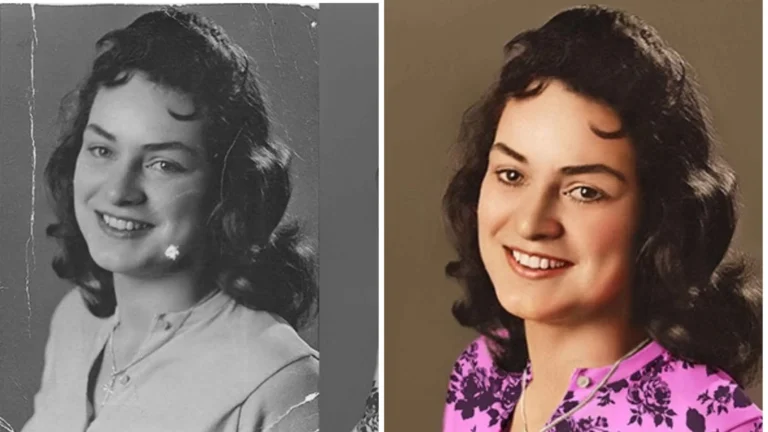
- Digital restoration operates on copies and not the original, making error-corrective actions and trials possible without causing additional harm to the actual photograph.
- Digital software allows for accurate and focused modification of color and contrast, as well as fixing scratches and dust spots, much more easily and safely than trying to perform such work manually on the original.
- Digital distribution means that restoration can be provided at a distance; clients can mail a scanned copy of the photograph and receive a digitally restored one without mailing the original.
- The primary expertise, recognizing how to recreate the missing details effectively, is essentially a human decision and not a technological one
How Digital Copies Improve the Editing Process
The traditional form of image restoration was done directly on the physical print or negative, so any error was risky; it would damage the original forever. Digital restoration eliminates this risk entirely: a high-resolution scan becomes the working copy, and the original stays untouched. This also means a restorer can attempt a correction, evaluate it, and revise if needed, a level of iteration that was simply impossible with physical retouching methods.What Digital Tools Actually Do Better
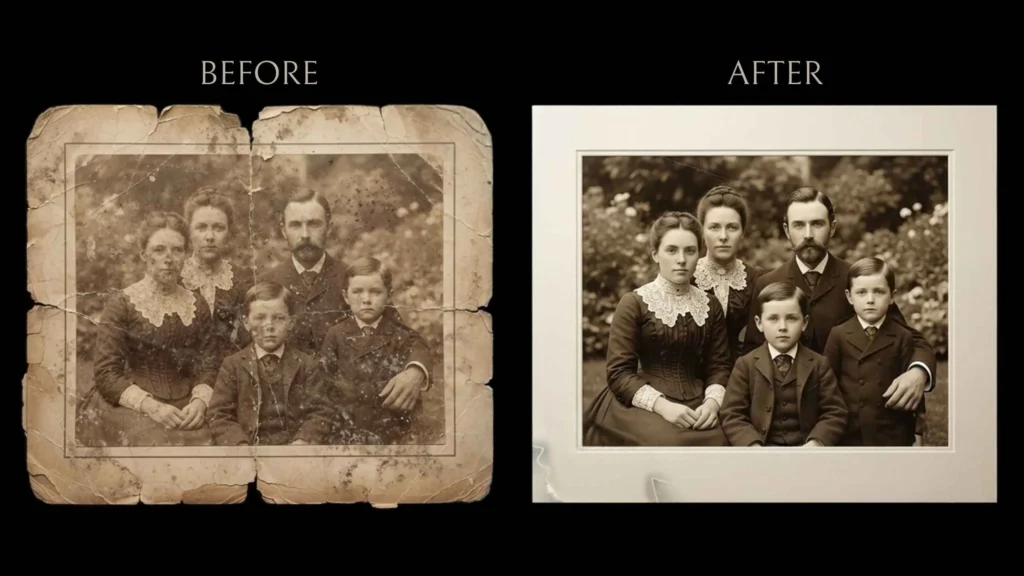
Precise, localized color correction can restore faded dyes to something close to their original in a way that’s far more controlled than physical chemical processes ever allowed. Scratch and dust removal that would require painstaking manual retouching on a physical print can be done with great precision and far less risk of visible, excessive correction. And detail reconstruction, rebuilding a torn or missing section based on surrounding image context, is a capability that simply didn’t exist before digital tools, since there was no way to “fill in” missing physical material on an original print.
Remote Access Has Changed Who Can Get Restoration Done
Digital delivery means a customer can photograph or scan a damaged print, upload it, and receive a restored digital version without ever shipping a physical original anywhere, which matters enormously for genuinely irreplaceable family photos that people are understandably nervous about mailing. This accessibility has brought professional-quality restoration to a far wider range of people than the traditional in-person darkroom model ever reached.
What Hasn’t Changed: The Skill Required
Despite all the technological change, restoration still depends on genuine skill and judgment, understanding how light, color, and texture should look in a damaged area based on the surrounding image, and reconstructing it convincingly rather than mechanically. Software gives a restorer more precise tools, but it doesn’t replace the trained eye needed to use them well. This is why restoration quality is still different among providers, even though everyone has access to similar software.Frequently Asked Questions
Is digital photo restoration safer for the original photograph compared to traditional techniques?
Yes, because digital photo restoration is done on a copy of the image, not the original photograph; therefore, there is no risk of damaging the original image during the photo restoration.