Key Takeaways
- How the service provides deals with your original image in terms of scanning and physical handling is equally important as its ability to edit.
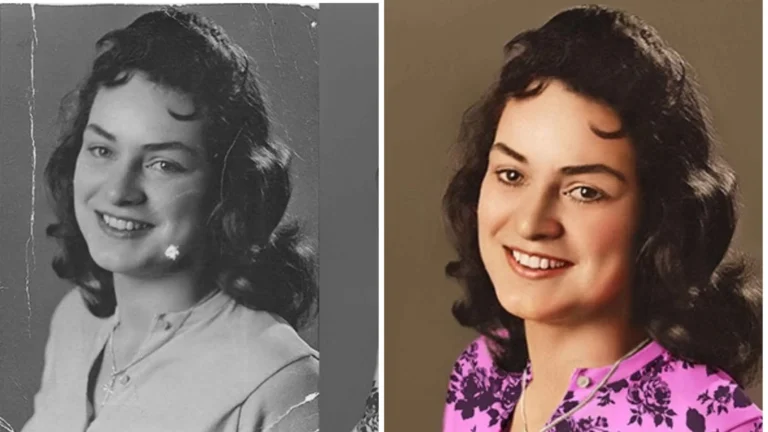
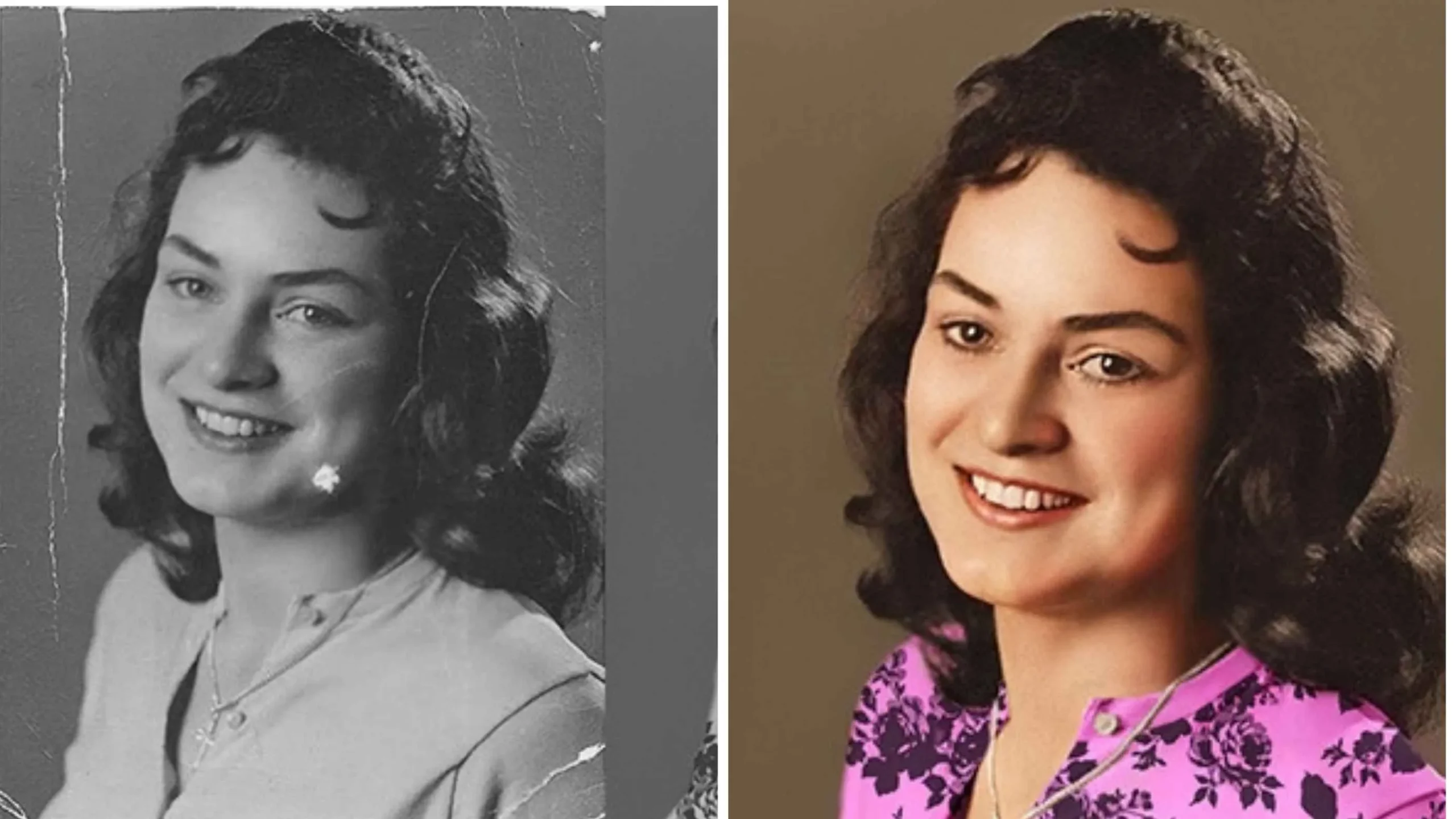
- Before/after results that are based on photographs in bad shape and not just old or faded will show you what he is capable of restoring.
- Ask about reconstruction (restoration of missing parts) as this is the most difficult category of photograph restoration.
- If the service clearly explains what is achievable rather than promises to restore everything – it’s a good signal.
Restoration work carries a different kind of risk than most photo editing. If a product photo comes back wrong, you reshoot it. If a decades-old family photo is mishandled or a restoration attempt goes badly, there’s often no way to get back the original moment. That’s exactly why choosing a restoration provider deserves more scrutiny than picking a general editing service.
How Your Original Photo Will Be Handled
Ask directly whether a provider needs your physical original or can work entirely from a high-resolution scan or photograph you send yourself. Providers who can work from a scan reduce the risk to your original entirely, since it never has to leave your possession. If a provider does require the physical original, ask specifically how it’s protected during shipping and handling; this matters enormously for anything genuinely irreplaceable.Real Portfolio Evidence, Not Just Polished Results
Ask for actual before-and-after examples on significantly damaged photos, not just mildly faded ones, since the skill required for the two is genuinely different. Faded color correction is a relatively contained technical task. Reconstructing a torn, missing, or badly water-damaged section requires judgment and reconstruction skills that only show up in examples of real, substantial damage. If a provider’s portfolio shows only minor restorations, ask directly whether they’ve handled more significant damage and request to see it.Understanding What’s Realistically Achievable
A trustworthy provider will be direct about the limits of what a given photo can achieve, rather than promising a perfect result on anything you send. Severely degraded photos, especially where large areas of detail are genuinely lost, not just faded, may only be partially recoverable, and a provider who acknowledges this upfront is generally more trustworthy than one who guarantees flawless results on every photo sight unseen.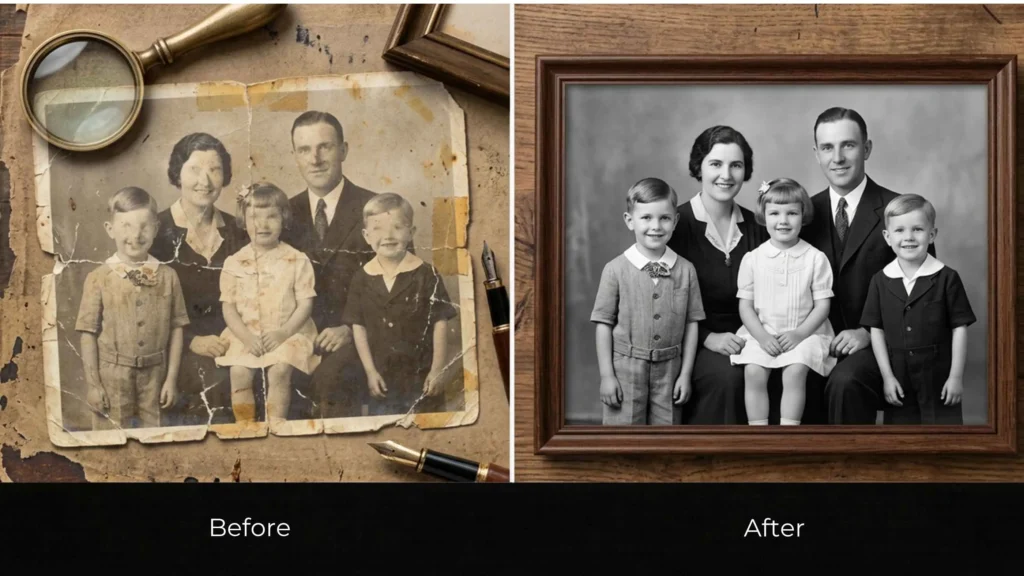
Turnaround Time and Process Transparency
Ask for a specific timeline, and understand that genuinely complex restoration (significant tears, missing sections, extensive reconstruction) legitimately takes longer than simple color and fade correction. A provider who gives you a realistic, differentiated timeline based on your photo’s actual condition is more credible than a single-quoted turnaround regardless of complexity.Pricing That Reflects Actual Complexity
Restoration pricing should scale with the actual complexity of the work; a faded but otherwise intact photo is a different job than one requiring significant reconstruction. Be cautious of pricing that doesn’t account for this difference; it often signals either underpricing (a red flag for how much genuine attention your photo will get) or a provider not experienced enough to accurately scope restoration work.Frequently Asked Questions
Do I need to send my original photo, or is a scan sufficient?
Many restoration providers can work entirely from a high-resolution scan or photograph, which is generally the safer option for anything irreplaceable, since the original never has to leave your possession.
How can I tell if a provider can actually handle significant damage, not just fading?
Ask specifically for before-and-after examples of substantially damaged photos, tears, missing sections, heavy water damage, since this is a different skill than correcting mild fading, and a strong portfolio should show both.
Should I be suspicious of a provider that guarantees perfect results on any photo?
Some caution is warranted. Images that have been severely damaged may not necessarily be fully repairable, depending on the extent of the damage, and a reputable service will most likely be realistic in its expectations rather than guaranteeing perfect results without seeing the images first.
Which factors determine the cost variation of photo restoration when a job can be either simple or complex?
Photo restoration takes more time and effort to restore parts that are either missing or damaged than to fix photos that have either become old or scratched.