Key Takeaways
- Restoration helps restore faded property images for reuse. This ensures that the nature of these historical buildings is not compromised.
- Restored images support marketing and give an accurate, attractive representation.
- It is a distinct use case from standard editing of fresh photos.
In real estate, first impressions decide whether a listing gets a click or a scroll, and images make that impression. Most real estate photo editing works on new photos,, but there is a specific, valuable case for restoration: reviving old, archived, or damaged property images. For a heritage home, a dated listing photo documenting a property’s history, restoration brings those images back to life. Here is why it matters.
When Real Estate Needs Restoration
Standard editing polishes new photos, but some listings rely on older material: archived images of a property, photos of a heritage or historic home, or dated shots that are the only record of a space before renovation. When those images are faded, discoloured, or damaged, photo restoration, not ordinary editing, is what makes them usable. Recognising that distinction is the first step to using the right service.
Reviving Visual Appeal
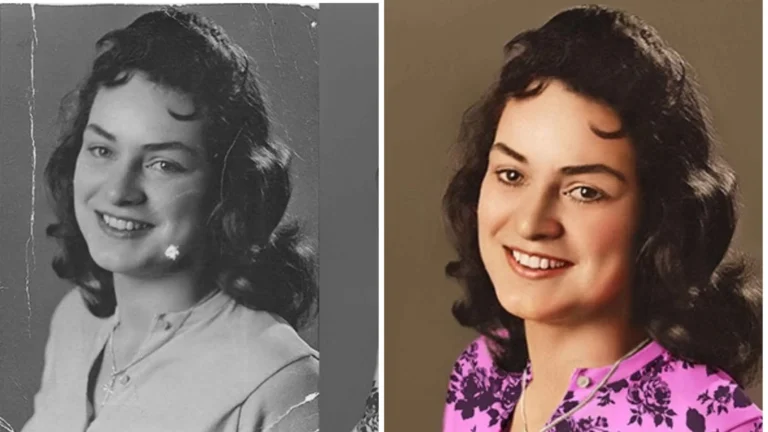
Restoration breathes life back into old images, correcting fading and discolouration and making them vibrant and attractive again. A tired, yellowed archive photo can come close to a fresh image, so a property with limited or older photography can still be presented well online, where visual appeal drives interest.Preserving Historical Character
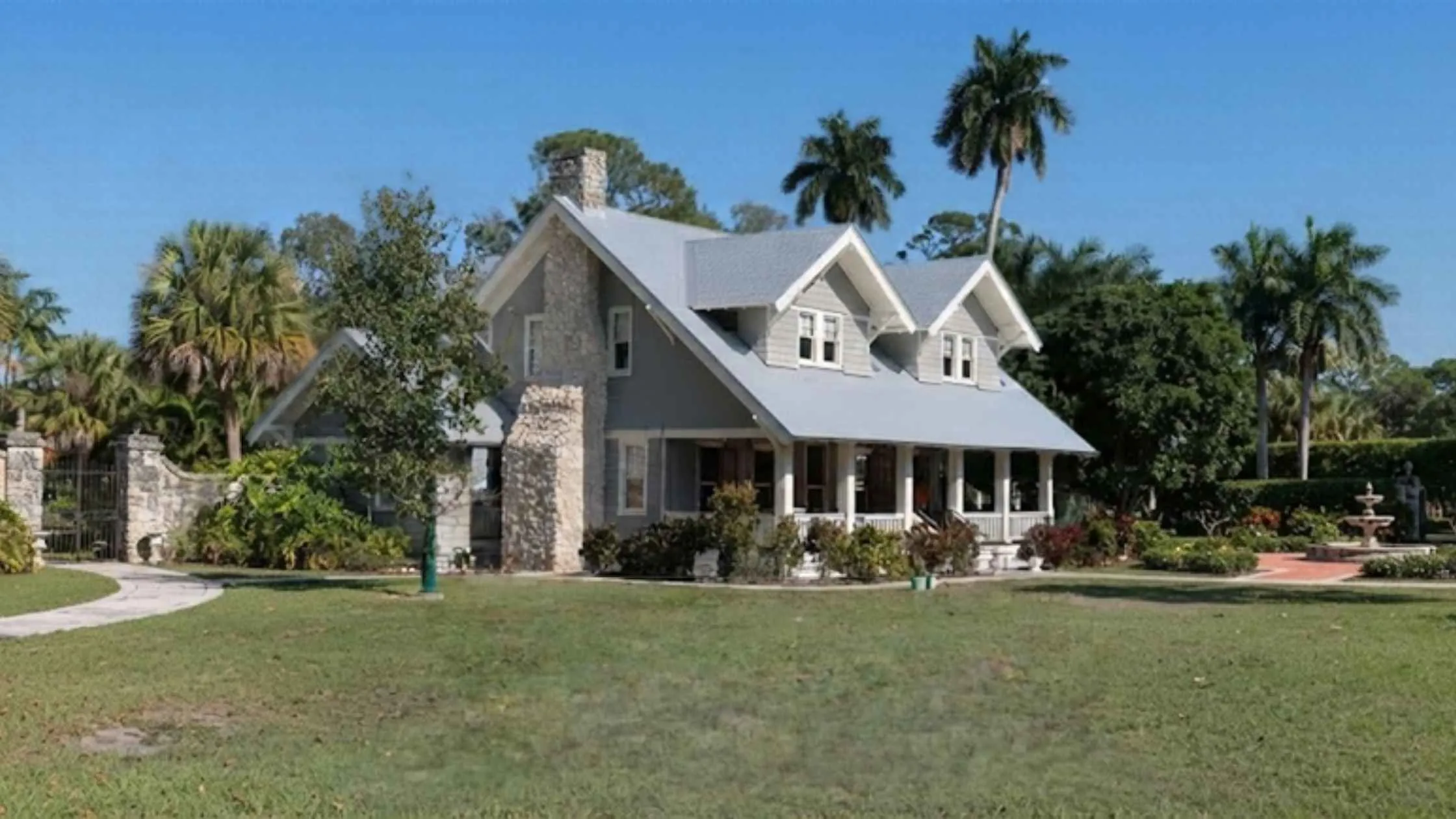
For heritage and older properties, the details are part of the value: original architecture, period features, character that newer builds lack. Restoration preserves and emphasises these in older images, helping buyers appreciate a property’s history and distinctiveness, which can be a genuine selling point for the right audience.Powerful Marketing, Honest Representation
Well-presented and attractive pictures work better in listings, brochures, and advertisements, and picture restoration enables old pictures to contribute their share. However, when restoring pictures, accuracy of representation should be maintained, since restoration is meant to restore a true picture of how the property looked, creating a sense of trust.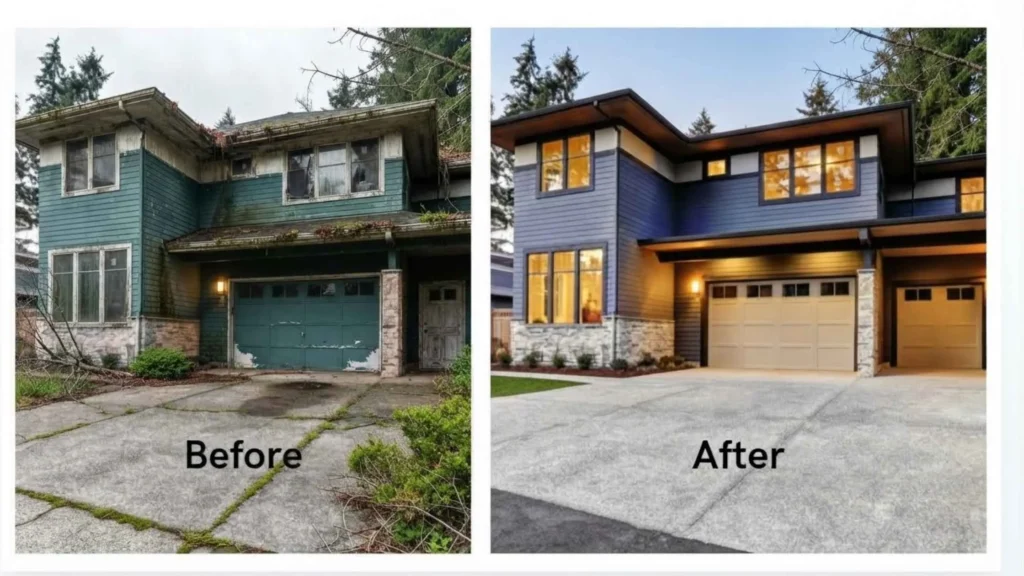
Bringing Property Transformation Into Focus
Restored “before” images help showcase a property’s transformation by combining the original photos with current ones to highlight renovations and upgrades. That before-and-after storytelling demonstrates the work and investment that has gone into a property, which is persuasive for buyers weighing its value. Restored “before” images help showcase a property’s transformation by combining the original photos with current ones to highlight renovations and upgrades.Supporting Perceived Value
Professional presentation influences perceived value; that includes how well older or archival images are handled. A listing that presents even its historical images cleanly signals care and quality, subtly supporting a stronger impression and potentially a stronger valuation, rather than relying on faded, damaged photos.How the Process Works
Restoring a real estate image follows a clear path. First, the source is digitised: an old print or archival photo scanned at high resolution to capture whatever detail survives. Next, the restorer assesses the damage, fading, discolouration, scratches, tears, and plans the repair. Then the work happens on the digital copy: colour correction and contrast adjustment, rebuilding damaged or missing areas by hand where surrounding detail exists, and clearing marks and blemishes. Finally, the restored image is delivered ready for listings or marketing, with the original untouched.