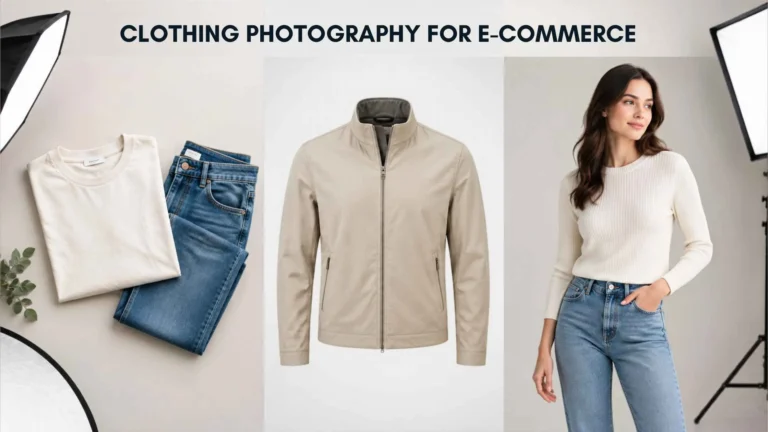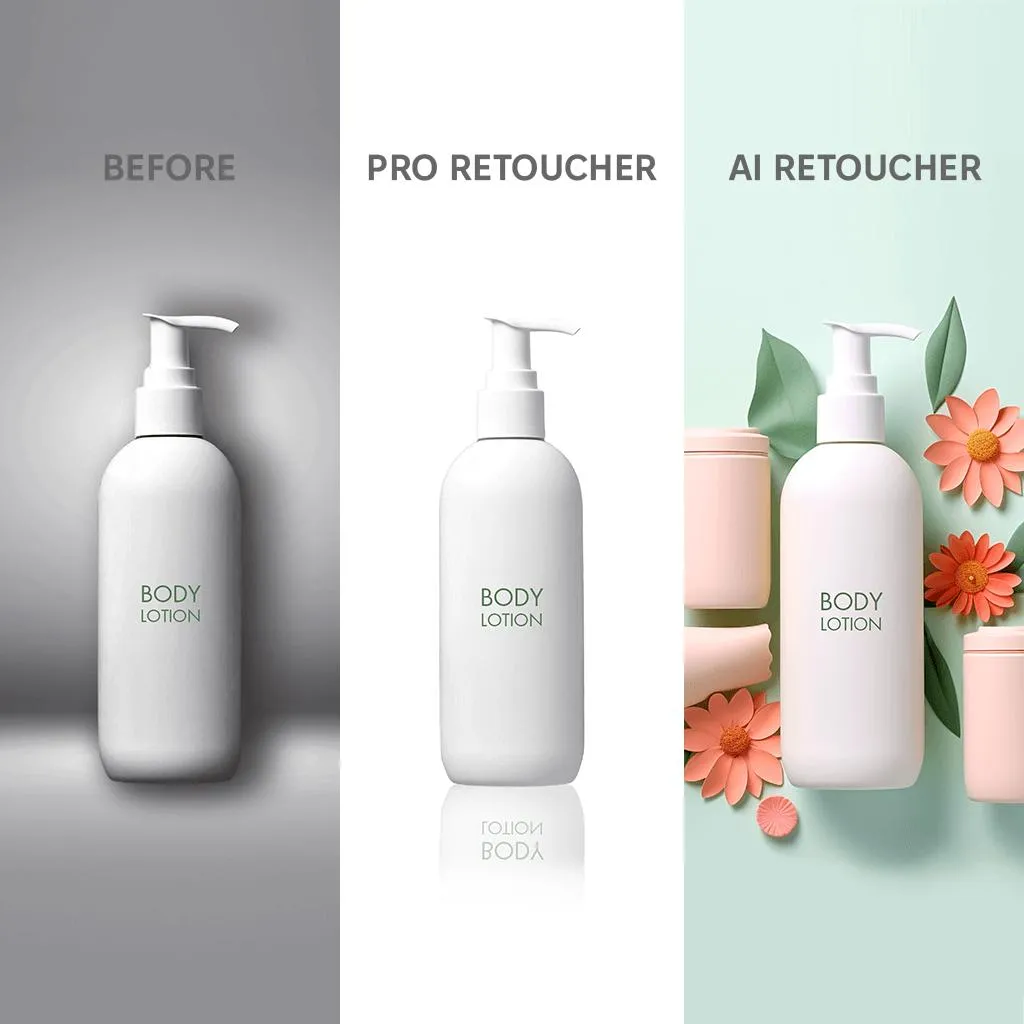
Online shopping runs on images. Before a customer reads a product description or checks a review, they’ve already judged the photo, and that judgment shapes whether they buy, scroll past, or abandon the cart. Because of that, retouching, color correction, and background removal are no longer just production tasks; they’re conversion tools.
That’s what’s pushed AI photo retouching into the mainstream. It’s fast, consistent at scale, and cheap per image. But AI still can’t fully replace an experienced retoucher who knows exactly where a shadow should fall, how silk should catch light differently than denim, or when a skin tone needs a gentle hand instead of an algorithm.
So the real question isn’t “AI or human?” It’s “which tasks belong to which, and how do you combine them without wasting money or quality?” This guide breaks down where each approach wins, where it falls short, and how retail, jewelry, fashion, and real estate brands are actually making the decision.
Why This Decision Matters More Than Ever
Every visual-first industry, apparel, jewelry, furniture, real estate, is running into the same tension: catalogs are growing faster than editing budgets. A brand adding 500 new SKUs a month can’t have a human retoucher spend 20 minutes per image, but it also can’t afford product photos that look flat, inconsistent, or artificial. Getting this decision wrong has a direct cost. Poorly retouched images increase bounce rates and returns (buyers see something different from what arrives). Over-processed, AI-only images can look synthetic enough to erode trust. The businesses getting it right treat photo editing as a workflow decision, not a one-size-fits-all tool choice.Where AI Photo Editing Takes the Lead
Speed and Scale for Large Catalogs
For catalogs with hundreds or thousands of SKUs, AI-powered background removal, batch color correction, and standard cropping outperform manual work on raw throughput. What would take a team of editors days can be processed in hours, which matters most for time-sensitive launches and seasonal drops.Consistency on Repetitive, Rule-Based Edits
AI doesn’t get tired or inconsistent on the two-thousandth image the way a human editor might. For high-volume, low-complexity tasks, resizing for multiple marketplaces, standardizing white backgrounds, batch brightness fixes, it delivers the same result every time.Lower Cost Per Image at Volume
Because AI tools automate the repetitive parts of the workflow, the cost per image drops significantly at scale, which keeps large e-commerce catalogs commercially viable.
Where Manual Retouching Still Wins
Reading Material, Light, and Texture
An experienced retoucher can tell the difference between how light falls on silk versus denim, or how a diamond’s facets should refract versus a colored gemstone’s, and adjusts accordingly. Current AI tools apply learned patterns; they don’t “see” material the way a trained eye does, which is why jewelry and high-end fashion images still lean heavily on manual work.Judgment Calls AI Can’t Make
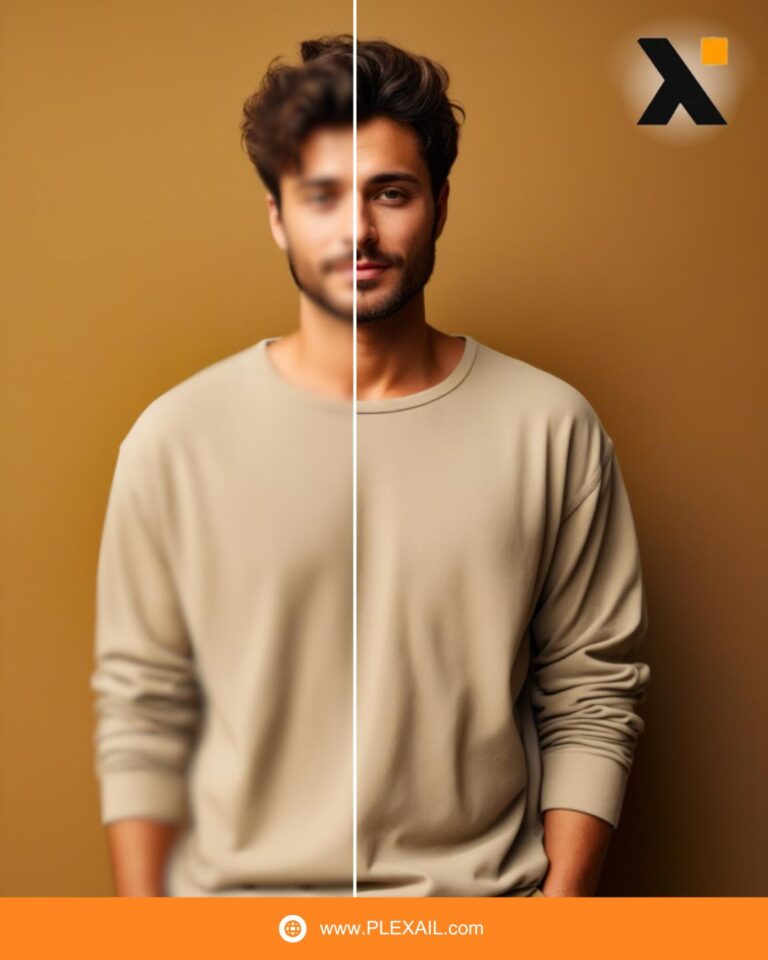
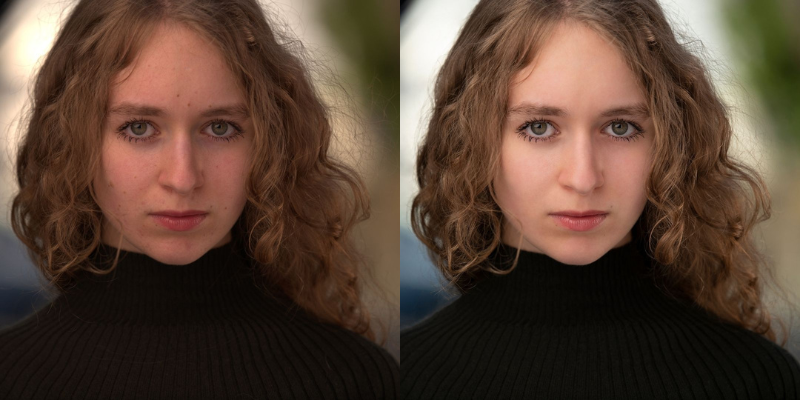
Knowing when not to edit is as important as knowing how. A professional retoucher recognizes when a model’s skin tone needs delicate, minimal treatment rather than a heavy algorithmic smoothing pass that flattens detail and looks unnatural, a common complaint with fully automated skin retouching.Brand-Specific Visual Consistency
Brands with a signature look, a particular lighting style, shadow treatment, or color mood, need that consistency applied with intent across every shoot, every season, every photographer. That kind of nuanced consistency is still driven by an experienced editor’s eye, even when AI tools assist the process.AI vs. Manual Photo Retouching: Quick Comparison
| Factor | AI Photo Retouching | Manual Retouching |
|---|---|---|
| Best for | High-volume, repetitive edits | Detail-sensitive, brand-critical images |
| Speed | Very fast at scale | Slower, per-image |
| Cost per image | Low at volume | Higher, reflects expertise |
| Handles texture/material nuance | Limited | Strong |
| Brand-specific consistency | Needs human oversight | Naturally maintained |
| Typical use case | Background removal, batch color correction, resizing | Skin retouching, jewelry detailing, hero/campaign images |
The Smarter Approach: Blending AI and Human Expertise
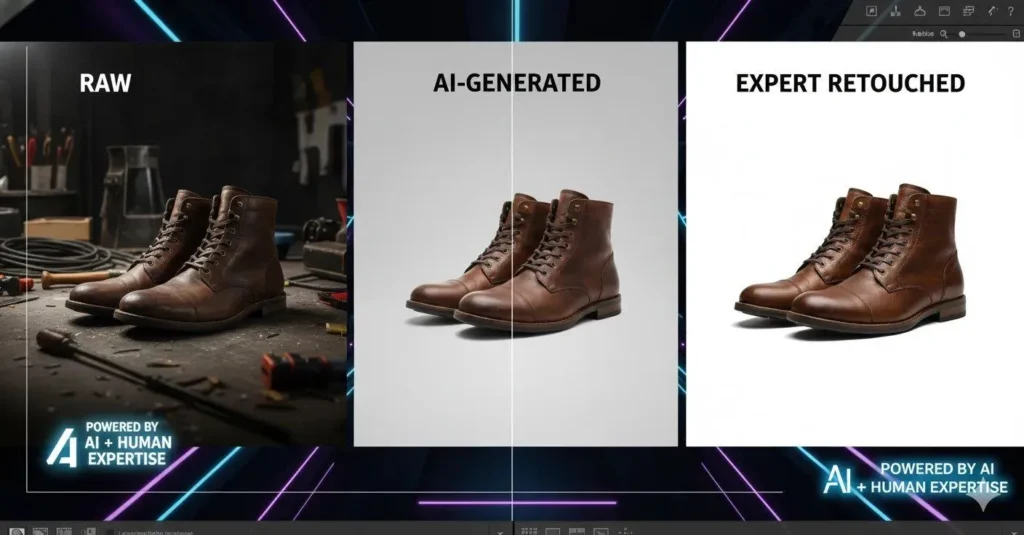
Most established photo editing services no longer treat this as either/or. The practical model looks like this:- AI handles the repeatable groundwork: background removal, batch resizing, initial color correction, across the full catalog.
- Human editors handle the judgment work: skin retouching, texture detailing, shadow and highlight balancing, brand-specific finishing touches, especially on hero shots, campaign images, and premium products.
- A final human quality check catches anything AI over-processed or missed, before images go live.
Choosing the Right Mix for Your Industry
- E-commerce / retail: Lean on AI for background removal and batch consistency across large catalogs; reserve manual retouching for hero product shots and homepage imagery.
- Jewelry: Manual retouching is close to non-negotiable. Facet detail, metal reflection, and stone clarity rarely survive fully automated editing intact.
- Fashion: A hybrid split works well: AI for volume shots, manual editing for skin retouching, fabric texture, and campaign-level images.
Real estate: AI speeds up basic enhancement and sky replacement across large listing volumes; manual work (or careful review) matters most for virtual staging and hero exterior shots that sell the listing.
How Plexail Approaches This
Plexail is a photo editing partner built around exactly this hybrid model. Backed by over a decade of industry experience and a team of 100+ trained editors, Plexail combines AI-assisted processing for high-volume tasks with hands-on retouching for the detail work that shapes buyer trust, serving fashion, e-commerce, jewelry, real estate, and wedding photography clients across the US, UK, Canada, Australia, and New Zealand. If you’re weighing AI against manual retouching for your own catalog, that’s usually the fastest way to find out which mix actually fits your volume and budget.
Frequently Asked Questions
What's the main difference between AI and manual photo retouching?
Is AI photo retouching good enough for e-commerce product images?
Which industries benefit most from manual photo retouching?
Jewelry, fashion, real estate, and other categories where the final visual detail directly influences purchase decisions benefit most from manual retouching, since these images tend to carry the highest scrutiny from buyers.