Key Takeaways
- Colour accuracy is the biggest job. Wrong colour is the number one reason apparel gets returned.
- The ghost mannequin effect shows a garment’s shape with no distracting model or hanger.
- Keep fabric texture. Over smoothing makes clothing look cheap and misrepresents it.
- Consistency across the whole catalogue is what makes a brand look premium.
For a clothing brand, the product photo is the fitting room. Shoppers cannot feel the fabric or try it on, so they judge fit, colour, and quality straight from the image, and they send back whatever does not match. Good fashion retouching is not about making clothes look unreal. It is about making them look accurate and consistent so buyers trust what they see. Seven tips that do exactly that.
1. Get the Colour Dead Right
This is where retouching makes or loses money. If a navy dress photographs as black, or a beige reads as white, the customer gets something that does not match the listing and sends it back. Careful white balance and colour matched to the actual garment, ideally against a reference, is the most valuable edit you can make.2. Use the Ghost Mannequin Effect
The ghost, or invisible, mannequin effect removes the mannequin or model but keeps the garment’s three dimensional shape, including the inner collar and hem. It shows fit and structure without the cost or distraction of a model, which is why it has become the standard for apparel e commerce. It means shooting the inside and outside of the garment, then compositing them cleanly.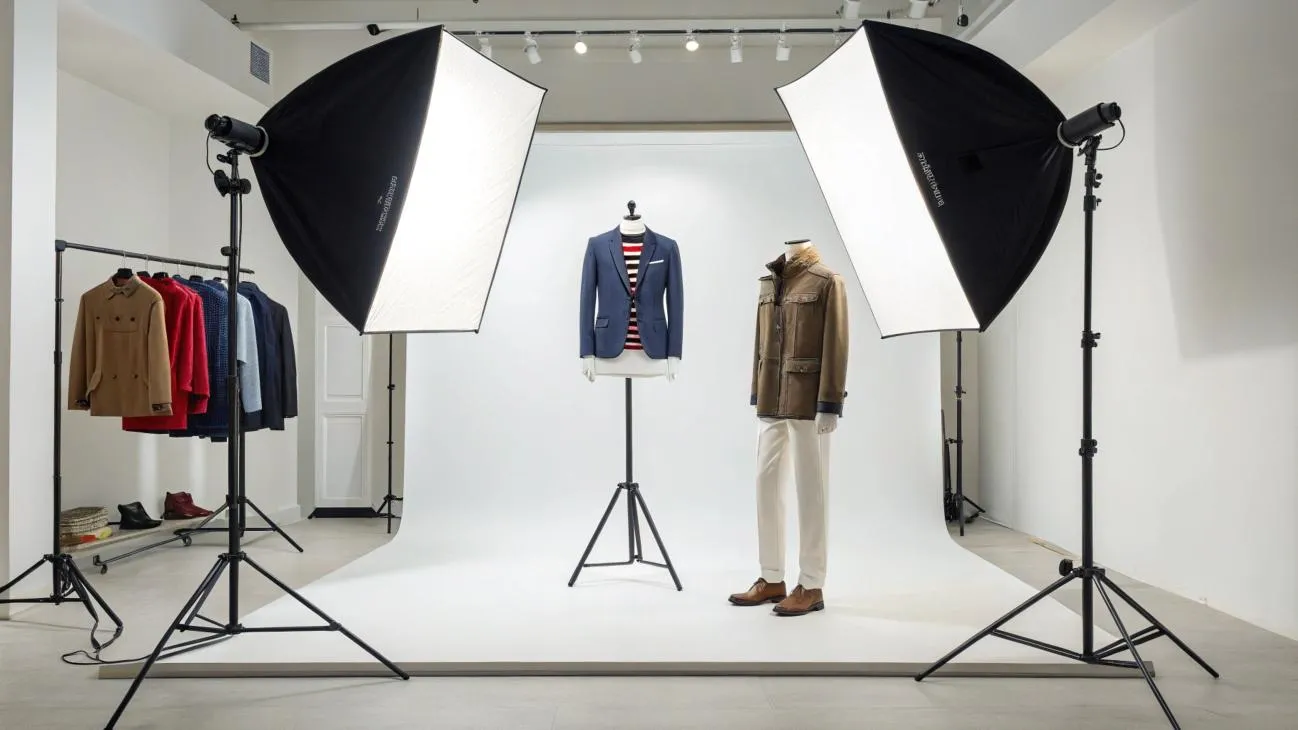
3. Retouch Models Lightly
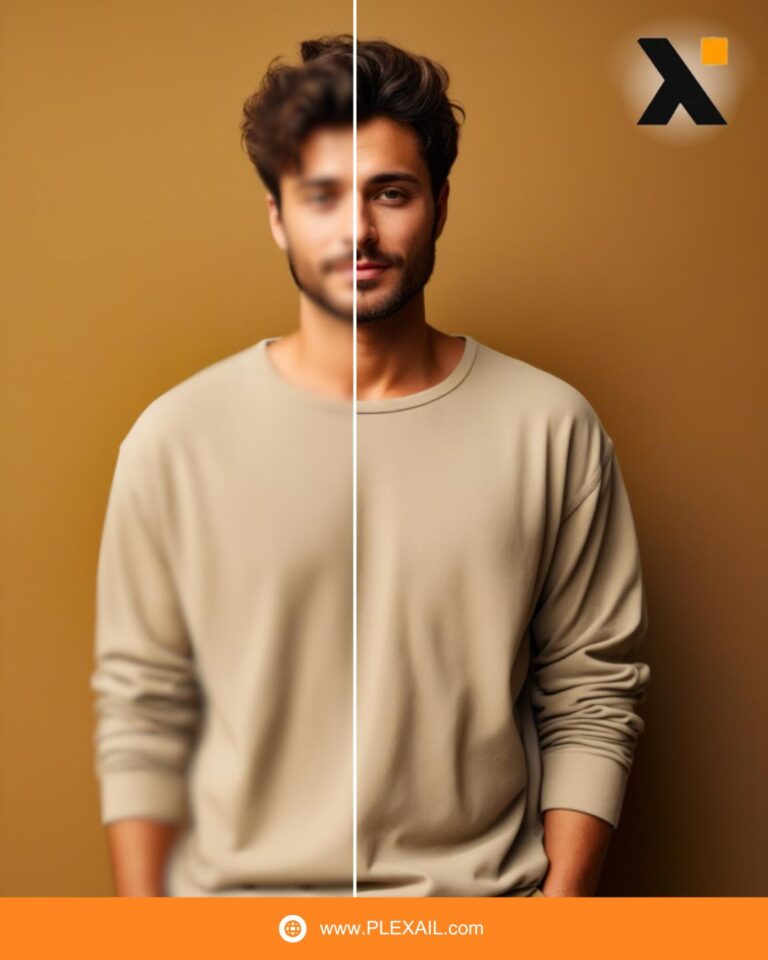
Skin work should be restrained: even out the odd distracting blemish or stray hair, but keep natural skin texture. Heavy smoothing looks fake, dates fast, and clashes with the honesty most shoppers now expect.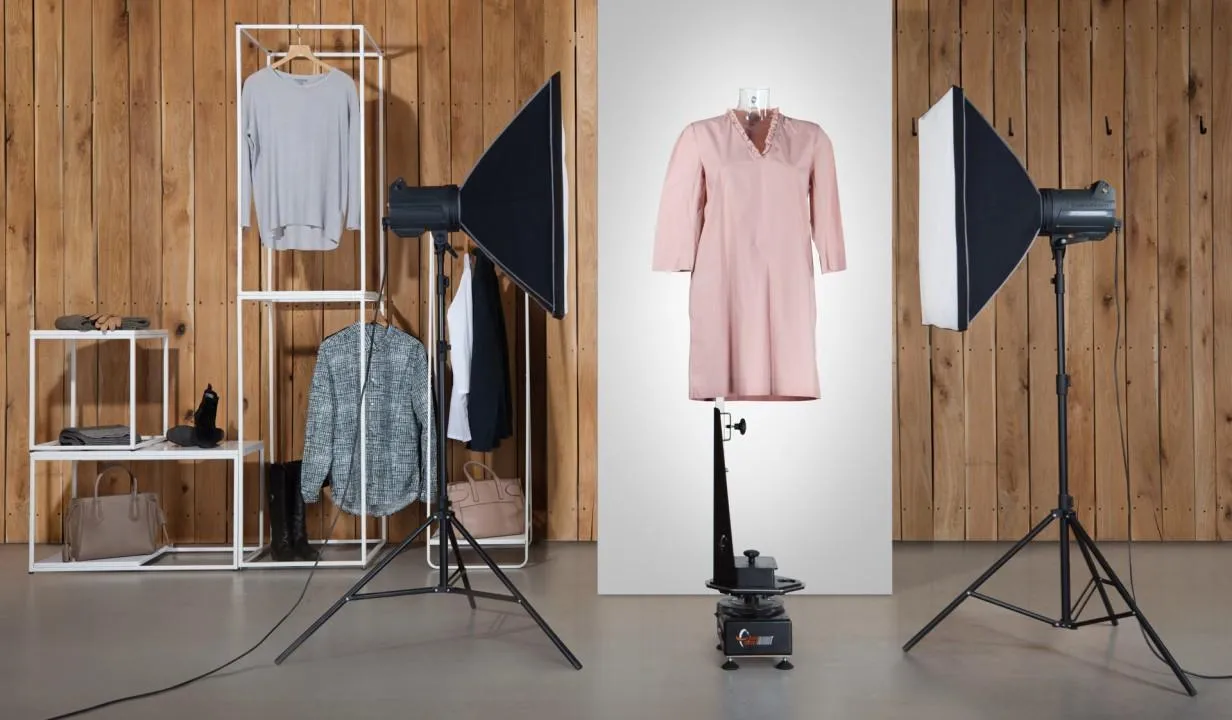
4. Protect the Fabric Texture
Texture is what says quality: the weave of linen, the sheen of silk, the grain of denim. Aggressive noise reduction flattens it and makes premium fabric look cheap. Clean up the flaws, keep the detail that signals value.5. Keep the Whole Set Consistent
A professional store looks like one store. Same background, same crop ratio, same lighting, same colour treatment on every product. Editing that varies shot to shot, even good editing, makes a brand look scrappy. Consistency is a retouching discipline as much as a shooting one.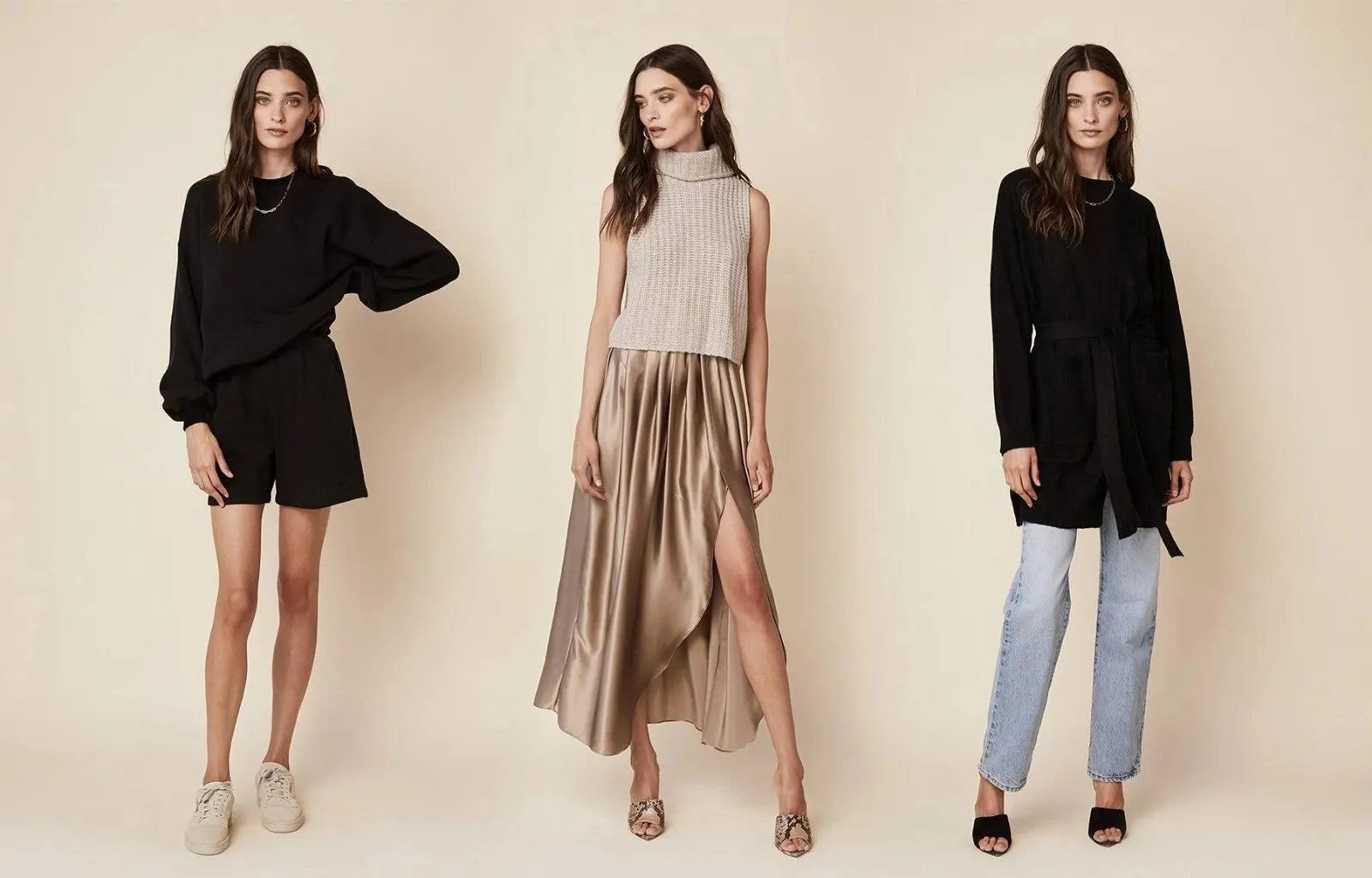
6. Clean Backgrounds, Real Shadows
Most apparel listings want a clean, usually white, background with a natural shadow so the garment does not look like it is floating. Precise cutouts plus believable shadow work make the product pop without looking pasted on.7. Know When to Hand It Over, and Avoid the Traps
Ghost mannequin compositing, consistent colour, and catalogue wide standards are slow and easy to get subtly wrong. Brands adding styles constantly often find an outside partner delivers more consistent results per image than editing in house. If you outsource, ask to see before and after fashion sets specifically, not generic product samples, since garment work is its own skill. A few traps to avoid: over smoothing skin into plastic, pushing the garment’s colour for ‘pop’ (that drives returns), letting backgrounds and crops drift across the set, and liquifying a garment to look slimmer, because customers notice when the real thing arrives.Frequently Asked Questions
What is the ghost mannequin effect?
A technique that removes the mannequin or model but keeps the garment’s 3D shape, including the inner neckline. It shows fit and structure cleanly, which is why it is standard for apparel e commerce.
Why does retouching cut returns?
Most apparel returns come from a gap between photo and product, usually wrong colour or misleading fit. Accurate colour and honest retouching mean customers get what they saw, so fewer items come back.
How much should models be retouched?
As little as you can while removing real distractions. Keep natural skin texture. Heavy smoothing looks artificial and can misrepresent the product on real bodies.
Should a clothing brand outsource this?
For consistent, high volume catalogues, usually yes. An experienced fashion retoucher holds colour, texture, and background standards steady across every style, which is hard to keep up in house while also shooting.
What is fashion photo retouching, exactly?
The process of special editing of clothes and model photos: adjusting colors, removing mannequin, retouching the skin and clothes, and eliminating the background to present clothing as perfectly as possible.
Apparel editing vs general product editing, what is the difference?
Apparel deals with fabric texture, drape, fit, and often models or ghost mannequins. General product editing (rigid objects) is more about clean cutouts and shadows. Ask a provider for fashion specific samples.
How long does fashion retouching take?
It varies with complexity and volume. Simple colour and background work is fast, ghost mannequin and detailed model work take longer. Many services offer 24 to 48 hour turnaround for standard sets, confirm before you commit.
What tools do fashion retouchers use?
Mostly Photoshop for compositing and detailed work, plus Lightroom for colour and batch consistency. The ghost mannequin effect and fine skin work are Photoshop jobs. The tool matters less than the retoucher’s eye for keeping fabric and skin natural.