Key Takeaways
- Consistency across a full shoot or lookbook (same skin tone treatment, same color calibration, same retouching style) is what separates polished brands from ones that look assembled from mismatched shoots.
- Outsourcing avoids the fixed costs of an in-house retoucher: salary, training, software licenses, and the risk of a skill gap on a specific technique (ghost mannequin, fabric texture, jewelry detail).
- The real differentiator between fashion photo editing services isn’t speed, it’s retouching quality: fabric texture preservation, natural (not plastic-looking) skin retouching, and consistent color across every image in a set.
- Turnaround and revision policy matter as much as price, ask both upfront, in writing, before committing to a shoot-sized batch.
5 Reasons Fashion Brands Outsource Photo Retouching
Consistent brand image across every shoot. A lookbook shot over three days with different lighting setups needs to look like one cohesive collection, not three different shoots stitched together. Consistent retouching (matched skin tone, color grade, and contrast) is what makes that happen, and it’s genuinely hard to maintain in-house across a growing catalog without a dedicated process.
Higher perceived product quality. On e-commerce platforms specifically, product photo quality directly shapes whether a shopper trusts the brand enough to buy, see our guide on e-commerce photo editing’s effect on sales for more on this.
Lower fixed cost than in-house. An in-house retoucher is a full salary plus training plus software licensing, whether you have 50 images or 500 to edit that month. Outsourcing scales with your actual volume, you’re not paying for downtime between shoots.
Broader reach from professional-grade images. Well-retouched images perform measurably better on social and marketing channels, sharper detail and cleaner color hold up better across the different compression and display conditions each platform applies.
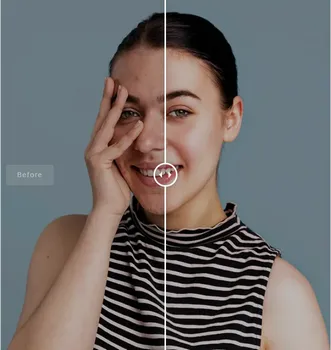
Clean removal of flaws without looking overworked. The line between “retouched” and “obviously retouched” is thin, especially on skin. A good retoucher removes blemishes and evens tone while preserving texture. The goal is looking like a great day, not looking artificial.
What Sets Fashion Photo Editing Services Apart in Retouching Quality?
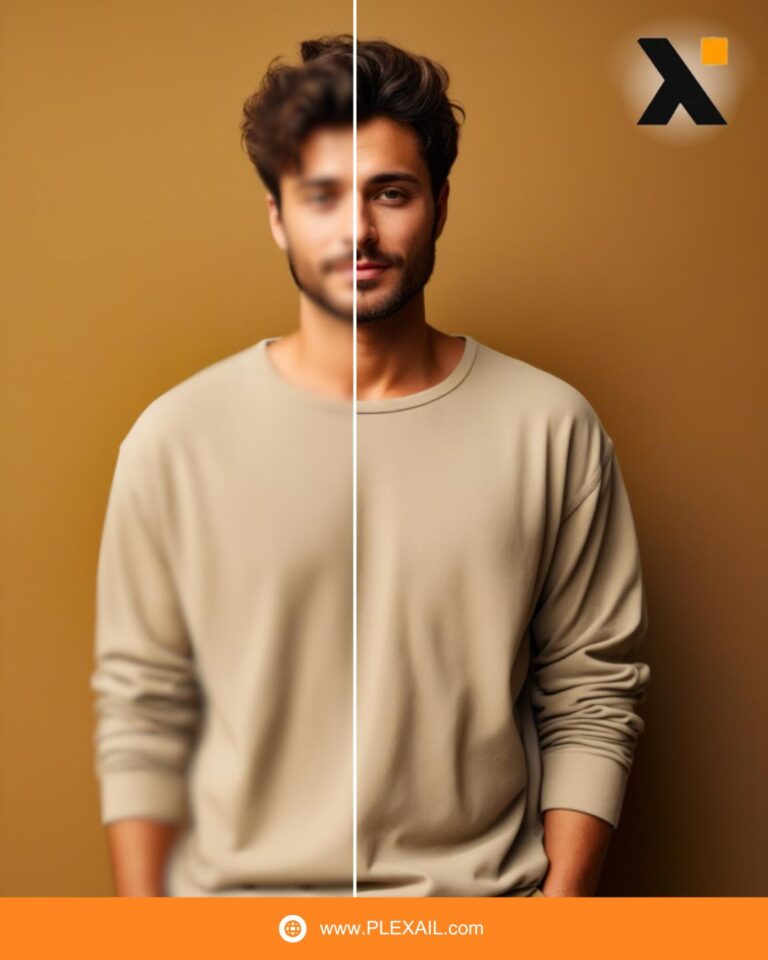
This is one of the most common questions brands ask when comparing providers, and the honest answer is: quality differences show up in three specific places. What to check. Skin retouching: lower-quality signal is plastic, over-smoothed, loses texture; higher-quality signal is natural texture preserved, blemishes gone. What to check. Fabric and texture: lower-quality signal is flattened detail, loses weave/print clarity; higher-quality signal is texture and print detail held sharp. What to check. Color consistency across a set: lower-quality signal is visible tone drift image to image; higher-quality signal is every image matches, even shot across days. Ask any provider to show you a full shoot’s worth of before/afters (not just a single hero image) to see whether they can hold quality consistently across volume, which is where quality gaps actually show up.In-House vs. Outsourced Retouching for a Mid-Market Fashion Brand
Fixed cost. In-house: salary + software + training, regardless of volume. Outsourced: depends on the batches’ size. Skill breadth. In-house: one person’s skills. Outsourced: access to specialists per technique (ghost mannequin, jewelry, fabric). Scaling for a big launch/season. In-house: requires hiring or heavy overtime. Outsourced: batch capacity built in. Onboarding time. In-house: weeks to hire and train. Outsourced: days to start, with a style guide.
Have a shoot that needs consistent, professional retouching across the full set? Get a free sample from Plexail and compare the quality before committing to a full batch.