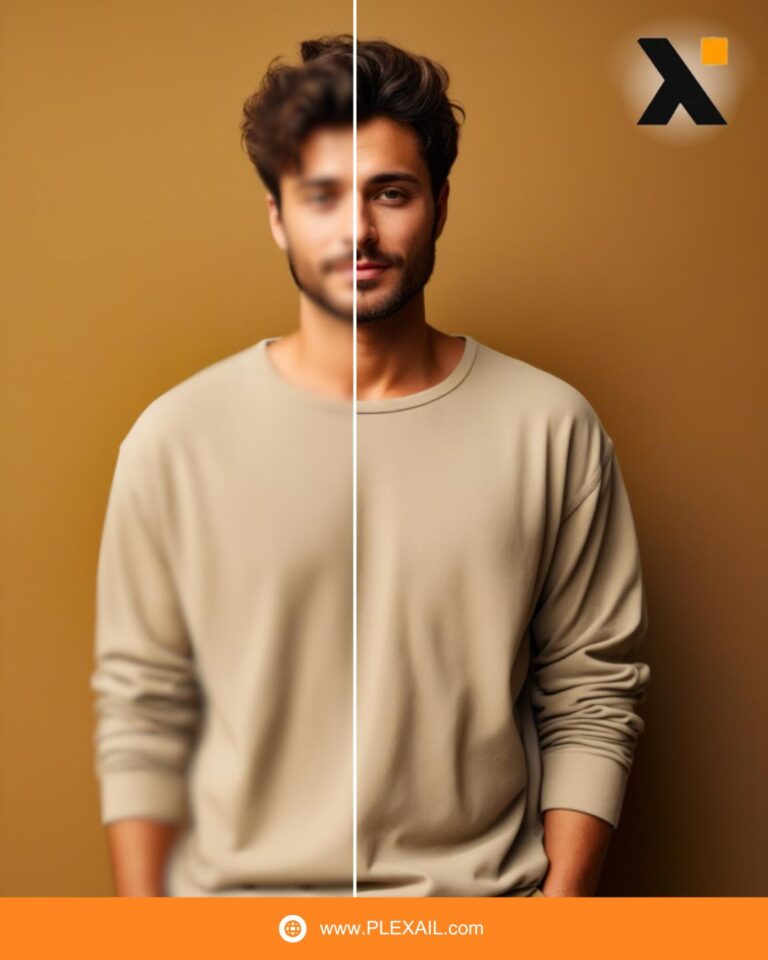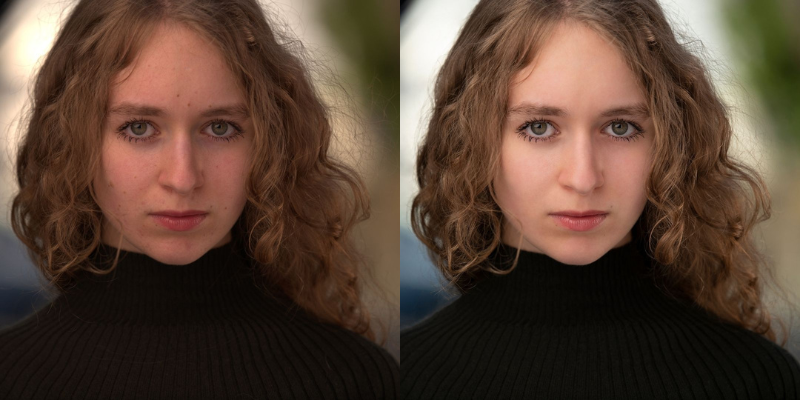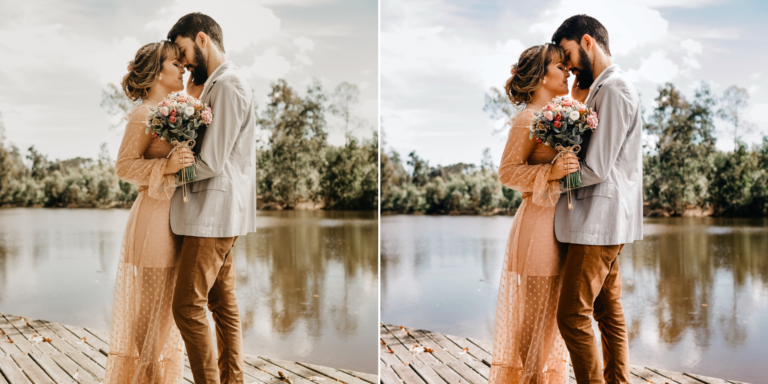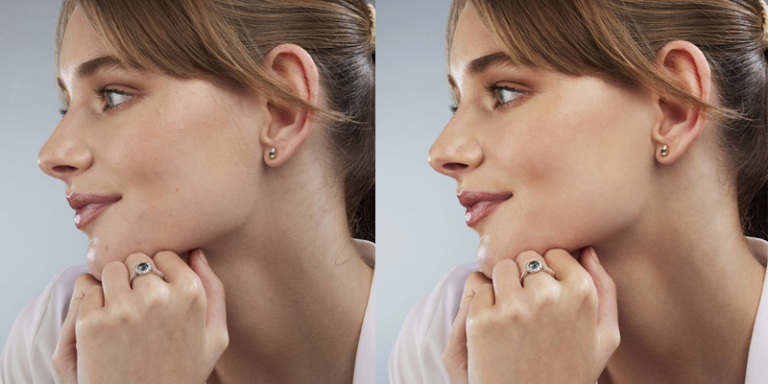
Key Takeaways

  • Image retouching covers skin, blemish, and distraction work, plus brightness, sharpness, and colour.
  • The goal is a polished result that still looks natural, not over-processed.
  • A good service offers customisation, revisions, and consistency across a batch.
  • Choose a provider based on portfolio and results in your niche, not on price.
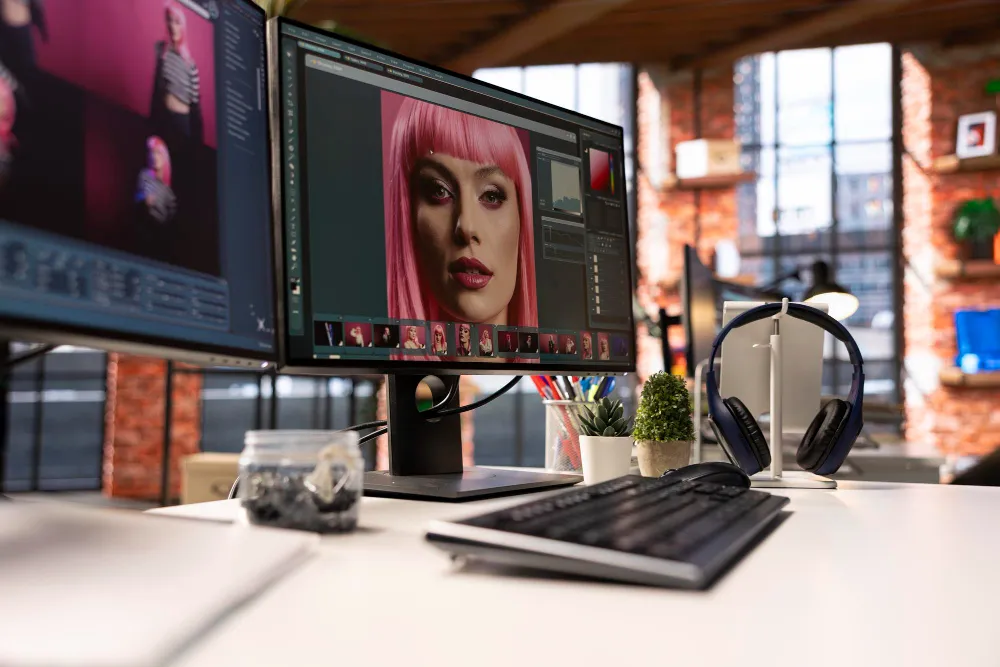
Image retouching is where technical precision meets a creative eye: the careful, detailed work that turns a good photo into a polished, professional one. Worried about wrinkles, blemishes, uneven skin, or a distracting background? These are exactly the things retouching handles. This covers what a professional image retouching service actually includes, and how to choose a provider that delivers natural, high-quality results.

What Image Retouching Includes

A full service covers a wide range of detailed edits: smoothing uneven skin tone and softening lines, clearing blemishes, acne, birthmarks, and other temporary distractions, brightening and sharpening for clarity, correcting skin discolouration, and enhancing eyes and overall glow. It can also handle specialised requests like removing a tattoo or a stray object. The common thread is refinement, cleaning up and perfecting without changing who or what the subject really is.

When Creativity Meets Precision

Good retouching requires a technical skill set and an artistic eye. The accuracy comes from techniques like frequency separation, dodge and burn, and careful masking, all done slowly and with real attention to detail. The creativity is in judgment: knowing what to enhance, what to leave, and when to stop. The best work balances the two, giving a result that is flawless in detail yet natural and believable, never obviously edited.

Natural Over Heavy

The mark of quality retouching is restraint. Clean every line and pore, and you get an artificial, plastic look that most people now dislike and that misrepresents the subject. Skilled retouchers keep natural texture and character, enhancing while keeping the person or product recognisable. Ask any prospective provider to show natural-looking results, not just dramatic ones.
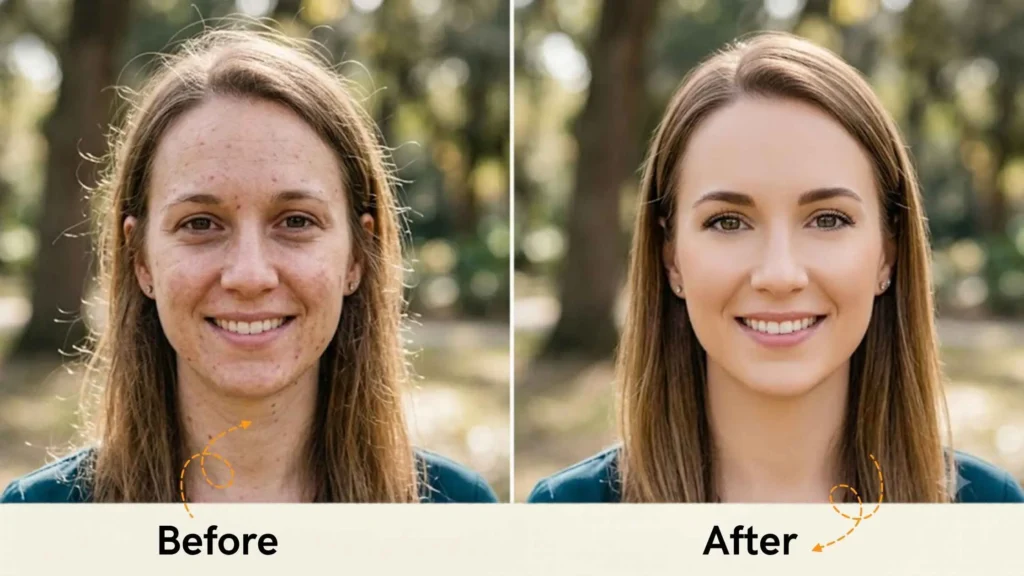
Image Retouching Services

What a Good Service Offers

Beyond the editing itself, a reliable service brings the things that make working with it smooth: customised editing to your needs, a clear revision process (ideally revisions included), consistency across large batches, quick turnaround, and confidentiality for sensitive images. These operational factors matter as much as raw skill when you rely on a service regularly.

Where It Is Used

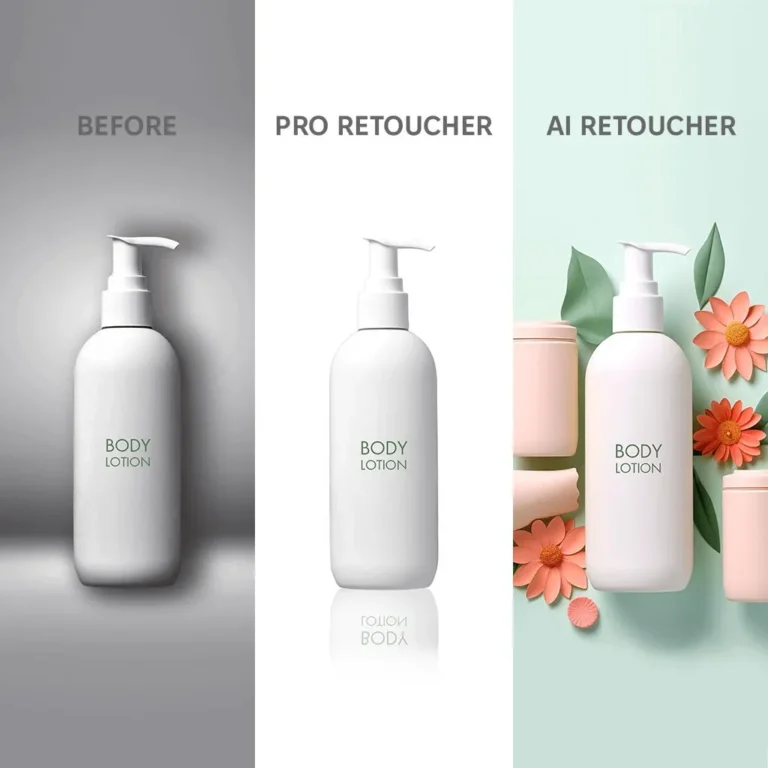
Retouching applies across almost every visual use case: e-commerce and product images, portraits and headshots, fashion and beauty, jewellery, real estate, and personal photos. Each has its own demands; product retouching differs from skin retouching, which differs from jewellery work. That is why experienced services either specialise or field editors with the right expertise for each type.

How to Choose a Provider

Choose on demonstrated quality, not price. Review the portfolio for work in your specific area and for natural-looking results. Check reviews, confirm turnaround and how revisions work, and ask about confidentiality if your images are sensitive. The most reliable final check is a small paid trial on a representative image, which shows real quality and consistency before you commit to volume.

Turnaround, Pricing, and Working Together

Beyond quality, the practical terms decide whether a service fits your workflow. Pricing is usually per image, per project, or by subscription; per image suits occasional needs, subscriptions suit steady volume. Confirm turnaround (many do 24 to 48 hours for standard work) and that it holds at your volume. Clarify how revisions work and whether they are included, so small fixes do not add friction. And for sensitive images, confirm confidentiality. Getting these clear up front, alongside a quality trial, is what makes an ongoing relationship smooth rather than a source of surprises.

Frequently Asked Questions

What does an image retouching service include?

Typically skin and blemish work (smoothing tone, clearing spots and distractions), softening lines, brightness and sharpness correction, colour and discolouration fixes, eye and glow enhancement, and specialised removals, all aimed at refining the image naturally.
Editing covers broad adjustments (crop, exposure, colour). Retouching is the detailed refinement (clearing blemishes and distractions, perfecting skin and texture). Most professional work uses both, editing first, then retouching.
Look for moderation in removing any distractions, but not in retaining skin’s innate character. Heavy smoothing creates a plastic look. Ask for natural-looking samples, not dramatic before-and-afters.
Customised editing, a clear revision process (ideally revisions included), consistency across batches, quick turnaround, confidentiality for sensitive images, and genuine editing skill.
Retouching is used across e-commerce, portraits and headshots, fashion and beauty, jewellery, real estate, and personal photography. Every one of these fields has its own needs, so it pays to find a provider who really understands yours.
Go by portfolio and reviews in your niche and by how natural the results look, not by price. Check turnaround time, revisions, and confidentiality, and try a small paid test before you commit.
Yes, and consistency is one of the clearest signs of quality. A good service holds every image to the same standard, which matters most for catalogues, campaigns, and team headshots.
Most services charge per image, per project, or by subscription. If you want to make changes once, paying by the image is the easiest choice. If you send photos for editing regularly, a subscription will probably save you money. Whichever plan you choose, look at a few things first: delivery, the revision policy, and how your files are kept secure.