Key Takeaways
- Promotional merchandise builds recognition by putting your logo into everyday use.
- It supports retention by showing appreciation and keeping your brand present.
- Publicly used branded items generate visibility and leads, and usually offer strong ROI.
- Great product visuals and mockups are what make merchandise appealing enough to work.
Grow Brand Recognition
The core purpose of promotional merchandising is recognition. Branded products, used and seen repeatedly, keep your logo and identity in front of customers and help you stand out. Consistent, well-designed branding on those items builds familiarity and trust over time, which is the foundation of a recognisable brand.
Support Customer Retention
Keeping existing customers costs less than winning new ones, and promotional items are a simple, tangible way to reward their loyalty. A thoughtful branded gift keeps your brand present in a customer’s daily life and reinforces the relationship, quietly nudging repeat business.
Generate Leads Through Visibility
When customers use branded products in public, like a tote, a bottle, or a notebook, they extend your reach to everyone who sees them. That everyday visibility acts as ongoing, organic, strong return-on-investment advertising that lifts awareness and creates new leads without spending extra per impression
Promotional merchandising offers a strong ROI in comparison to many ad channels: a single item can deliver impressions for months or years at a low cost per exposure. Because the branding lives on a useful object, it keeps working long after the initial spend, which is why merchandise remains a staple of marketing budgets.
The Role of Strong Visuals in Branding
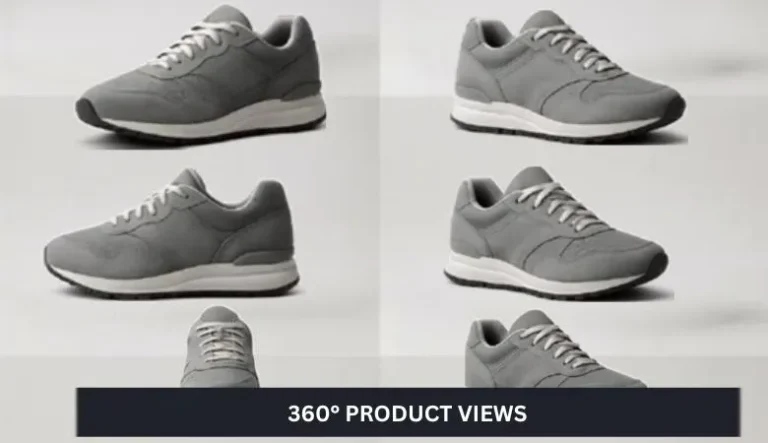
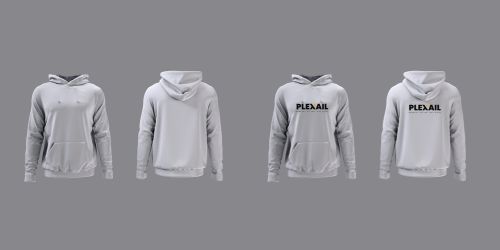
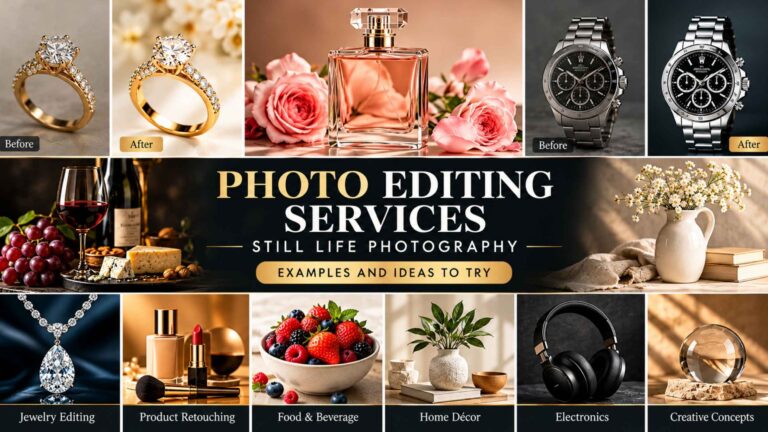
Merchandise only works if it looks good, and that is a visual job. Product recreation and rebranding, virtual sampling (seeing your design on a product before it is made), logo creation and mockups, and clean catalogue imagery all decide whether merchandise feels premium or cheap. Strong product visuals let you present and sell merchandise convincingly, online and in catalogues, before a single unit is produced. This is where image and design services directly support a merchandising programme.
Choosing the Right Products
How well merchandise works depends heavily on the item. The best picks are useful and used often: bags, drinkware, apparel, notebooks, because they are seen and used repeatedly, maximising exposure. Match the product to your audience: what a tech startup’s customers value differs from a wellness brand’s. Prioritise quality over quantity, since a cheap item that breaks reflects poorly on the brand while a well-made one keeps working for years. And make sure the branding is clean and well presented, which is where quality design, mockups, and product visuals decide whether the merchandise looks premium or disposable.