Key Takeaways
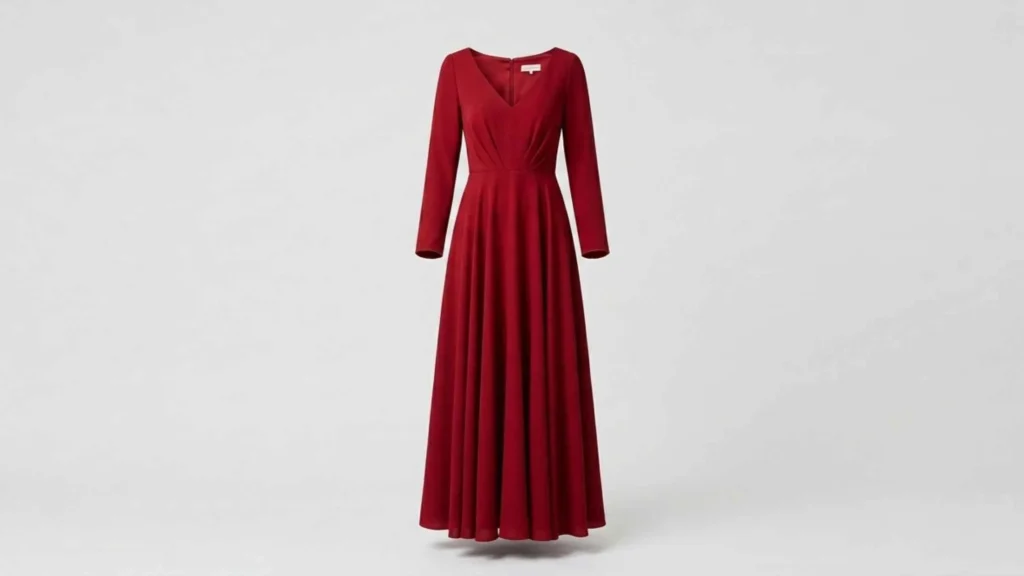
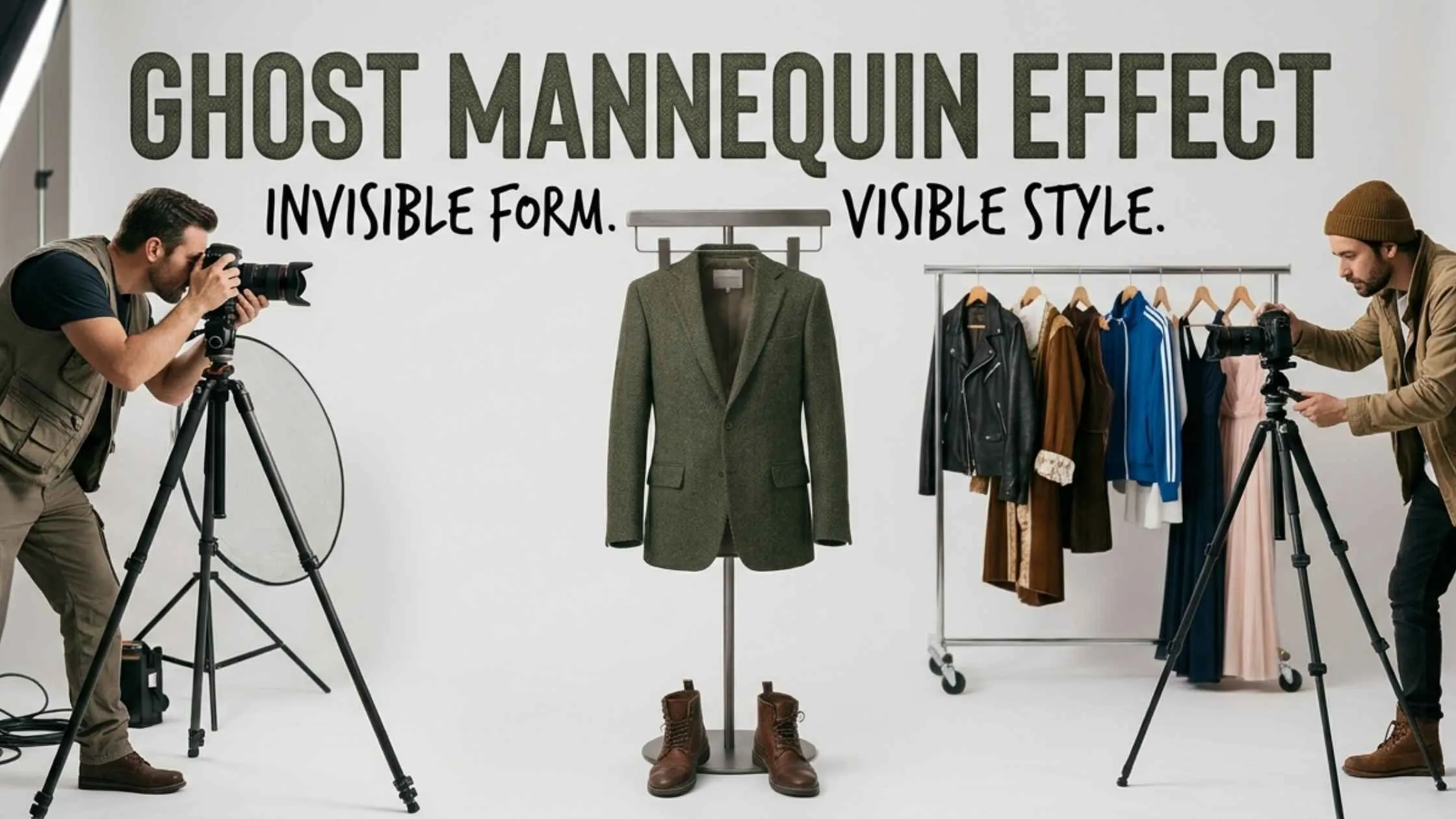
- The ghost mannequin effect makes clothing look like it’s being worn by an invisible person, with its natural shape intact and no model or mannequin in the final photo.
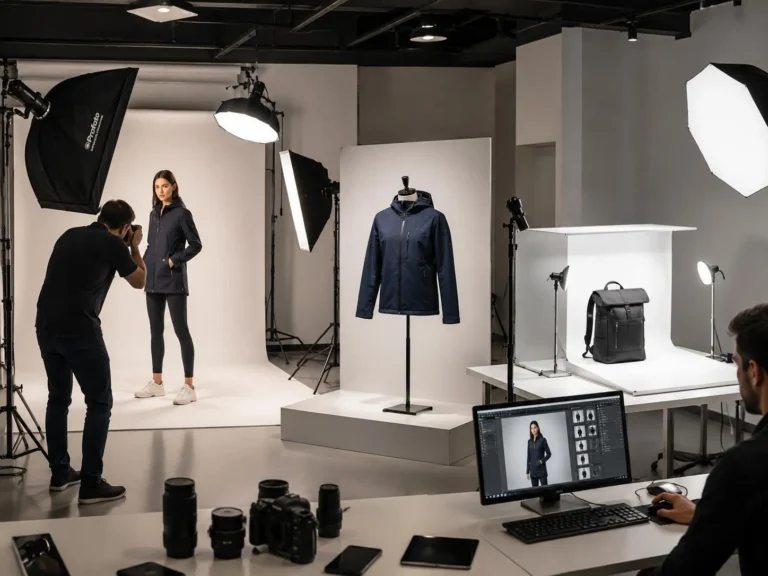
- The garment is photographed on a mannequin, and then the mannequin is edited out. The editor keeps the garment’s real shape and details inside, like the back of the neckline.
- This technique consistently outperforms flat lays and visible-mannequin shots for conveying fit and structure, which is why it’s become standard for online apparel retail.
- Getting it right requires careful attention to interior details (collars, necklines, cuffs) that a flat lay simply can’t show.
Online shoppers can’t touch fabric, try on a size, or turn a garment around in their hands. The photo has to do that job instead, which is why the ghost mannequin effect has become a standard technique in fashion and apparel photography: it shows how a garment actually fits and drapes, without a visible model or mannequin getting in the way.
What the Ghost Mannequin Effect Actually Is
The ghost mannequin effect (also called invisible mannequin or 3D mannequin effect) is a photo editing technique that makes a garment look like it’s being worn, with natural volume, drape, and shape, while showing no model or mannequin in the final image. The garment appears to float with the exact structure it would have on a real body, giving shoppers a far clearer sense of fit than a flat lay or a photo with a visible mannequin ever could.How It’s Created
The process starts with photographing a garment on an actual mannequin, capturing the front view with the garment properly fitted and styled. A second shot captures the interior, the neckline, collar, or hem, sometimes with the garment partially removed from the mannequin or shot separately, to get detail that would otherwise be hidden. In post-production, an editor removes all visible traces of the mannequin from the main shot and composites in the interior detail from the second shot, so the final image shows the garment’s true structure with no equipment visible anywhere in the frame.
This is a genuinely skilled compositing task, not a simple background removal. The editor preserves natural fabric behavior, shadows, folds, and texture, exactly where they’d fall on a real body, while making the mannequin disappear completely and cleanly.
Why It Outperforms Flat Lays and Visible Mannequins
A flat lay (a garment photographed laid flat) shows color and pattern but tells a shopper almost nothing about fit or how the piece actually sits on a body. A photo with a visible mannequin shows dimension, but the mannequin itself becomes a distraction, and it doesn’t convey how the garment would look on an actual person. The ghost mannequin effect solves both problems: real 3D shape and drape, with nothing in the frame except the garment itself.