Key Takeaways
- Airbrushing enhances a photo without transforming it. The subject should still look like themselves, just cleaner and more polished.
- Automated filters apply the same effect to everything. A professional decides how to handle light and shadow, and knows when to stop.
- E-commerce, fashion, real estate, and marketing businesses in Australia use it to keep their visuals consistent and credible.
- Fixing small imperfections in editing usually costs far less time and money than arranging another shoot.
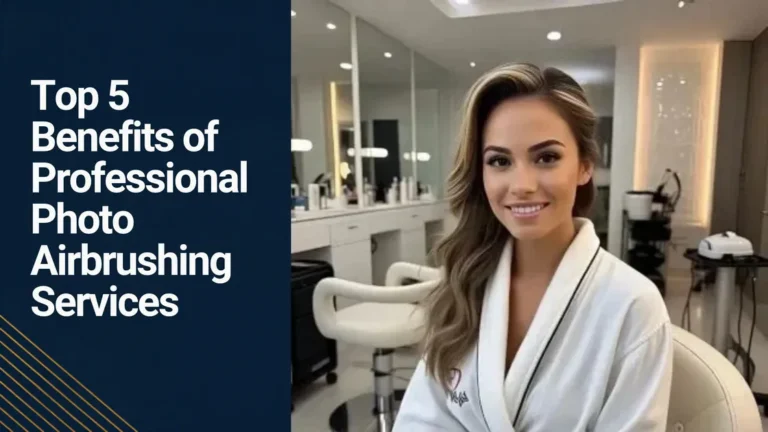
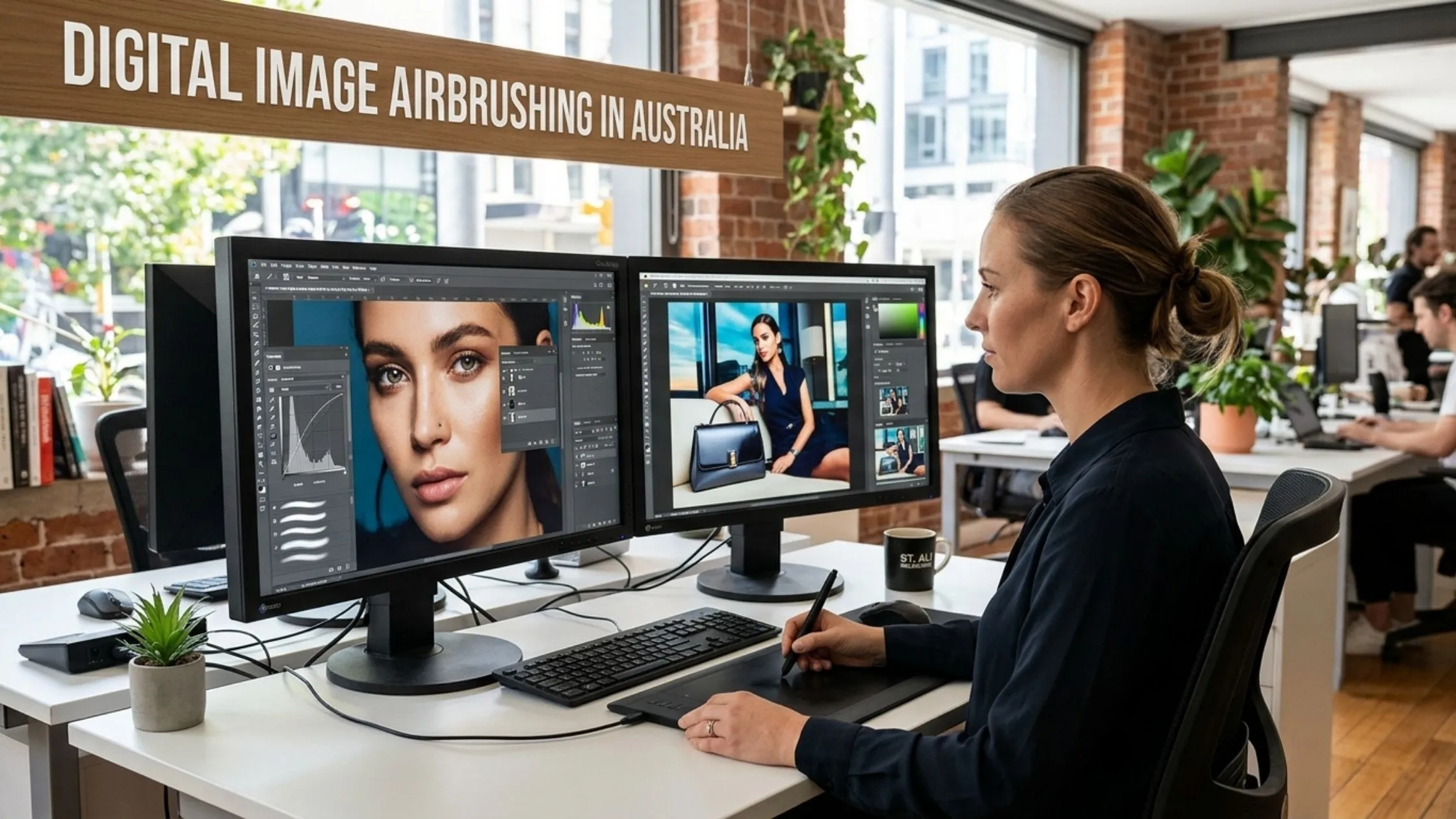
Digital image airbrushing is one of the most common ways Australian businesses polish a photo before it goes public. The aim isn’t to change what’s in the picture. The goal is simple: a clean, sharp, professional image that still shows what is really there. That might mean smoothing a few small skin flaws, brightening a dull shot, or wiping away specks of dust and little blemishes. It’s like giving a table a good polish. You’re making it shine, not changing its shape, so the picture still looks real. It just looks more finished.
How Digital Image Airbrushing Differs From Basic Photo Editing
Automated filters and one-click editing apps handle basic adjustments well enough for casual use, but they apply the same treatment regardless of what’s actually in the photo. Professional photo airbrushing, done by a skilled human editor, involves judgment calls: how light falls across a specific surface, where a shadow should naturally sit, how much correction a specific imperfection actually needs. This human touch is why businesses that need a polished, brand-consistent result trust experienced editors over automated quick-edit apps, since automation tends to either under-correct or overcorrect depending on the image, while a trained eye adjusts per photo.
Why Australian Businesses Rely on Digital Image Airbrushing
Online stores, fashion brands, real estate agencies and marketing firms across Australia use airbrushing to keep their images looking consistent and trustworthy. Clean, well-balanced photos suggest quality, influence how people feel about a product or property, and often whether they buy. First impressions are formed in seconds, so a series of polished images is more essential than a single great shot.
Save Time and Money With Professional Airbrushing
A reshoot eats up time and money. You have to find the location again, book the models, hire the equipment, and get everyone free on the same day. Fixing small flaws in editing skips all of that, so your budget stays on track and your photos are ready when you need them. Digital airbrushing services continue to grow in popularity among Australian businesses that need to move quickly without sacrificing image quality.