Key Takeaways
- Modern airbrushing is digital skin retouching. The goal is flawless but natural, not plastic.
- It builds a polished, professional image for headshots, branding, modeling, and business use.
- Outsourcing saves the hours skilled retouching takes and keeps a set of photos consistent.
- The best airbrushing is restrained. Keeping real skin texture is what separates good from overdone.
Photo airbrushing today is all about digital skin retouching. The technique helps smooth tone, soften blemishes and lines, and balance imperfections while keeping the natural look intact. When done well, it is invisible; the photo just looks like a great version of a good day. If done badly, it is the plastic, over-smoothed look everyone recognises. Here are five real benefits of professional airbrushing, and why ‘natural’ is the standard that matters.
Five Benefits of Professional Photo Airbrushing Services for Business
1. Flawless Skin That Still Looks Real
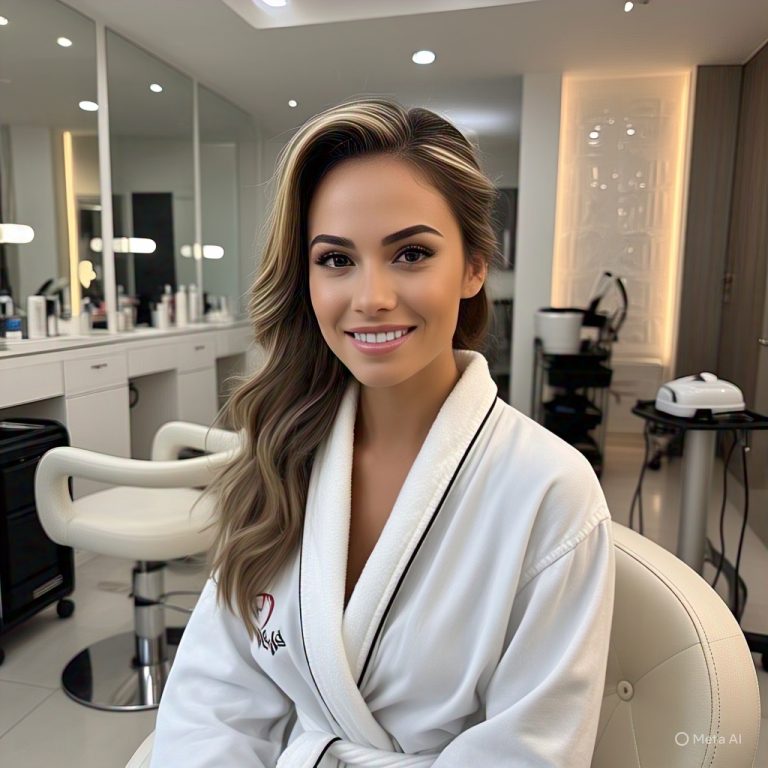
Good airbrushing evens out skin tone, softens lines, and clears temporary blemishes while keeping natural skin texture. The Great results come from knowing what to overlook; a professional clears the distractions without wiping out the detail that makes skin look real. The element that separates expert retouching from an artificial, over-smoothed look is the balance, finishing, and natural look that emerge when the process is completed.2. A Stronger Professional Image
Polished portraits build trust, which matters for headshots, personal branding, modeling portfolios, real estate agents, and business profiles. A clean, professional image signals that you take your presentation seriously, and online, that first impression often comes from a single photo.3. A Convenient Way To Save Time
Quality skin retouching is slow and fiddly to do well: frequency separation, dodge and burn, careful blemish work. Handing it to professionals removes hours of work and returns finished, ready-to-use images, usually with a quick turnaround, so your time goes to the work that actually needs you.4. Ensuring Every Image Works Together
For a team’s headshots, a lookbook, or a campaign, consistency matters as much as any single image. Professional airbrushing applies uniform lighting, skin treatment, and tone across the whole set, so the group looks cohesive and on brand rather than edited by different hands to different standards.5. More Confidence in Your Photos
People simply feel better about photos they are happy with, and confidence shows. A well-retouched image, one that looks like you on your best day, makes people more comfortable using it for a profile, portfolio, or brand; that means the photo actually gets used instead of hidden away.The Line Between Enhancing and Overdoing
The most important thing in airbrushing is knowing when to stop. Erase every line and pore, and you get an unnatural, mannequin look that most people now find off-putting, and that can misrepresent someone. Skilled retouching enhances while keeping the person recognisable and human, which is why an experienced editor’s judgment matters more than any single tool.How to Prep Photos for Airbrushing
Better source photos mean better, more natural airbrushing. Harsh light exaggerates blemishes and shadows, making retouching difficult, so shoot in soft and even light. Capture in RAW at high resolution so the editor has maximum detail to work with. Keep makeup and styling fairly natural if you want flexibility, because it is easier to add polish than to undo a heavy in-camera look. And give a clear reference for how natural or polished you want the result; one instruction that does more than anything to keep the outcome looking like you rather than someone else.Frequently Asked Questions
What is photo airbrushing?
Photo airbrushing is digital skin retouching that includes smoothing out tone, softening blemishes and lines, and evening out imperfections in software. The name comes from the old physical airbrush technique, but modern airbrushing is digital.
Does airbrushing make people look fake?
A person might look fake only when it’s overdone. Good airbrushing helps maintain natural skin texture and clears just the distractions, so the person still looks like themselves. The plastic look comes from over-smoothing, which skilled retouchers avoid.
What is the difference between an airbrush and retouching?
Airbrushing usually means skin smoothing, while retouching is the broader refinement of an image (blemishes, texture, distractions, colour). Airbrushing is one part of retouching.
Who needs airbrushing services?
Anyone whose image represents them: professionals needing headshots, models, real estate agents, businesses building a brand, and people wanting polished portraits for profiles or portfolios.
How do I keep airbrushed photos natural?
Ask for restraint: keep skin texture, clear only temporary or distracting imperfections, and avoid heavy smoothing. A good retoucher enhances subtly rather than erasing every detail.
Can airbrushing be applied consistently across many photos?
Yes, and it should be for team headshots, lookbooks, or campaigns. A professional applies the same skin treatment, lighting, and tone across the whole set for a cohesive result.
Is professional airbrushing worth it over DIY?
For important or high-volume images, usually yes. Quality skin retouching is slow and easy to overdo, and professionals deliver natural, consistent results faster than most people can themselves.
What photos work best for airbrushing?
High-resolution shots taken in soft, even light give the editor the most detail and the most natural result. Harsh lighting and low-resolution images make good, subtle retouching harder.