Key Takeaways
- Do not choose on price alone. Experience and edge quality beat the cheapest quote.
- Confirm turnaround. Delays hurt e-commerce and real estate listings instantly.
- Insist on quality control. Multiple checks before delivery prevent rough, unusable cutouts.
- Understand the full pricing (revisions, formats) and check that support is responsive.
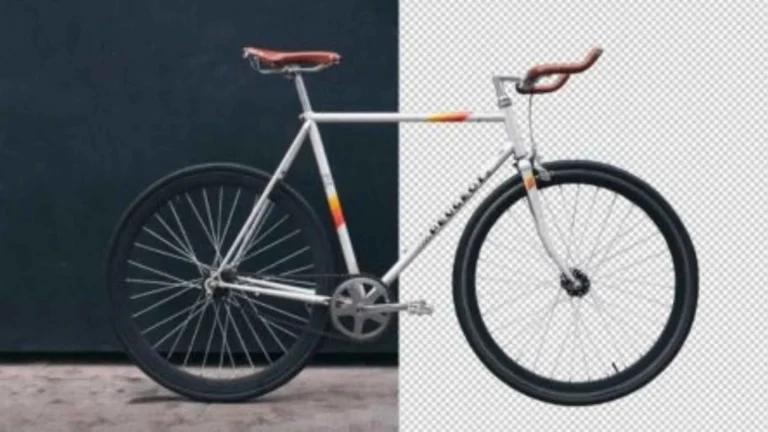
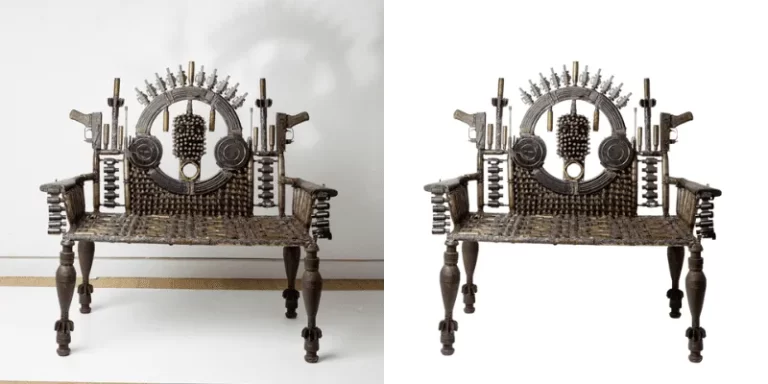
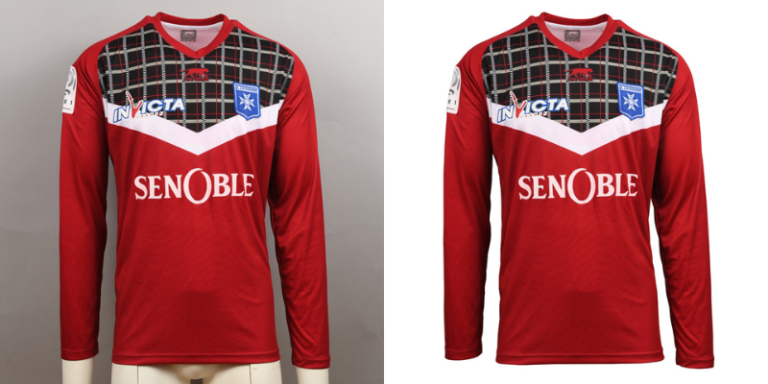
A clipping path is a precise, hand-drawn outline that separates a subject from its background, the foundation of clean product cutouts, white background, and professional e-commerce images. Choosing the right clipping path service matters, because a poor one costs you time, money, and inconsistent results across your catalogue. Here are the five mistakes businesses mostly make when picking one, and how to dodge them.
What a Clipping Path Is, understood in short
A clipping path is a vector outline drawn around a product so the background can be removed cleanly and the subject can be dropped onto white or any new backdrop. It is the sharpest, most controllable way to cut out products with defined edges, which is why e-commerce leans on it. The distinctive feature of professional services is the accuracy of their paths; they should have neat edges without any halos or jaggedness.1. Neglecting Experience and Skill
Selecting based solely on price means you lose out on the experience needed for a perfect clean line. The intricacy of the line requires skills. Review samples of previous work in your niche and check that the provider has real experience, not just a low rate. Cheap, inexperienced work usually costs more once you start redoing it.2. Skipping Turnaround
Time is money, and slow delivery can stall an e-commerce launch or a listing. Confirm a specific turnaround before you commit, and make sure they can handle your volume, not just a small sample.3. Managing Quality Control
If there is no quality control in place, you end up with distorted or inconsistent cut-outs: irregular lines, poor features, inconsistent results in the whole series. Ask how they QC, especially for large batches, where consistency is hardest.
4. Not Understanding the Pricing
Look past the headline rate. Are revisions free or charged? Are special file formats or complicated paths the exception? Unclear pricing means surprise expenses. A transparent provider will tell you clearly what a quote covers.5. Forgetting Customer Support
Responsive support matters when you need a revision, have a rush job, or something goes wrong. Test how quickly and clearly a provider replies before you hire them, since slow or vague responses rarely improve once you are a paying client. Any one of these five on its own may be minor, but two or three together are a reason to keep looking.Clipping Path vs Other Cutout Methods
A clipping path is not the only way to remove a background, and knowing when to use each helps you brief a service right. Clipping paths (vector outlines) suit clean, hard edges, boxes, bottles, gadgets, furniture, and give crisp, reusable cutouts. Image masking suits soft or intricate edges, including hair, fur, fabric, and transparency, where a hard path would look unnatural. Complex products often need both: a path for the solid body, masking for the wispy parts. A good service picks the right method for each image rather than forcing one on everything, so ask how they handle both hard and soft-edged products.