Key Takeaways

  • Work out exactly what you need first, basic editing, retouching, clipping paths, restoration, before you compare anyone.
  • The portfolio tells you more than the pitch. Look for before and after samples in your niche.
  • Turnaround, clear pricing, and quick communication are what separate a real partner from a cheap one.
  • Confirm confidentiality and a revision process before you send real work.

India has become one of the main hubs for outsourced photo editing: strong technical skill, big trained teams, competitive pricing, quick turnaround. The catch is that the gap between the best providers and the rest is wide, and picking on price alone is how businesses end up with inconsistent, disappointing work. These six checks are the ones that actually predict whether a service, in India or anywhere, is worth hiring.

Start With What You Actually Need

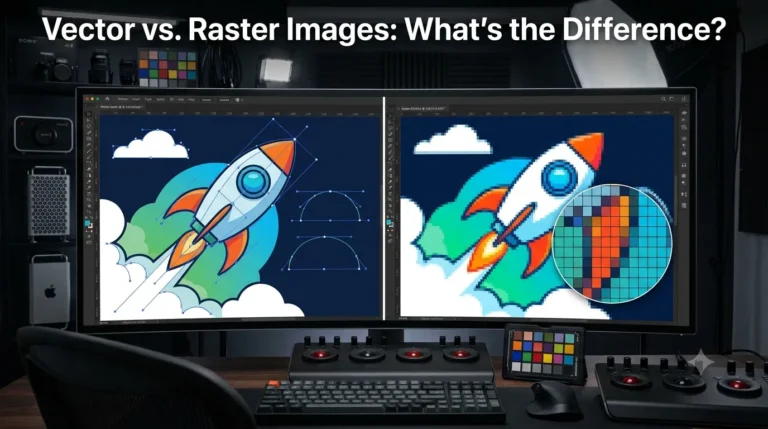
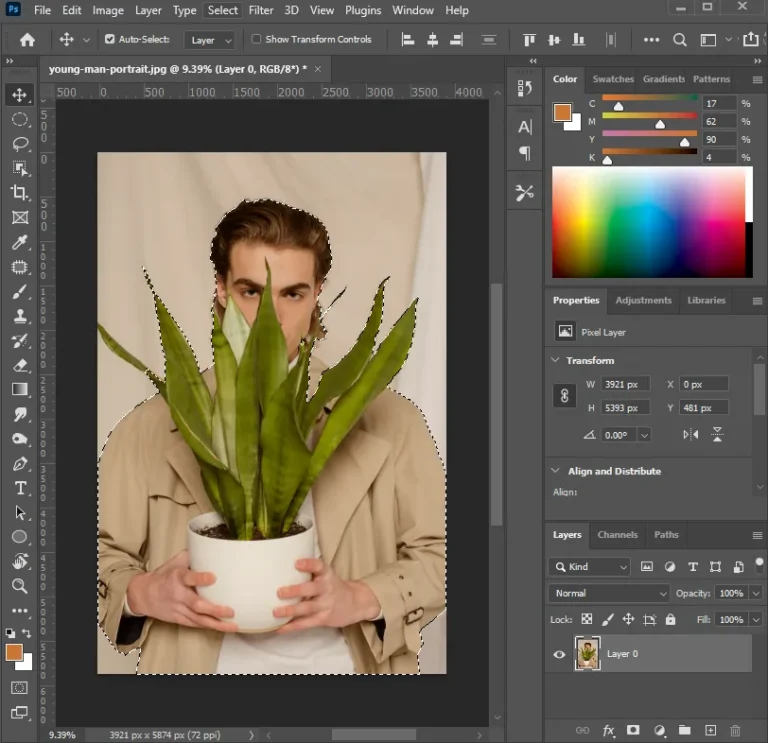
Before you shortlist anyone, get clear on the job. Simple adjustments (crop, colour, exposure)? Advanced retouching? Background removal and clipping paths? Ghost mannequin work, or old photo restoration? Different providers are good at different things, and knowing your requirement lets you judge fit instead of getting sold a generic package.

Read the Portfolio

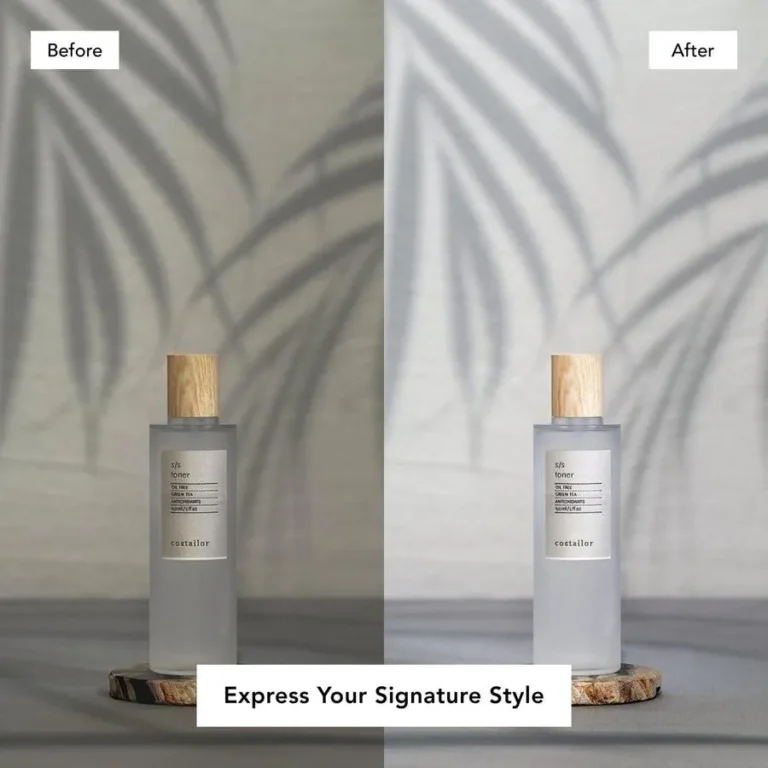
A portfolio beats any sales page. Look for real before and after work in your specific niche, product, fashion, real estate, jewellery, portraits, because skill does not transfer neatly between them. A team strong on e commerce cutouts can be weak on skin retouching, and the reverse. If they cannot show relevant samples, treat that as a warning.

Check Reviews and Reputation

Independent reviews tell you about consistency over time. Look for feedback on the things that bite day to day: quality holding up across big batches, deadlines actually met, and how the provider handles revisions and mistakes. A few detailed, specific reviews are worth more than a wall of generic five stars.

Confirm Turnaround and Capacity

Turnaround matters for one off jobs and even more for bulk work. Ask for a specific commitment. If you have ongoing volume, confirm they can genuinely handle it, because a team that does ten images well can struggle with five hundred a week to the same standard. Capacity at scale is exactly where cheap services fall over.

Understand the Pricing

Look for clear pricing and no surprises. Know what is included: how revisions are billed, whether specific techniques (HDR, virtual staging, ghost mannequin) cost extra, and whether volume discounts apply. Per image, per project, and subscription each suit different needs, so match the model to your actual volume.

Test Communication and Confidentiality

You will be working across time zones, so responsiveness counts. Notice how quickly and clearly a provider replies before you have paid anything, since it rarely improves later. And if your images are sensitive (unreleased products, client photos), get confidentiality in writing. A short paid trial on a small batch is the most reliable final test before you commit to volume.

Outsource, or Keep It In House?

Worth deciding before you pick a provider at all. In house gives you direct control and instant tweaks, and it makes sense when volume is low or your style keeps changing. Outsourcing wins on cost, scale, and turnaround: it turns fixed overhead into a predictable per image cost and lets a trained team handle big batches consistently. For most businesses with steady or seasonal volume, a hybrid works best, quick or sensitive edits in house, the bulk to a service.

Frequently Asked Questions

Why do businesses outsource editing to India?

For the mix of skilled editors, large scale capacity, competitive pricing, and fast turnaround helped by the time difference, work sent at end of day can be ready by morning.
By its portfolio in your niche (before and after samples), independent reviews, and ideally a small paid trial. Skill does not transfer neatly between niches, so relevant samples matter most.
Exactly what you need, basic editing, retouching, clipping paths, ghost mannequin, or restoration, plus your volume and turnaround. That lets you judge fit rather than getting sold a generic package.
Commonly per image, per project, or by subscription. Per image suits occasional work, subscriptions suit steady volume. Confirm how revisions and special techniques are billed.
Very, especially for e commerce and real estate where delays cost sales. Ask for a specific commitment and, for ongoing work, confirm they can hold it at your volume.
Yes, if your images are sensitive. Get confidentiality terms in writing before sending real work to any external provider.
A small paid trial on a representative batch. It shows real quality, turnaround, communication, and how they handle revisions, far better than a portfolio alone.
A capable freelancer can be great for occasional, low volume work with easy coordination. A service suits steady or high volume needs, since it brings the capacity, consistency, and package pricing to handle scale without slipping, and cover if one editor is unavailable.