Key Takeaways
- A purely white background is crucial. The product should occupy most of the space in the background with logos, props, or text.
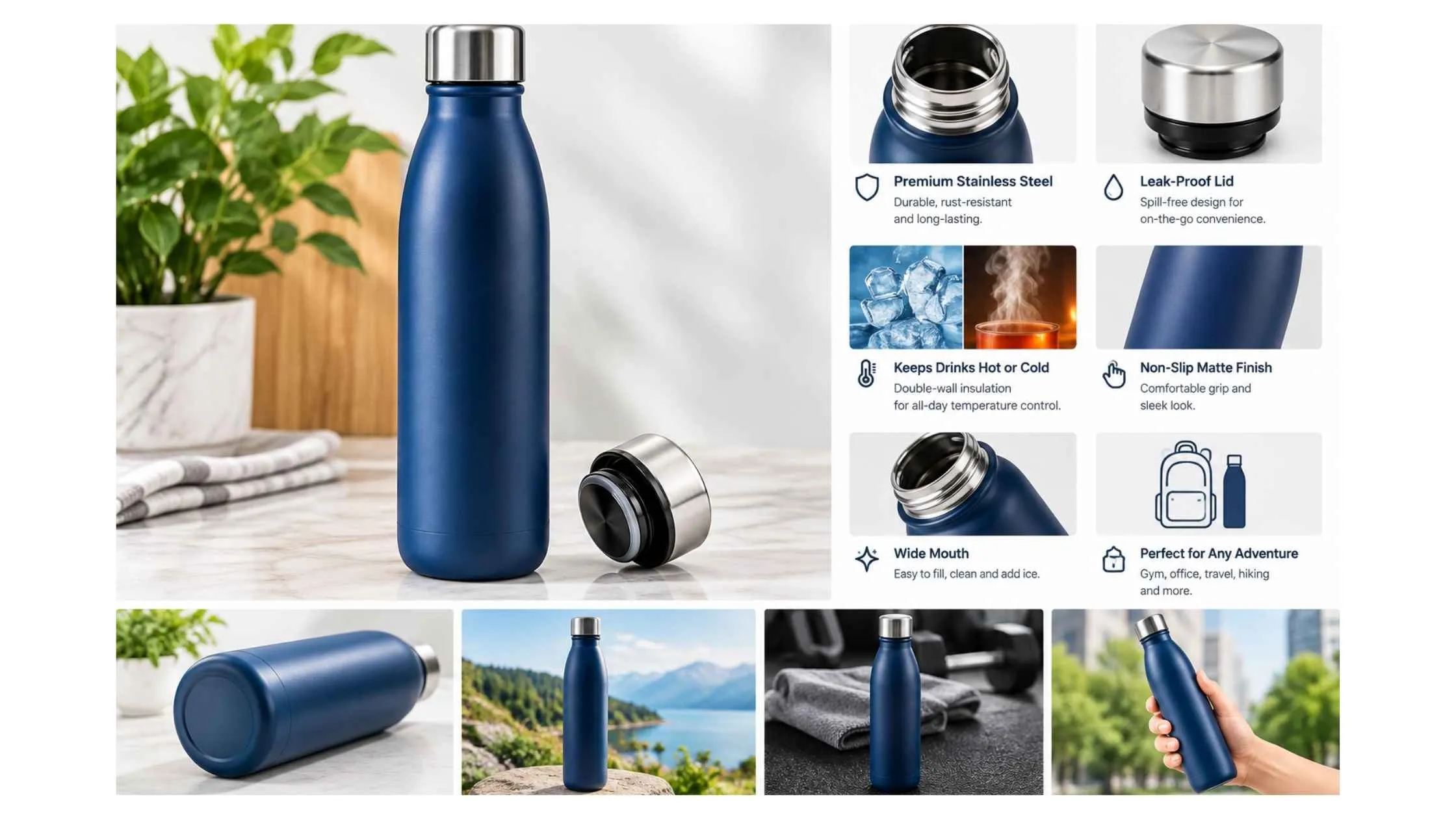
- Other images help the buyer make a choice, answer their questions, and satisfy their curiosity. They include infographics, lifestyle, scale, and product packaging.
- Compliance protects your listing. One should be careful not to make mistakes with the background and image resolution.
- Not only does the visual appeal matter, but so do consistency and speed. The same applies to Amazon listing photography services. It becomes worth outsourcing when managing multiple SKUs or highly competitive niches.
When shopping on Amazon, a customer cannot touch or hold a product. The images are all they have to go on, which is why Amazon product photography matters so much. Clear, accurate pictures reassure shoppers that they are making the right choice, and that helps sales. Amazon can also suppress a listing whose main image breaks its rules, so a poor photo can cost you more than a lost sale.
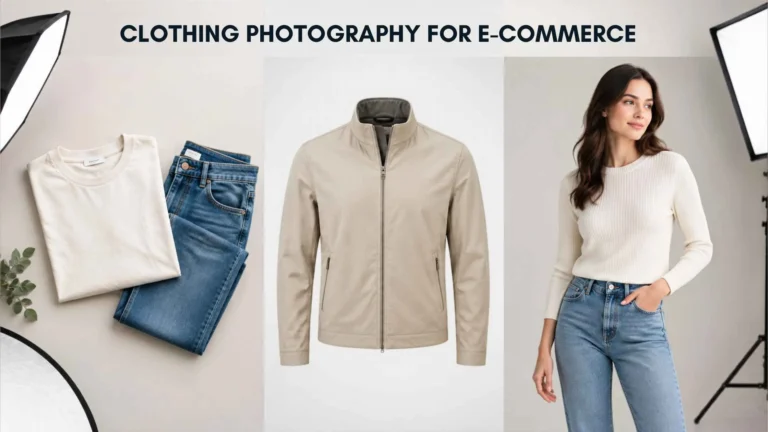
The Amazon product photography services you hire should deliver professional product photography that looks good and also follows Amazon’s guidelines. The photos should tell a story about the product and make it stand out from the competition. A full set includes lifestyle, infographic and other image types that answer the questions shoppers ask before they buy. For a wider look at building a catalog, read our guide to creating high quality product photos for ecommerce stores
Amazon’s Image Requirements
A beautiful photo will not get the job done if it does not meet Amazon’s image requirements. Any seller must know the difference between mandatory and optional requirements.
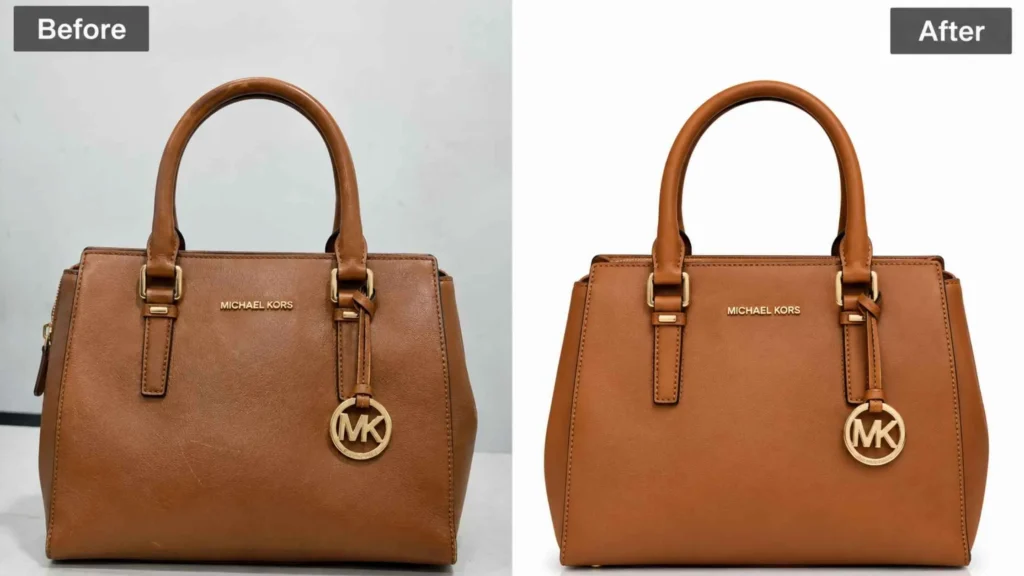
First, a white background is necessary for Amazon. A white background means pure white with an RGB value of 255, 255, 255. The image must not contain any irrelevant objects, text, graphics, watermarks, etc. The product itself should fill about 85% of the frame. Additionally, make sure that all product features are visible and that the image is not cropped at the edges. If your original photos were not shot on white, a clipping path service or background removal service can isolate the product and place it on pure white without a reshoot.
Image size matters too, because the zoom feature only works when the file is large enough. Aim for at least 1,000 pixels on the longest side, and 1,600 pixels or more for a sharper zoom. Different categories can have different rules for pixel size and resolution, so check Amazon’s guidance for your category before you export. Keep the files compressed as well, since heavy images slow down pages on your own store, as we explain in optimizing load times with edited product images.
Types of Images That Sell
A listing with several strong images tends to outperform one with a single strong shot. The reason is that different buyers have different questions, and each image targets specific concerns.
| Image type | Purpose | What to show |
|---|---|---|
| Main image | Earns the sale in search results | Pure white background, no props or text |
| Infographic | Conveys the information at a glance | Materials, benefits, and key specifications |
| Lifestyle | Helps shoppers picture ownership | Product in real-life use |
| Scale | Helps to estimate the product’s size | Product beside a familiar object or a hand |
| Packaging | Builds trust and sets expectations | Box, contents, and what is included |
| A+ content | Tells the brand story below the fold | Banners, comparison charts, and detail shots |
Lifestyle and infographic images take more work after the shoot. Shadows should look natural, which our post on natural shadow effects for product images explains, and lifestyle scenes need backgrounds that support the product instead of competing with it. For ideas, see creative backgrounds for product photography
What a Good Service Should Deliver
In addition to capturing outstanding images, the ideal product photography service must provide the customer with a positive experience that will save them time and effort. Here is a list of expectations:
- Compliance-focused white background product photography that will pass Amazon’s checks the first time.
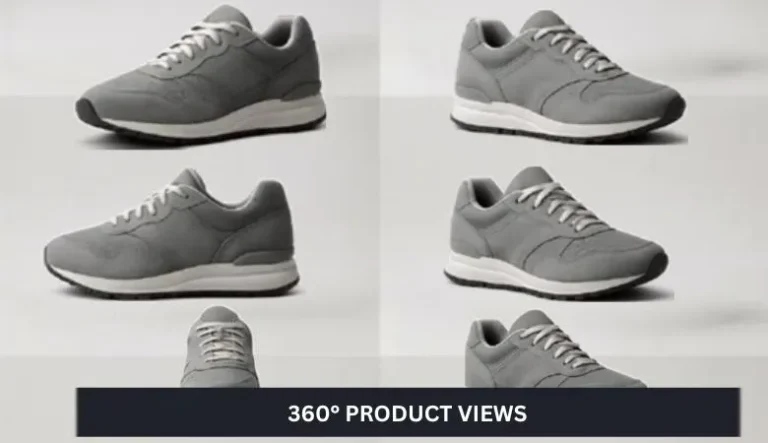
- Similar images, same angles, lighting and colors across all SKUs so your catalog looks visually appealing.
- Fast turnaround with set deadlines.
- Fair revisions and changes and proper file formatting to upload.
Shooting is only half the job. Retouching, cutouts and color matching decide whether the final files pass Amazon’s checks. Our ecommerce photo editing services and photo retouching services handle that step for sellers who need consistent files across many SKUs.
Common Amazon Photo Mistakes
- Adding props, text, logos or watermarks to the main image.
- Using an off-white or light gray background instead of pure white (RGB 255, 255, 255).
- Letting the product fill too little of the frame, or cropping it at the edges.
- Uploading small files that block the zoom feature.
- Letting colors drift from the real product, which leads to returns and bad reviews.
- Retouching so heavily that the item no longer looks like the one that ships.
DIY vs. Hiring a Service
Shooting your own products can work, particularly when the range is small and simple.
| Factor | DIY | Hiring a service |
|---|---|---|
| Cost | Initial cost is low | Per-image or per-product fee is charged |
| Time | Hours per product, including editing | Handled for you |
| Quality | Varies with skill and equipment | Consistent, studio-grade |
| Compliance risk | Higher | Lower |
| Best for | A handful of simple products | Many SKUs or competitive categories |
If you are still deciding, our comparison of outsourcing vs in-house ecommerce photo editing shows where the costs tip. A DIY setup with a lightbox and a good phone can be enough for a handful of simple products, but the time per product adds up fast once your range grows.
How to Choose an Amazon Photography Service
Here is a list of things to ask before you get started:
- Ask to see portfolio of white background compliance photography and secondary image creation.
- Inquire about their experience with the category you sell. Different products require different expertise, such as jewelry, clothing, or glossy surfaces.
- Find out if photographers offer unlimited revisions or set a fair number per SKU and how fast they are.
- Get transparency on the payment details and ensure that no hidden costs are present for editing or file format conversion.
- Make sure there is a set deadline for getting all photographs ready, ideally per hundred SKUs.
- Start with a test. Plexail offers a free sample so you can judge the quality on your own product before ordering a full batch.