Key Takeaways
- Start by learning the basics, then choose your niche, build a portfolio and find clients.
- Clients want to see your work.
- Most people will need to practise regularly for months before they start to get paid work.
- Lighting is far more important than an expensive camera.
- Pricing and marketing are just as important as shooting.
Introduction
Have you ever taken an image that has made someone pause and take a second look? If so, then you are on the right track. Learning how to become a professional photographer takes practice, but you don’t need an expensive camera or a formal qualification.
If you want to become a photographer, this guide walks you through each step, from learning the basics to finding your first paying clients.
What Does a Professional Photographer Do?
Most people picture someone with a camera always in hand when they ask what a photographer does. However, professional photographers have many more skills.
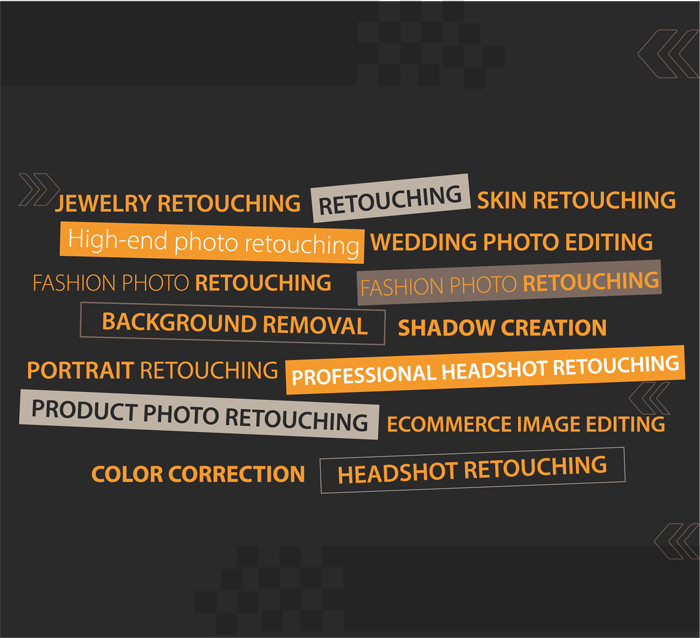
Professional photographers plan shoots, use lighting, work with clients, compose shots, edit the photographs and provide finalised files. Many also hand the editing stage to a specialist photo editing service to save time. Depending on their niche, they take different types of photographs such as weddings, product shots, family shots, events, food and commercial.
There is a business side, too. This can include replying to inquiries, creating quotes, managing contracts, tracking costs and promoting.
A wedding photographer’s responsibility is not just to show up on the day. They talk to the couple to find out what they expect, plan the schedule, make sure everything is in order, take key shots, edit hundreds of photos and provide a finalised gallery.
Professional photography is a creative line of work, and clients pay for your services, but they also value a photographer who is transparent and reliable
How to Become a Professional Photographer in 5 Steps
Follow these five steps in order. You can revisit any of them as you grow.
Step 1: Learn Photography Fundamentals
Learn your exposure triangle first.
- Aperture: How wide the lens opens.
- Shutter speed: How long the sensor receives light.
- ISO: How sensitive your camera is to light.
Learning composition and lighting is crucial. Lighting alone from a window can teach you a lot.
There are lots of ways to become a photographer without spending even a penny, such as online tutorials on YouTube, books from the library or practising every day. For paid options, you can look into online courses, classes in your local area and weekend workshops. Both approaches work best when combined with regular practice.
Step 2: Choose Your Photography Niche
Having a clear niche makes you more memorable, while offering too many different types of photography can make it harder for people to recommend your work.
| Niche | What you shoot | Earning note |
|---|---|---|
| Weddings | Wedding ceremonies, couples, and special occasions | Well paid but often busy and seasonal work |
| Portraits and family | Professional headshots, family portraits, and graduation photos | Offers opportunities for repeat bookings and shorter sessions |
| Real estate | Property interiors, homes, and spaces listed for sale or rent | Can bring regular assignments, often with quick delivery deadlines |
| Product | Online store products | Can result in long-term projects with businesses and e-commerce brands |
| Events | Birthday parties, corporate gatherings, and other special occasions | Referrals and repeat clients can help you secure regular bookings |
Editing needs differ by niche. Wedding, real estate and product photographers often rely on specialist wedding photo editing, real estate photo editing or e-commerce photo editing support to keep up with delivery deadlines.
Choose what excites you the most. You can always change your mind later.
Step 3: Get the Right Photography Equipment
Begin by using what you have. Learn how to get the best results from your equipment.
- A camera, or a phone with a good camera
- A versatile lens
- Extra memory cards and batteries
- A computer or laptop
- Software to edit your photos
If you are still choosing an editor, our round-up of the best photo editing software compares the main options.
As you progress, you might want to invest in a tripod, lighting, reflectors and extra lenses. If you are unsure what camera to buy, consider hiring some equipment first.
Don’t forget to factor in the extra costs. You may need to pay for storage, repairs, software, transport, and extra equipment.
Step 4: Build a Portfolio
- Start with personal projects. Take photos of your street, friends or local market.
- Try some TFP shoots (time for prints). This means taking photos of someone, such as a model or small business owner, for free. You can then use those photos in your portfolio.
Create an attractive portfolio of 10 to 15 high-quality photos in the same style. Put them on a simple website and post them on Instagram. Quality over quantity!
Step 5: Set Prices and Find Clients
Pricing can be confusing, so keep it simple. Add up all your expenses, then add a small amount of profit. Check what other photographers in your area are charging.
Get your first clients by word of mouth, and become active on social media. You could also offer to assist established photographers to gain recognition. Don’t forget to contact local businesses too.
Do You Need a Degree or License to Become a Professional Photographer?
Most clients will not ask for a formal qualification in photography. They will look at your portfolio, reliability, style and whether you can produce what they want.
Still, depending on your location, there could be different requirements. You may have to register a company and pay taxes. You may also need permission if you are working in certain restricted areas. If you are into drone photography, there will be further requirements.
Check your local requirements before taking any jobs. If you are planning to work abroad, check the rules of the country you will be working in.
Although a degree or certificate can offer structure and useful connections, there are other ways into the industry, such as hands-on experience, assisting another photographer or teaching yourself.
Need Help Editing Your Photos?
Once you start shooting for clients, consistent editing keeps your delivery on time. Plexail’s Lightroom editing services team can handle colour correction and retouching so you can focus on shooting. Call +91 9819259097 or email info@plexail.com.