Key Takeaways
- Photoshop and Lightroom are still the standard: Photoshop for detailed editing, Lightroom for processing big shoots.
- Affinity Photo and Capture One are the best paid alternatives, and Affinity is a one time buy.
- Luminar Neo leans on AI for fast, impressive edits, also a one time purchase.
The right editing software comes down to what you shoot, how much control you want, and what you will pay, subscription or one time. This is an updated 2026 rundown of the tools worth a look, from the professional standard to strong, cheaper alternatives, with a note on who each suits. (For browser tools you do not install, see our separate guide to online photo editors.)
Choose a tool based on your budget and workflow. More features is not better if you never use them.
The Ten Worth Considering in 2026
1. Adobe Photoshop
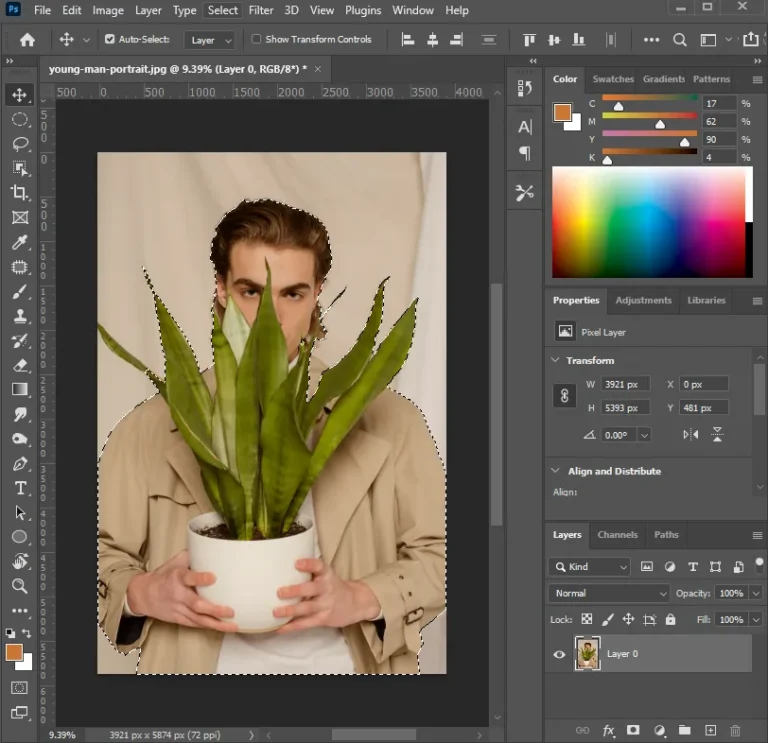
The professional standard for detailed editing, retouching, compositing, and masking. Deep, powerful, subscription based. If you need pixel level control, this is the benchmark.
2. Adobe Lightroom
Built for photographers managing lots of images: cataloguing, non destructive processing, consistent batch edits. Simpler than Photoshop and its natural partner.
3. Luminar Neo. Skylum’s AI forward editor
Fast, impressive one slider enhancements and creative tools, available as a one time purchase.
4. Affinity Photo
A genuinely capable Photoshop alternative with layers and masking, sold once rather than by subscription. The best value pick for many.
5. Capture One
A pro RAW processor prized for colour and tethered shooting. Popular with studio and commercial photographers who want great colour plus cataloguing.
6. DxO PhotoLab
Strong RAW processing with good noise reduction, and precise lens correction capabilities. A favourite for image quality and clean high ISO files.
7. ON1 Photo RAW
An all in one editor and organiser with a one time purchase option, pitched as a Lightroom plus Photoshop alternative.
8. PortraitPro
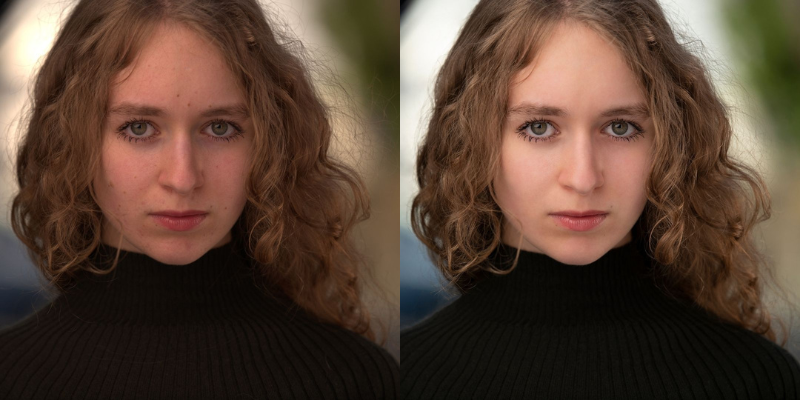
Specialised portrait software for skin, wrinkle, and makeup work. Best choice for portraits and headshots photographers.
9. GIMP
The leading free, open source editor. Layers and advanced tools at no cost, with a steeper learning curve. The best free desktop option.
10. Photoshop Elements
A simpler, one time purchase version of Photoshop for hobbyists who want guided edits without the full subscription.
How to Choose
Four questions decide it: your skill level, subscription or one time purchase, whether you mainly process RAW or do detailed pixel work, and your budget. Pros often run Lightroom plus Photoshop. Enthusiasts frequently do better with Affinity Photo or Luminar for the value. Do not pay for depth you will never touch.Free or Paid?
You don’t need expensive software to create high-quality edits. GIMP (desktop) and Photopea (browser) offer layers and advanced controls for free, at the cost of a steeper learning curve and no official support. Paid software earns its price through polish, speed, better RAW processing, and, with Adobe, a tight Lightroom plus Photoshop workflow. A practical rule: start free to learn what you need, then pay for the specific strength you keep missing.