If you’re editing your own photos, you’ve got two real options. Free browser-based tools that handle quick fixes yourself, or a professional photo editing service that handles volume and consistency for you. Both have a place. Here’s an honest look at five solid online editors, and where each one hits a wall.
Key Takeaways
Fotor combines one-click AI enhancement with more advanced manual controls, so it works whether you want a fast fix or full control over the edit. The Magic Eraser object removal tool is genuinely good, and it handles RAW files, which a lot of free editors don’t.
Free tier limits: AI features and exports are watermarked unless you upgrade. Fotor Pro starts around $8.99 a month.
Best for: Portraits, quick product touch-ups, and everyday photo cleanup where you don’t need pixel-level precision.
Pixlr
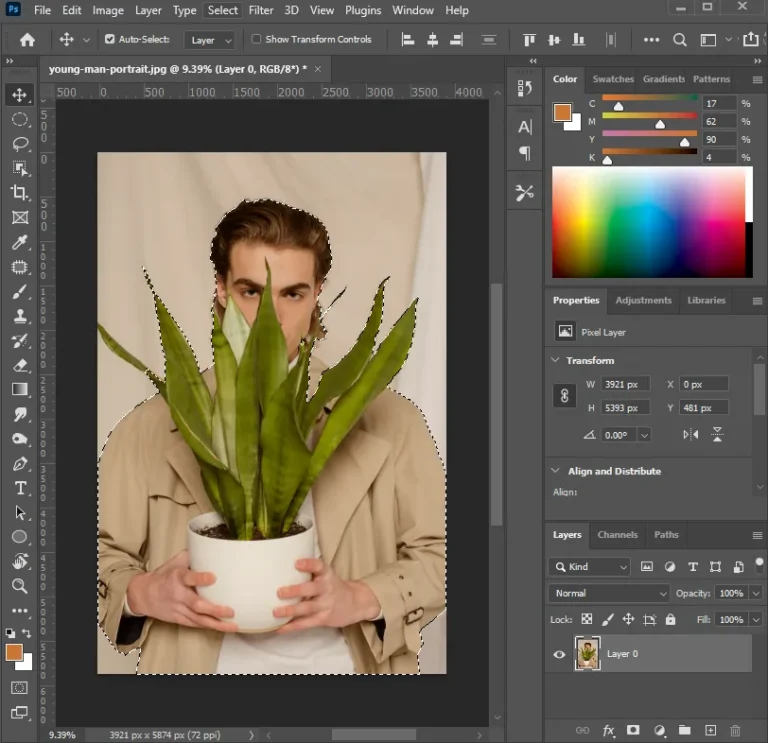
Pixlr splits into two editors. Pixlr X handles basic one-click edits, and Pixlr E gives you a Photoshop-style layer-based workspace directly in the browser, including blending modes and masks.
Free tier limits: The free tier is ad-supported, with a capped monthly AI credit pool (enough for light use, not daily production work) and a daily export cap that’s been tightened in recent updates. Standard exports are watermark-free. Paid tiers and current AI credit allowances are worth checking directly, since third-party listings for Pixlr’s exact price points vary widely.
Best for: Anyone who wants real layer control without paying for Photoshop, and doesn’t mind the free tier’s daily limits.
Photopea
Photopea is the closest free tool to actual Photoshop — full PSD file support, real layers, no watermarks on exports. It’s browser-based and free to use, with ads shown in the interface.
Free tier limits: The free tier is ad-supported and covers nearly everything most people need. A Premium plan (around $5/month, or ~$40/year) removes the ads and adds AI credit bundles and cloud storage — not required to use the editor fully. The interface assumes you already know layer-based editing; it’s not built for beginners.
Best for: Anyone who already knows Photoshop’s workflow and wants the same tools without the subscription.
Canva
Canva’s photo editing is secondary to its real strength, which is templates and layout. If you’re editing a photo to drop into a social post, a flyer, or a presentation, doing it inside Canva saves a step.
Free tier limits: Background removal and some AI tools sit behind Canva Pro, which runs around $13 a month in the US — pricing varies significantly by region, so check your local rate.
Best for: Content creators and small business owners who need photos edited and placed into finished designs in the same tool.
Adobe Photoshop Express
Photoshop Express is Adobe’s stripped-down, browser-and-app photo editor — built for fast, one-touch fixes rather than deep editing. It handles blemish removal, dehazing, noise reduction, and cutouts with AI-assisted tools, plus filters, collages, and custom stickers, all without the complexity of full Photoshop.
Free tier limits: The core editor is free to use. Premium unlocks additional layer-based editing, more collage and effect options, and removes limits on some AI tools. Pricing and what’s gated behind Premium has shifted as Adobe reorganizes its Express/Photoshop lineup, so check Adobe’s current pricing page before recommending a specific plan to readers.
Best for: Quick, guided touch-ups for social media or everyday photos, from someone who wants Adobe’s editing engine without Photoshop’s learning curve or price tag.
Quick Comparison
| Tool | Cost | Skill Level | Best For |
|---|---|---|---|
| Fotor | Free, watermarked / $8.99+/mo | Beginner | Fast AI touch-ups |
| Pixlr | Free (ads, capped AI/exports) / paid tiers vary | Beginner to intermediate | Layer editing without Photoshop |
| Photopea | Free (ads) / ~$5/mo Premium | Intermediate to advanced | Photoshop users who want low-cost PSD editing |
| Canva | Free / ~$13/mo (US, varies by region) | Beginner | Photos going straight into designs |
| Adobe Photoshop Express | Free / Premium (check current pricing) | Beginner | Fast AI-assisted touch-ups from a trusted name |
Pricing above reflects standard US listings at time of writing. All five tools use tiered or regional pricing that changes over time — check each provider’s site for current rates before making a decision.
When Free Tools Hit Their Limit
Frequently Asked Questions
What is the best photo editor online?
What is the best online photo editor for beginners?
Are free online photo editors good enough for professional or commercial use?
What's the difference between a free online photo editor and a professional photo editing service?
Can I use a free online photo editor for jewelry or product photography?
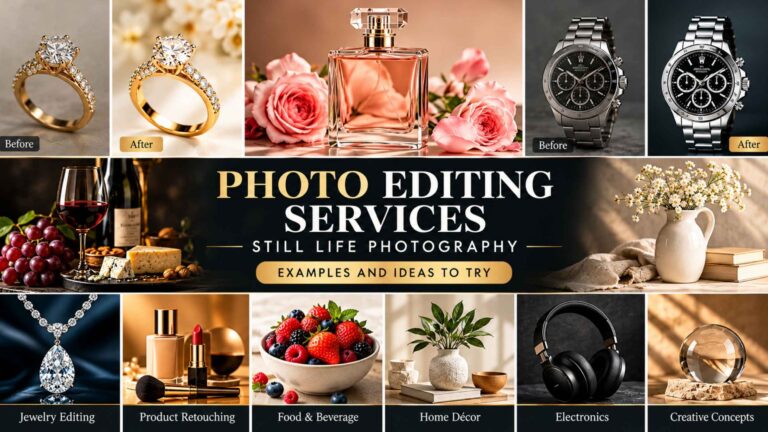
You can do so for a small number of listings. Jewelry photography specifically involves problems like prong flare and gemstone color accuracy that take real time to fix by hand, even in a capable tool, so sellers with growing catalogs often move to a dedicated service once volume increases.