Key Takeaways

  • Ask about category-specific experience (commercial, wedding, portrait), not just general years in business.
  • A real portfolio with before-and-after examples tells you more than a polished highlight reel alone.
  • Get turnaround time and revision policy in writing before sending a full batch, not just a first project.
  • Pricing transparency and file security practices are both worth asking about directly, not assuming.

Choosing a photo editing partner affects how your images look for months or years afterward, so it’s worth asking the right questions before committing, rather than finding out the hard way after a batch of photos comes back not quite right. If you are wondering how to choose a photo editing service, these five questions actually reveal whether a provider is a good fit.

What is Your Experience and Expertise?

General years in business matters less than category-specific experience. A provider who’s edited thousands of wedding galleries isn’t automatically the right fit for commercial product photography, and vice versa. Ask directly about their background in your specific type of work, and look for a portfolio that demonstrates real depth in that category, not just a handful of scattered examples across many different styles.

Can I See Real Samples of Your Work?

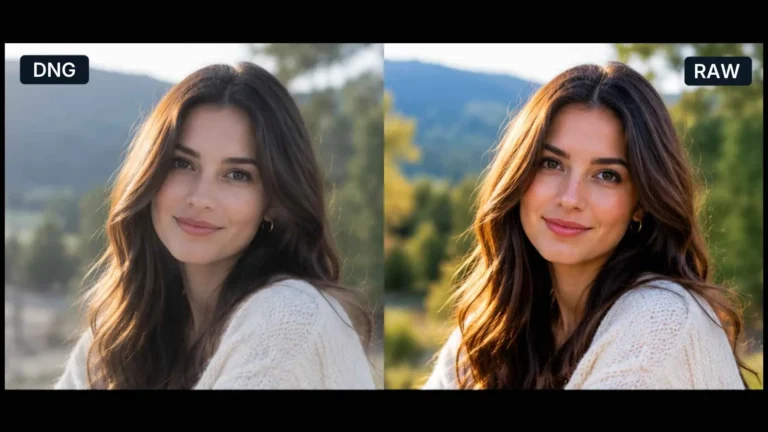
A portfolio reveals editing style and quality in a way that a sales pitch can’t. Look specifically for before-and-after pairs, not just polished final images, since that’s where you can actually judge the skill involved rather than the source photo’s original quality. If a provider only shows finished results with no visible starting point, ask directly for real before-and-after samples in your category.

What Is Your Turnaround Time?

Get the turnaround time in writing. A promise of “fast delivery” doesn’t tell you much. Ask what the standard schedule is and whether the service offers rush options for urgent jobs. Then check whether the same timeline holds when they’re busy, not only when things are quiet.
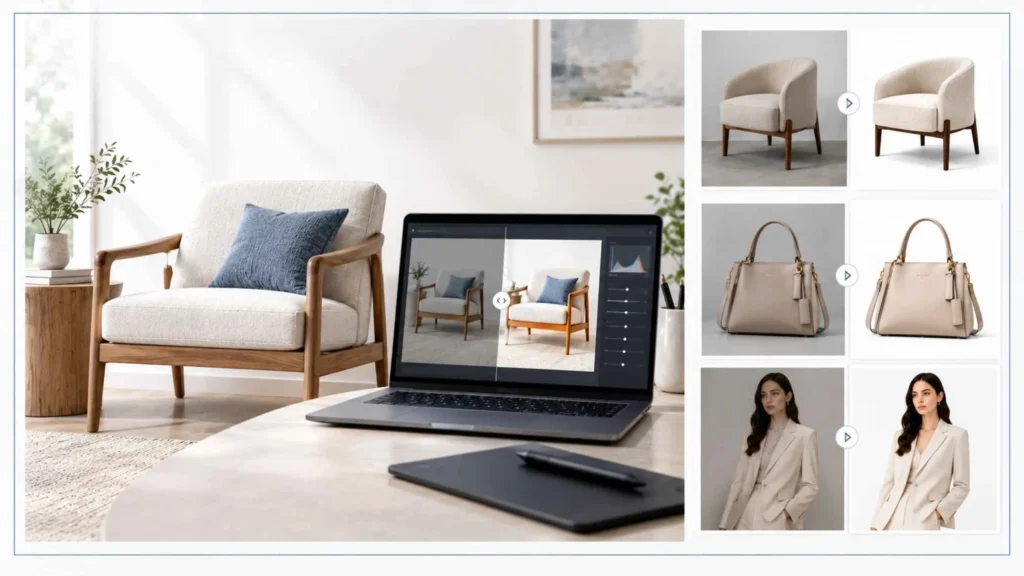
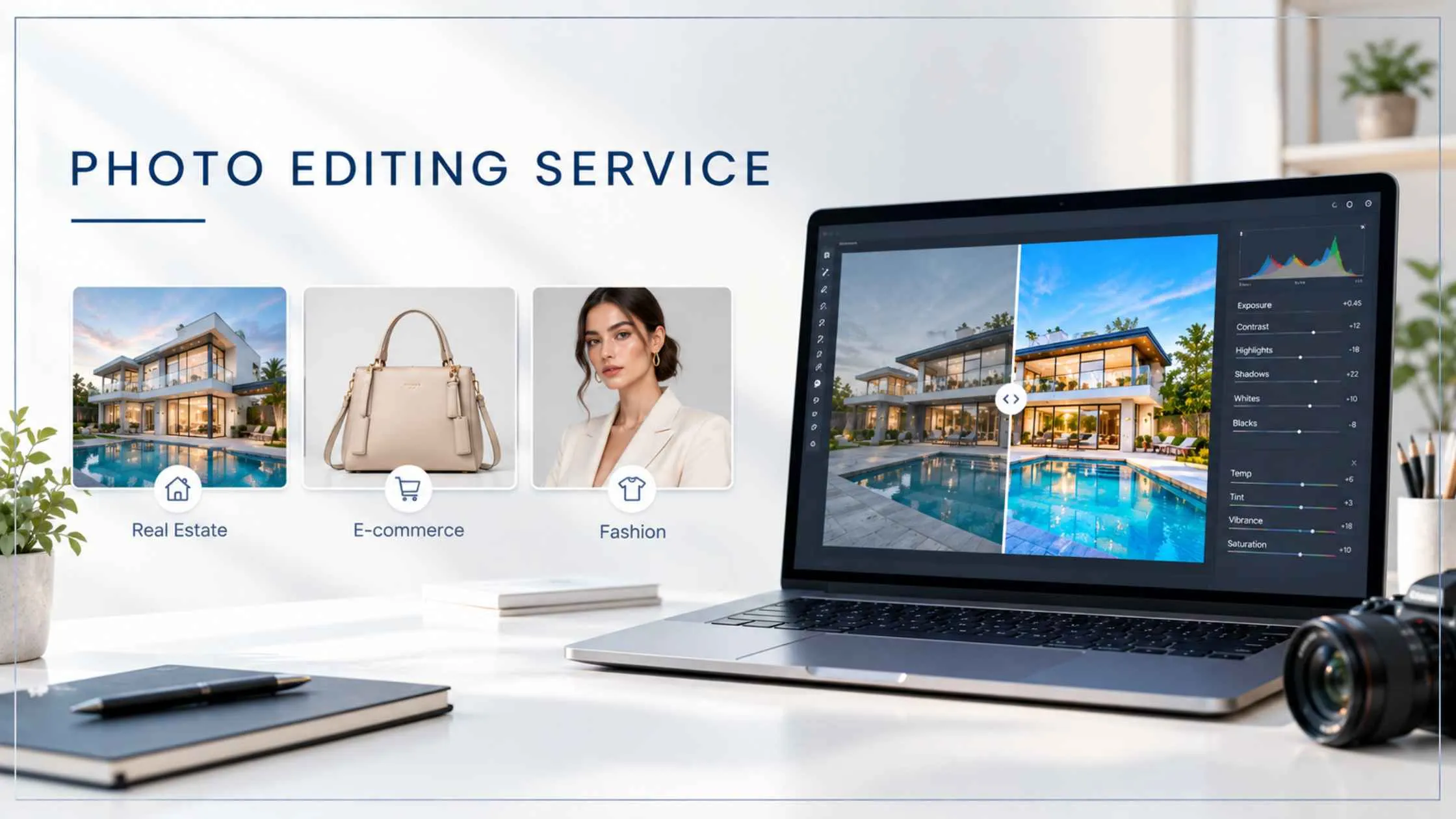
Photo Editing Service

How Do You Ensure the Security of My Images?

Don’t skip file security, especially if you’re sending unreleased products, listings that aren’t public yet, or private client portraits. Before you choose a service, ask how they store and share your files, whether they’ll sign an NDA for confidential work, and how long they keep your images once the job is finished.

What Are Your Pricing and Payment Terms?

Don’t settle for a rough estimate. Ask for pricing that’s broken down item by item. Check whether they charge per image, per batch, or through a subscription, and whether complex edits cost extra. Also ask how many revision rounds come with the price. If you send plenty of images or work with an editor regularly, ask about bulk discounts. Many services offer them, but they won’t always mention it.

Frequently Asked Questions

What's the most important question to ask before hiring a photo editing service?

Category-specific experience tends to matter most. General editing skill doesn’t always transfer well to specialized work like jewelry, real estate, or wedding photography, so confirming real experience in your specific need is the highest-value question.
Yes, if you can. Send a small test batch of your own images. It shows you the real quality and faster delivery capability before you spend your budget on a bigger job.
Ask a few providers for itemized quotes on the same job, so you’re comparing like with like. Be careful with any quote that’s vague about what’s included. Hidden fees for revisions or “complex” images are a common reason the final bill ends up higher than expected.
Ask how your files are stored and sent, and whether they’re encrypted. Find out how long the company keeps your files after the project ends, and whether they’ll sign an NDA if your images are sensitive or haven’t been released yet.
Yes, and a confident, established provider should be able to offer them or point you to independent reviews. Hesitancy to provide any verification of past client satisfaction is noted as a caution sign.