Key Takeaways
- Milan-caliber fashion editing is defined by consistency across a full collection or lookbook, not just polish on a single hero image.
- Fashion brands increasingly work with remote editing teams rather than only local studios; the standard is set by the output, not the location.
- Collaboration between photographer and editor (shared reference, consistent brief) produces more cohesive results than editing done with no context on the shoot’s creative direction.
Milan is one of the world’s fashion capitals, home to major houses, seasonal fashion weeks, and a photography industry built around a specific standard: images hold up next to work from the best studios in the world. That standard shapes what “good” fashion photo editing actually means, wherever the editing work itself happens to be done.
What “Milan Standard” Fashion Editing Actually Means
Fashion photography at this level is judged on consistency across an entire shoot or collection; every look in a lookbook needs to share the same color treatment, retouching style, and overall mood, even if it was shot on multiple days or at multiple locations. A single beautifully edited hero image doesn’t meet the standard if the rest of the set doesn’t match it.
This requires close collaboration between photographer and editor: a shared reference for skin tone treatment, color correction, and retouching intensity, agreed editing begins, not improvised image by image.
Why Location Matters Less Than It Used To
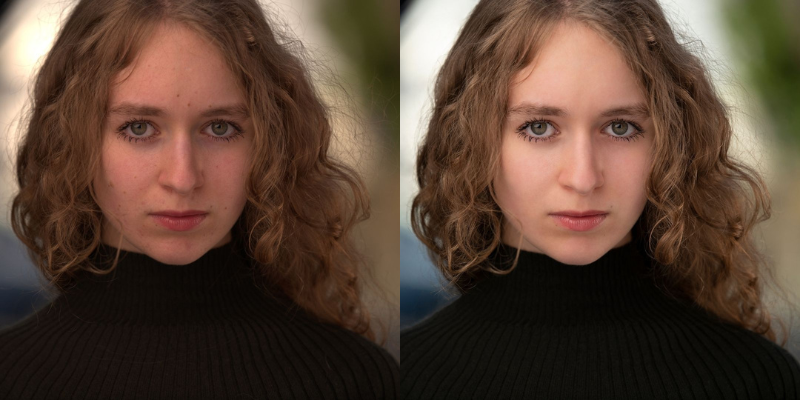
High-end fashion editing no longer requires a local studio; remote editing teams, with a clear creative brief and reference images, can meet the standard a brand needs, regardless of where the editing is physically. What matters is whether the editing team understands fashion-specific technique: fabric texture preservation, natural (not over-smoothed) skin retouching, and the ghost mannequin effect for garment-only shots.
What to Look for in a Fashion Photo Editing Partner
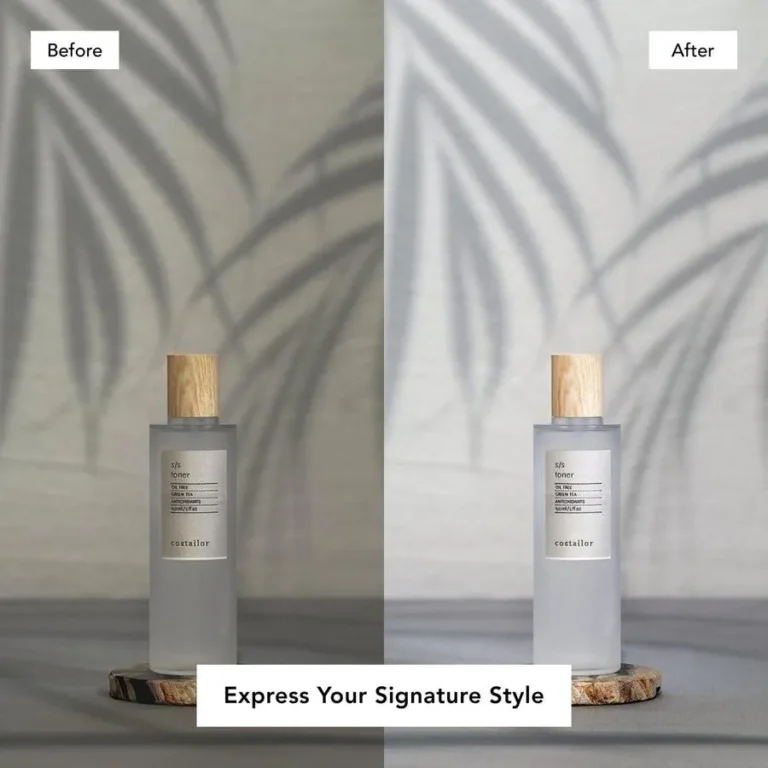
Consistency across a full shoot, not just single images. Ask to see a complete before/after set from one shoot, not just cherry-picked hero shots.
Fabric and texture handling. Fashion editing that flattens fabric detail (a common issue with overly aggressive automated tools) loses exactly the texture that makes clothing photography compelling.
Clear creative brief process. A good editing partner asks about mood, color direction, and retouching intensity before starting, not after delivering a first draft that misses the brand’s actual style.
Turnaround time that fits a fashion calendar. Fashion moves on tight seasonal deadlines, lookbooks, seasonal drops, and fashion week timelines. Ask upfront whether a provider’s standard turnaround can actually keep pace with your release schedule, especially during peak seasons.
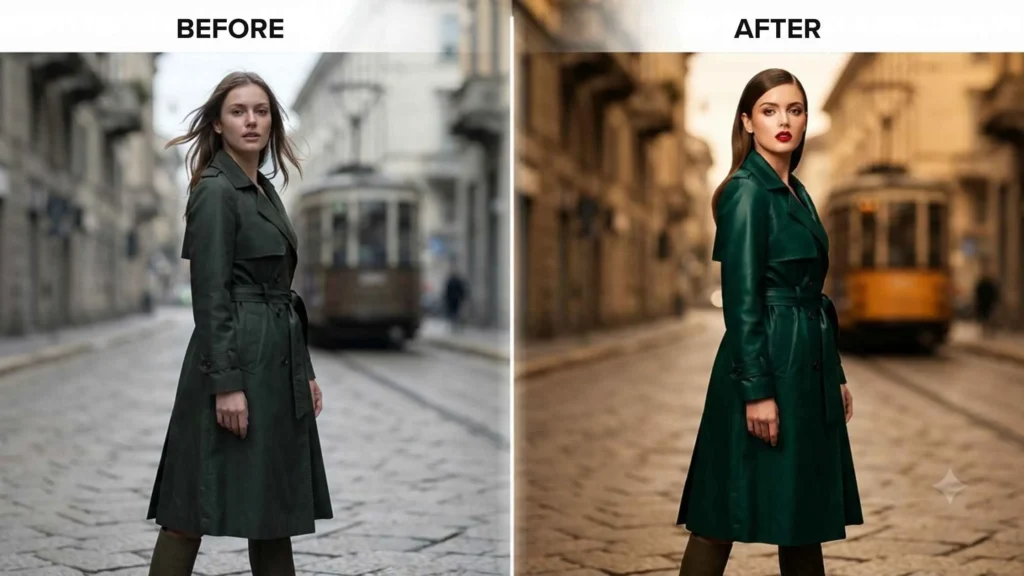
What “Milan Standard” Looks Like in Practice
A useful way to evaluate this in practice is to look at how a shoot’s images hold together as a set, not just individually. Pull three or four images from the same shoot side by side. Do the skin tones match? Does the color grade feel consistent? Do the shadows and highlights read the same way across images shot at different times of day? Inconsistency in any of these areas, even subtle inconsistency, is usually the first thing that separates amateur-feeling editing from work that could genuinely sit alongside a major fashion house’s campaign.Common Mistakes in Fashion Photo Editing
Over-smoothing skin to the point of losing texture, which reads as artificial rather than polished, especially in close-up shots.
Flattening fabric detail through overly aggressive noise reduction or sharpening, losing the exact texture and weave detail that makes clothing photography compelling.
Editing individual images for each shoot without a common reference point, still creating a lookbook that appears as if several separate shoots have been joined into a single image.
Not using the ghost mannequin technique for products that don’t involve humans, instead choosing a flat lay or a visible mannequin technique.
Frequently Asked Questions
Is fashion photo editing best performed on-site to meet high-end expectations?
How is fashion photo editing unique from regular portrait retouching?
Fashion editing requires consistency in fabric texture, garment-specific techniques like the ghost mannequin effect, and strict consistency across a full collection; general portrait retouching doesn’t need to address any of these.