Key Takeaways
- RAW files hold huge detail but look flat until edited. Lightroom brings them to life.
- What Lightroom does best: it handles RAW files well, never changes your original, and lets you use presets to give a whole batch of photos the same look.
- Outsourcing Lightroom editing saves photographers hours on high-volume shoots.
- Editing does far more than filters, exposure, colour, cleanup, and a cohesive look.
Straight out of the camera, a RAW file often looks flat and dull. All the detail is there, but it hasn’t been polished yet. Most professionals use Adobe Lightroom to close that gap, and Lightroom editing services can take the whole job off a photographer’s hands. This article explains why RAW files need editing, what Lightroom does so well, and how outsourcing turns hundreds of raw shots into polished, consistent images that are ready to deliver.
Why RAW Needs Editing
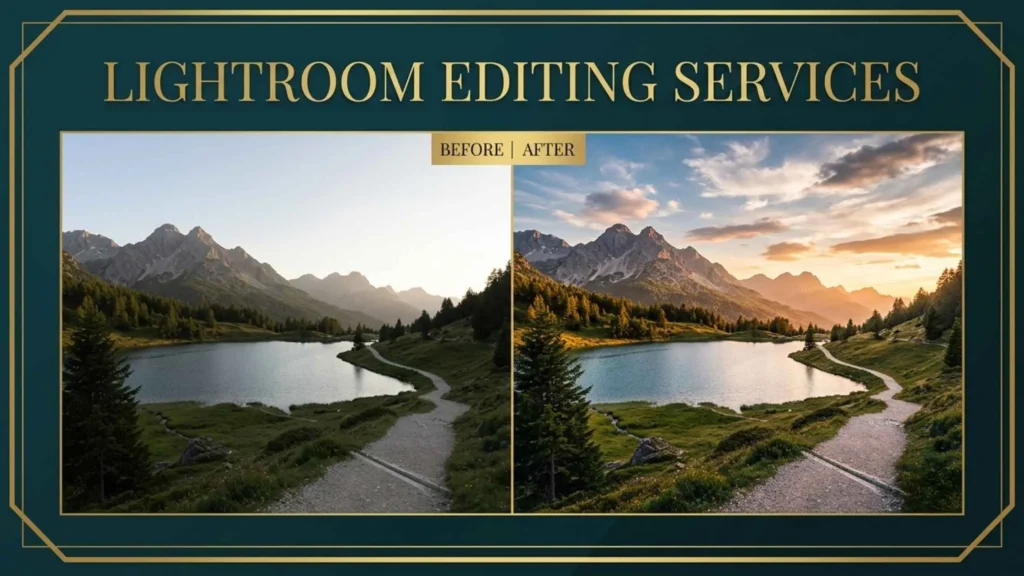
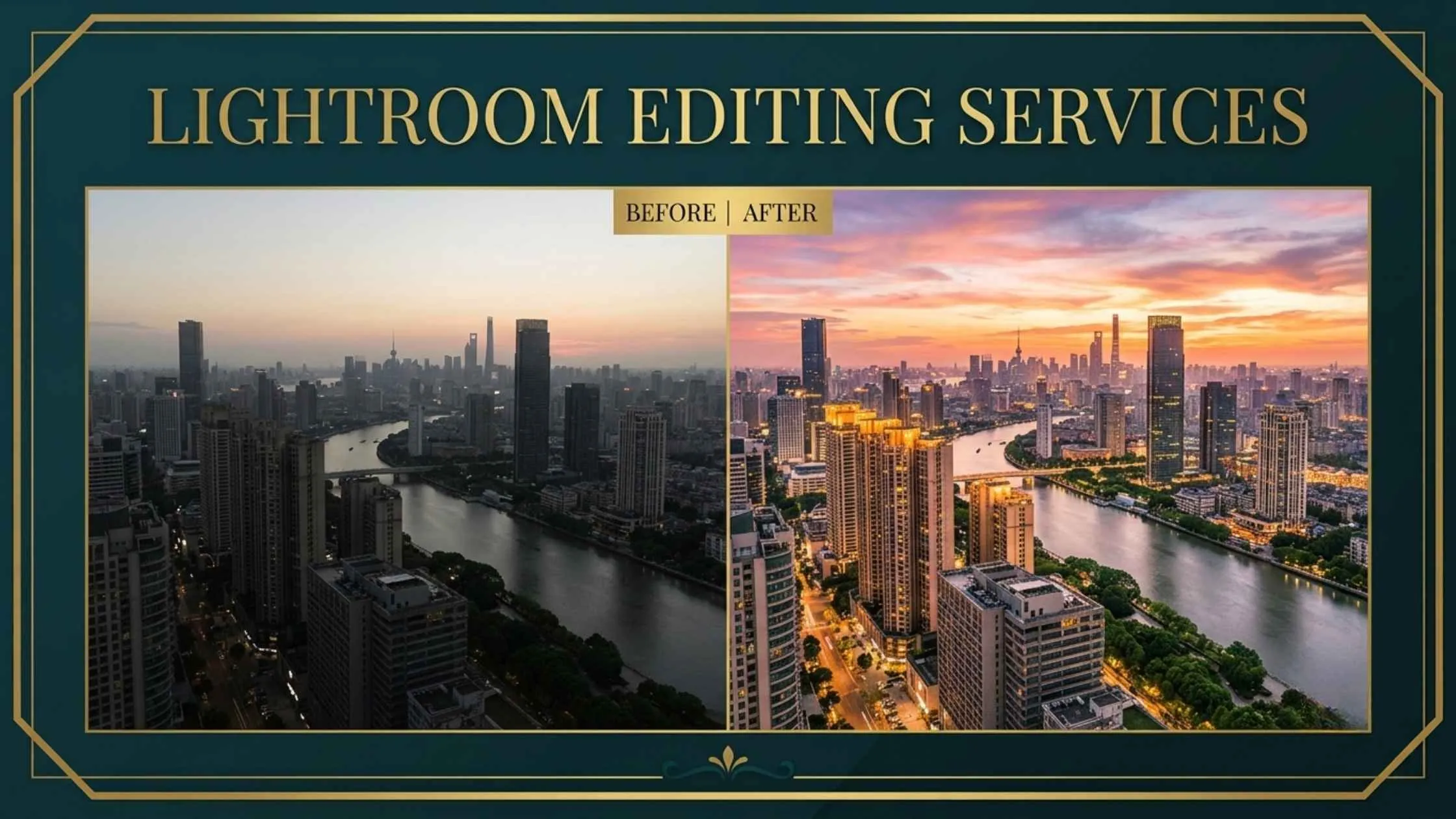
A RAW file is a blank canvas: maximum flexibility, minimal built-in appeal. A wedding shot may capture the couple and the moment perfectly, yet look washed out and colourless out of the camera. Lightroom editing adds brightness, balances colour, and produces natural skin tones, turning a flat capture into a rich final image. RAW’s whole point is that it holds the detail to make this possible, and editing is what brings it out.
What Makes Lightroom So Good
Lightroom is made with photographers in mind, and Lightroom image editing goes well beyond simple adjustments. It handles RAW files very well and works non-destructively, so your original file is never changed. Presets and profiles give you a consistent starting point for every photo. You can also organize and sync your images, which lets you apply and adjust edits across thousands of photos quickly. That’s why Lightroom is the professional standard for high-volume photography.Time Saving for Photographers
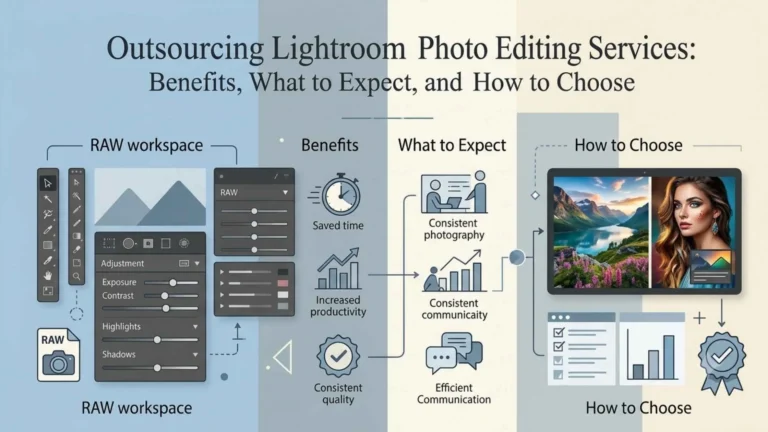
Photography requires enormous editing time; photographers often capture hundreds or thousands of images per shoot, and processing each by hand takes hours. Outsourcing Lightroom editing lets photographers concentrate on shooting, clients, and their business. For example, a real estate photographer can submit 200 property images and get polished versions ready for the client, without spending the evening at a screen.
Consistency Across Your Work
Visual consistency across a portfolio and feed creates a cohesive, professional impression. A fashion blogger keeping uniform warm tones, soft highlights, and a consistent aesthetic across every post looks intentional and polished. Lightroom’s presets and sync make that achievable at scale, and a good service applies it uniformly across an entire set.