Key Takeaways
- Two separate age groups in one photograph would have to be dealt with separately as well, meaning that there would not be one retouching style applicable to everyone.
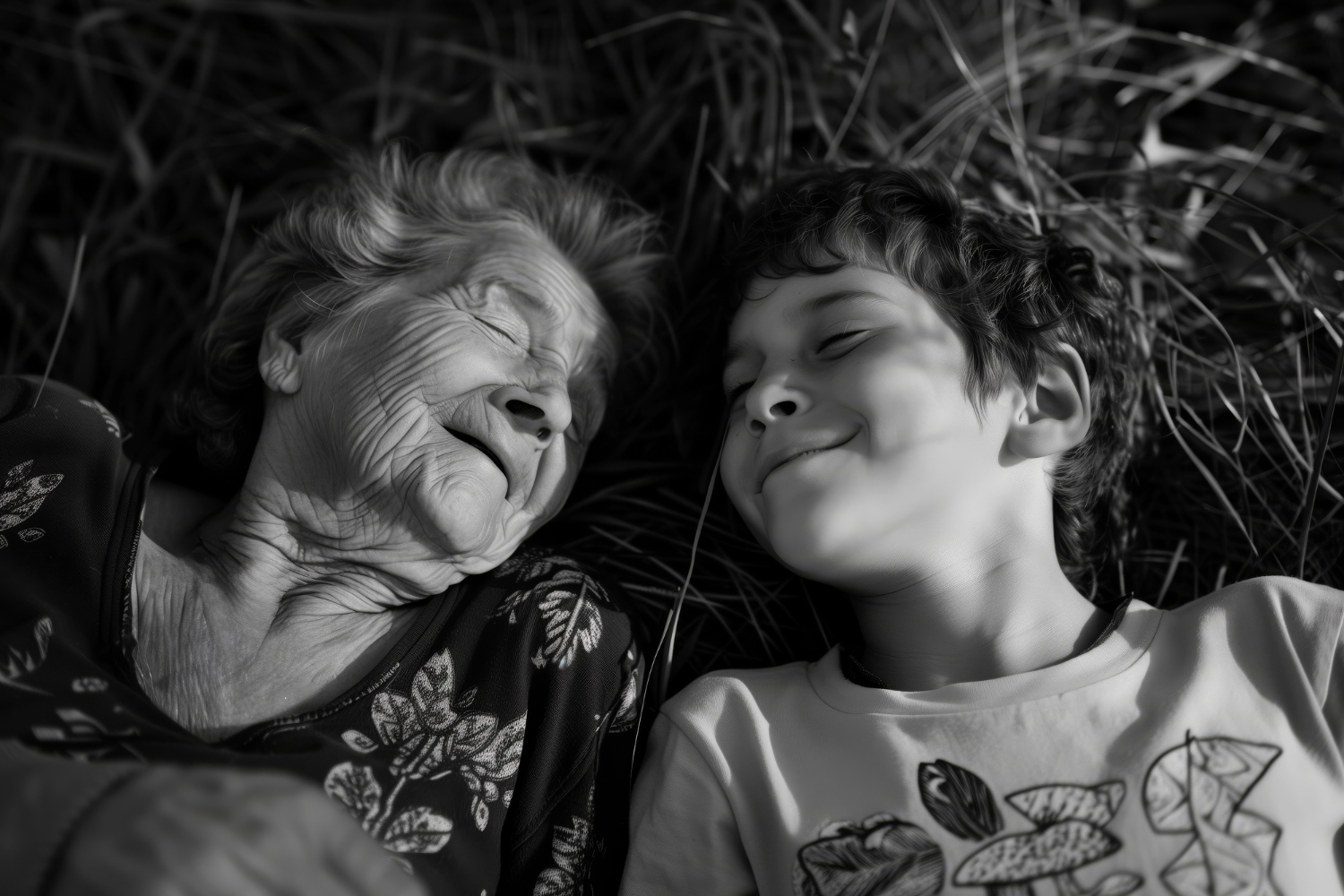
- Features that signify age, such as wrinkles and blemishes, should not be aggressively erased from photos, as they help create a natural image.
- Uniform coloring helps create this effect, so the photographs do not look like they were taken in a particular time period.
- What really matters is the genuine connection that is shown in these photographs through facial expressions and interactions.
A photo of a grandparent and grandchild together carries a specific kind of weight; it’s often capturing a relationship and a moment in time that families want to preserve exactly as it was Editing these images well means understanding that two very different subjects, an older adult and a young child, need different retouching considerations within the same frame.
Editing Two Generations Accurately in One Frame
A grandparent’s skin and a grandchild’s skin behave very differently under editing: an older subject may have wrinkles, age spots, or thinner skin texture that shouldn’t be smoothed away in the name of “improvement,” while a young child’s skin often needs only minimal correction. Treating both subjects with the same blanket smoothing setting typically over-processes one and under-corrects the other. Careful, separate attention to each subject produces a far more respectful, natural result.Respecting Signs of Age Rather Than Erasing Them
Wrinkles, gray hair, and other natural markers of age are part of what makes a portrait of an older family member feel authentic and respectful. Aggressive smoothing that erases these details doesn’t read as flattering; it reads as inauthentic and can actually undermine what makes the photo meaningful: an honest, warm portrait of who that person actually is at this stage of life.Why Warm, Consistent Color Treatment Works Well Here
Multi-generational family photos tend to age better with warm, natural color treatment rather than trend-driven filters or heavy stylization. Timeless and emotionally evocative is how a warm, somewhat soft grading palette often comes across when compared to following the latest editing fad, particularly for photos you will want to hold onto for many years to come.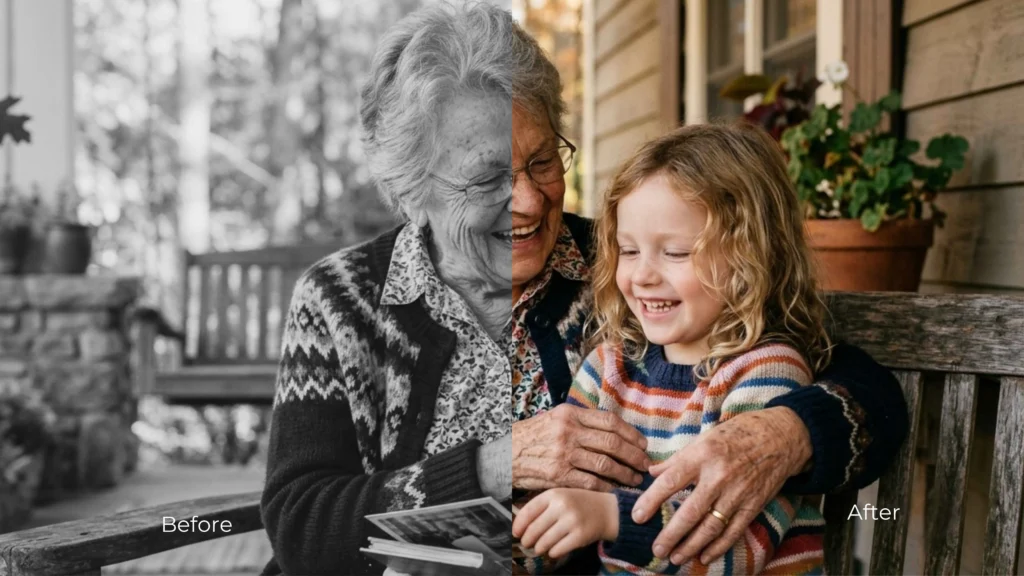
Real Moments Matter More Than Perfection
It is the relationship between the grandparents and the grandchild that gives a meaningful picture. Editing must achieve this connection. A technically flawless but emotionally flat edit misses the actual point of this kind of photo more than a slightly imperfect but genuinely warm one.Handling Common Technical Issues With Care
Uneven lighting between indoor and outdoor settings, minor color issues, or small background issues are all worth correcting carefully; these are genuine technical issues rather than something essential to the photo’s authenticity. The distinction matters: correct what’s genuinely a flaw, and leave what’s genuinely part of the real people in the frame.Frequently Asked Questions
Should wrinkles and age spots be retouched out of a grandparent's portrait?
Generally, no, or only very lightly. These are natural, authentic parts of an older person’s appearance, and aggressively removing them tends to make a portrait feel less genuine rather than more flattering.
Why does a multi-generational photo need different retouching for each subject?
An older adult’s skin and a young child’s skin respond very differently to skin retouching; applying the same smoothing or correction setting to both usually over-processes one and under-corrects the other.”
What editing style tends to work best for family photos meant to last?
Warm, natural, and relatively restrained color treatment tends to age better than trend-driven filters, since the goal is a lasting, authentic image rather than one tied to a specific moment in editing style.
What matters more in this kind of photo, technical perfection or emotional authenticity?
A photo that truly shows connection and expression has greater lasting value than one that is technically perfect but emotionally flat.