Key Takeaways

  • Professional headshot retouching is not merely about making a smooth image but rather a blend of skin retouching, color correction, and lighting.
  • The aim is improvement, not remodeling. A retouched headshot should still resemble the person in it.
  • Color correction and consistent lighting matter as much as skin retouching for a headshot to look genuinely professional rather than just “cleaned up.”
  • The best headshot retouching is subtle enough that viewers notice the person, not the editing.
A headshot is often the only visual impression someone forms of you before a meeting, an interview, or a first business connection. In a world of quick scrolling and split-second judgments, a polished, professional headshot carries real weight. The techniques behind that polish matter more than most people realize, and knowing where the line sits between enhancement and over-editing makes the difference between a headshot that looks professionally shot and one that looks artificial.

Why a Professional Headshot Carries Real Weight

Visual impressions form fast, often before anyone has read a word of your bio or resume. A sharp, well-lit, professionally retouched headshot conveys attention to detail and credibility, whether it’s for a LinkedIn profile, a company team page, or a personal portfolio. A poorly lit or unedited photo, even of someone who looks great in person, can undercut that first impression before any real interaction happens.

What High-End Headshot Retouching Actually Involves

High-end retouching isn’t a single filter or one-click fix. It’s a layered process: correcting skin tone and texture without erasing natural detail, adjusting lighting to soften harsh shadows or blown-out highlights, and fine-tuning color so skin reads accurately, not too warm, too cool, or too flat. Each of these addresses a different technical problem, and skipping any one of them tends to leave a headshot feeling unfinished even if the others are done well.

Portrait Retouching: Enhancement Without Losing Authenticity

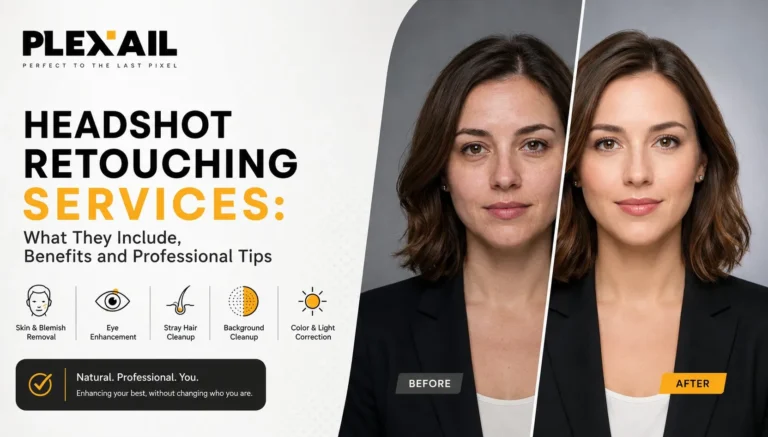
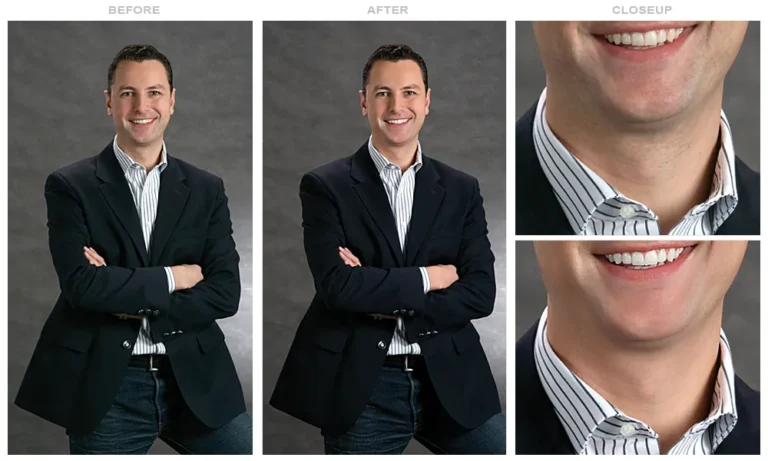
The core skill in portrait retouching is restraint. A skilled retoucher removes temporary distractions (a stray hair, a blemish that wouldn’t normally be there, or minor asymmetries caused by lighting) while preserving the actual structure and texture of a person’s face. The result should look like a great, well-lit version of the person, not a different person entirely. This is where amateur retouching most often goes wrong: pushing skin smoothing or feature adjustments so far that the photo looks uncanny rather than polished.

Why Color Correction Is Part of a Good Headshot, Not an Afterthought

Color plays a bigger role in how a headshot reads than most people expect. A photo with a slight yellow or blue cast can make skin look unhealthy or make the whole image feel unprofessional, even if the framing and expression are perfect. Color correction brings tones back to accurate, natural values, which matters for consistency too, especially for a company team page where a dozen employee headshots need to look like they belong together rather than shot under a dozen different lighting conditions.
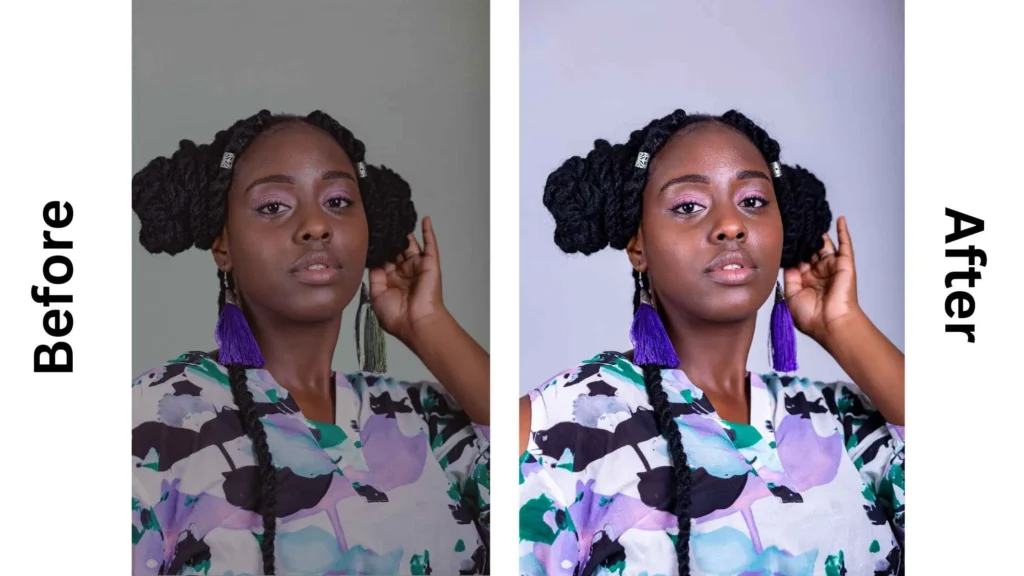
Professional Headshot Retouching What Actually Matters

Handling the Small Details: Blemishes, Lighting, and Everything Between

Professional retouching addresses the full range of small issues that add up: minor skin blemishes, uneven lighting across the face, stray flyaway hairs, and small distractions in the frame. None of these individually ruins a photo, but together, left unaddressed, they keep a headshot from looking fully polished. Addressing them one at a time, carefully, is what separates thorough retouching from a rushed, generic pass.

How Retouched Headshots Strengthen a Professional Brand

For individuals building a personal brand and for companies presenting a unified team image, consistently well-retouched headshots do real work. They signal professionalism and attention to detail before anyone reads a single word of a bio, and for a company, a set of headshots edited to the same standard makes a team page feel cohesive rather than assembled from mismatched submissions.

Where Is the Line Between Natural Enhancement and Over-Enhancement?

The best retouching of headshots is a fine line. Just enough correction to remove real distractions and technical flaws. Not so much that the final image looks manufactured. If a viewer’s first reaction to a headshot is noticing that it’s been edited rather than the person noticing it. That’s usually a sign the retouching went further than it should have.

Frequently Asked Questions

How much retouching is appropriate for a professional headshot?

Enough to fix true technical problems (uneven lighting, small blemishes, color cast) without changing someone’s actual features or skin texture beyond recognition. If the person looks noticeably different from how they actually look, that’s over-retouching.
Correct color ensures that the skin tone looks natural, not overly warm, cool, or flat. Consistency is also very important, particularly when shooting a whole bunch of people for headshots that should match one another as if taken in the same lighting conditions.
Yes, to a meaningful extent. Color and lighting correction can significantly improve a photo shot in flat or uneven light, though a well-lit original photo will always give a retoucher more to work with than a poorly lit one.
Headshots are normally done subtly and professionally. The idea here is to look professional and natural without any creativity or over-processing of the photo. This is especially true if the image is intended for use in a corporate profile.