Key Takeaways

  • Advanced retouching helps improve portraits and headshots without compromising their natural look.
  • Color correction skills turn boring images into eye-catching and professional ones.
  • What is important about this technique is moderation, as too much processing is undesirable.
  • Professional-looking photos will boost your confidence and credibility.
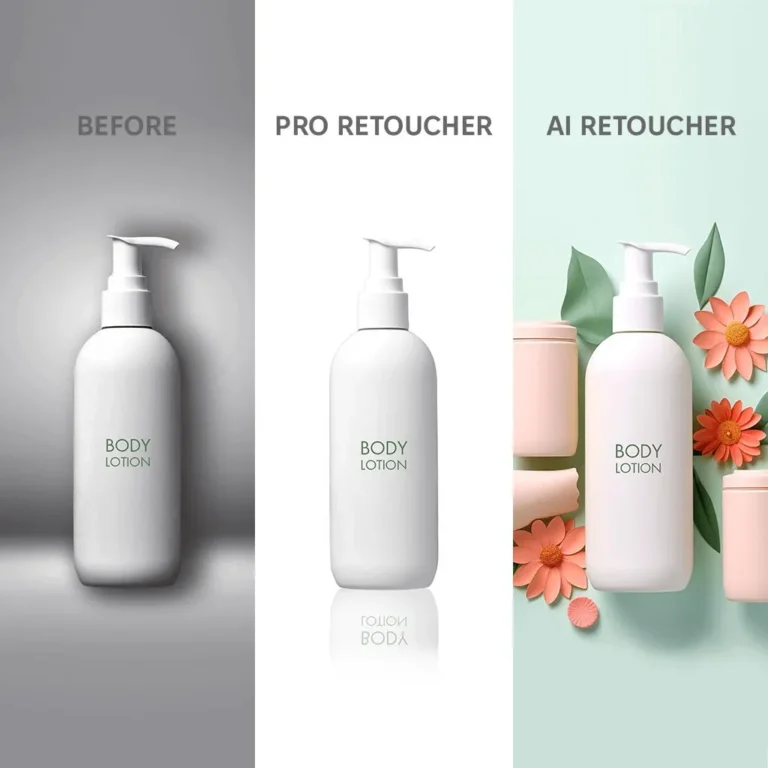
In a visual economy, the quality of your images shapes how you and your work are judged, often before anyone reads a word. High-end photo retouching separates a good photo from a flawless one. Professional retouching adds an elaborate finishing touch to portraits, enhancing their qualities while maintaining their naturalness. This describes what retouching is, including information from headshots to colour correction and their significance.

Why Images Carry So Much Weight

We judge quality visually and fast. A polished, professional image signals competence and care; a flat or flawed one undercuts it, no matter how good the underlying work. High-end retouching exists because, in a world where images represent people and brands everywhere, the finish on those images shapes the impression they make.

Headshot Retouching

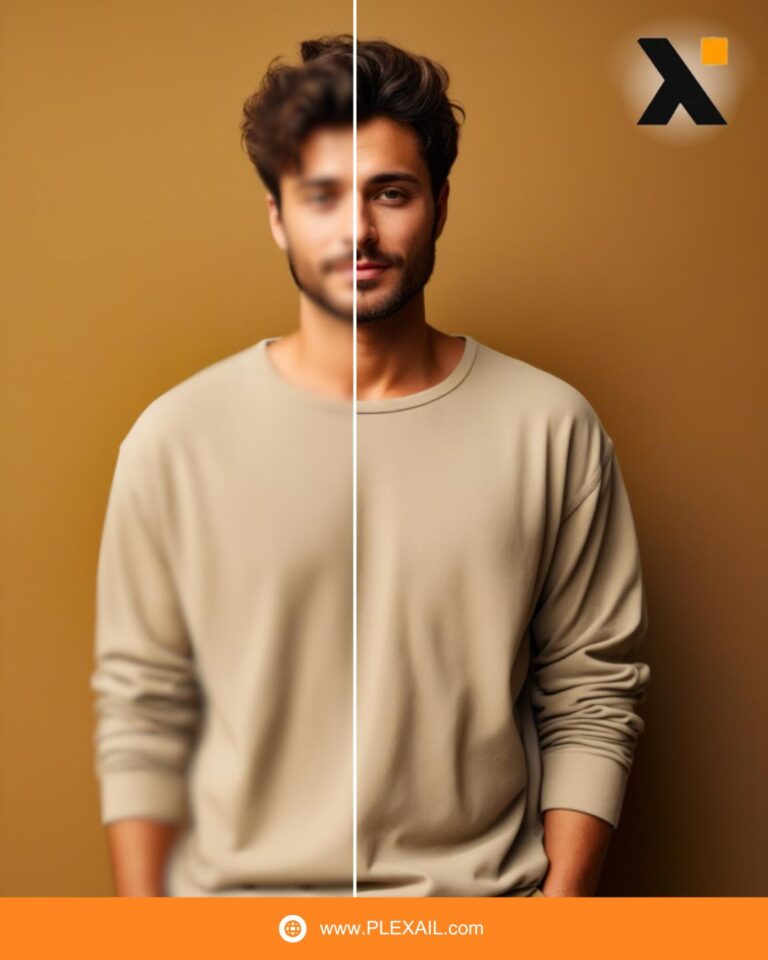
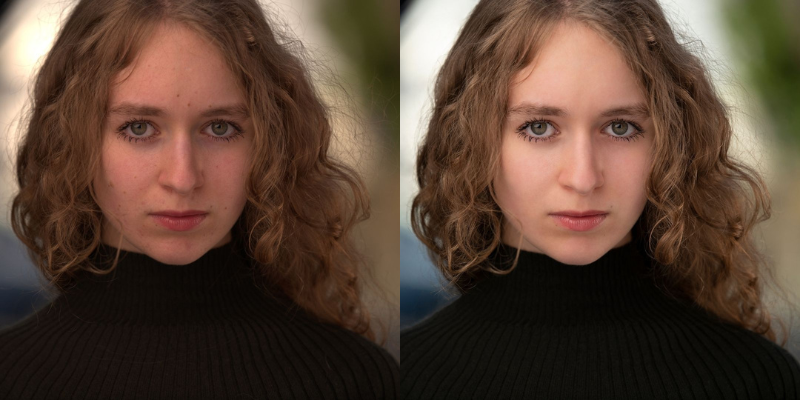
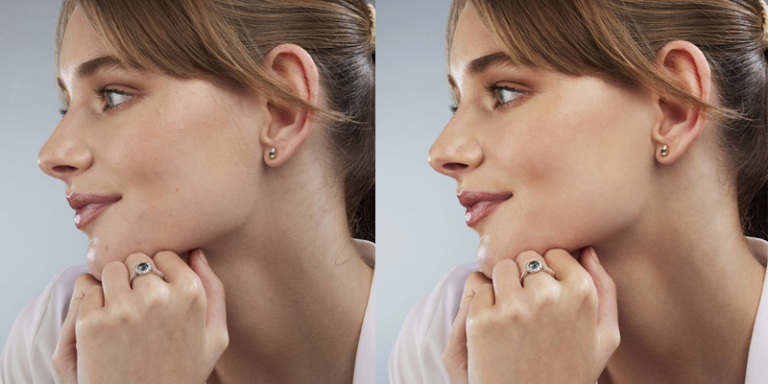
Headshot retouching enhances facial features and clears temporary distractions, blemishes, stray hairs, and uneven tone, while keeping the person recognisable and natural. Done at a high level, it produces a headshot that looks like the subject on their best day: clean, confident, professional, without tipping into the artificial. The standard for corporate profiles, actors, and personal branding.

Portrait Retouching

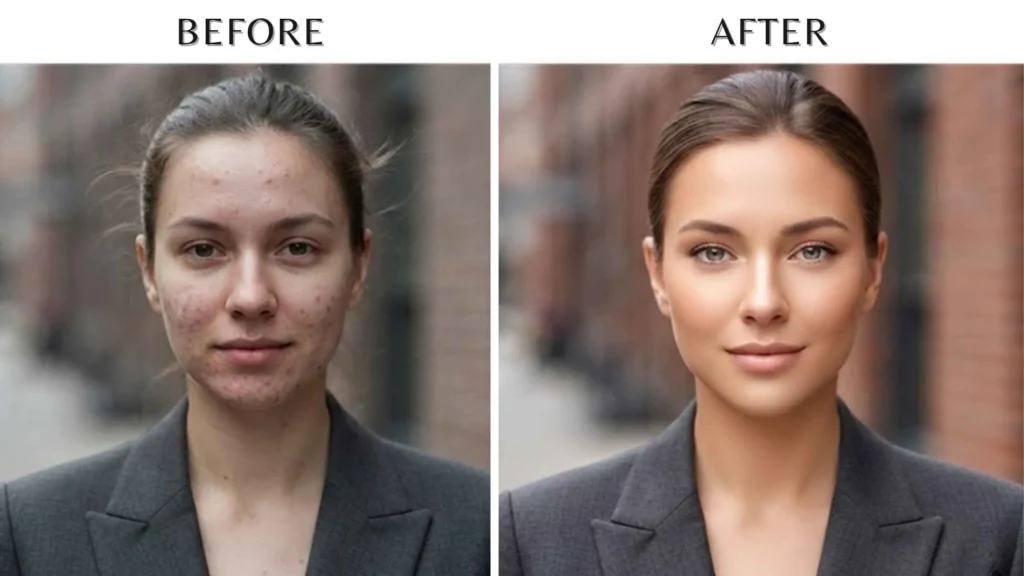
Portrait retouching goes further, refining skin, light, and tone to turn a good portrait into a striking one. Techniques like frequency separation and dodge and burn let a retoucher shape contours and perfect skin while keeping natural texture. The result lifts a portrait from a snapshot to a considered, gallery-quality image.

Colour Correction

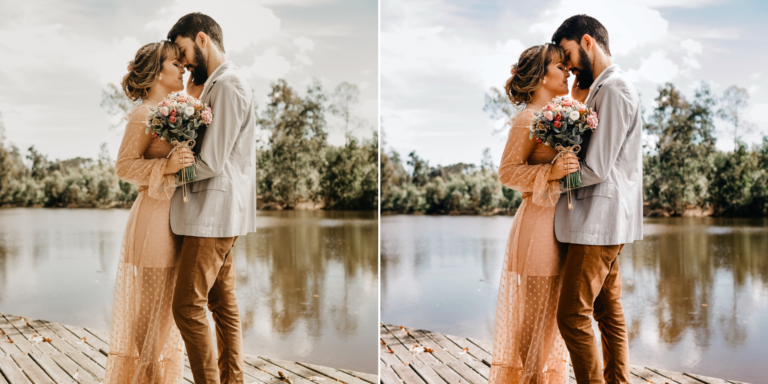
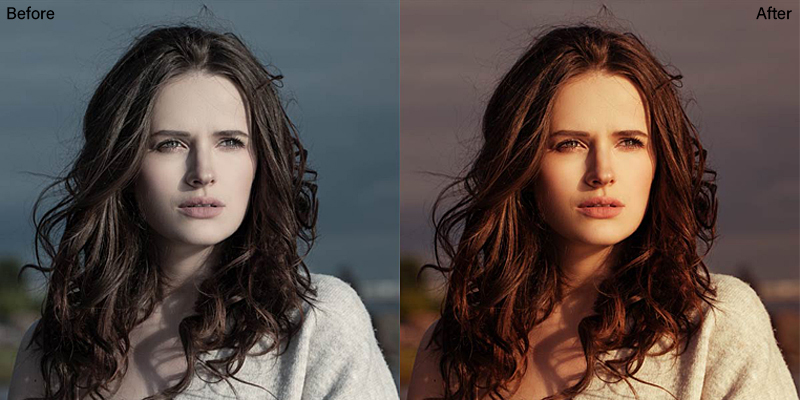
Colour correction adjusts colour, contrast, and tone so an image reads accurately and richly rather than flat or off. It is often the difference between an image that looks amateur and one that looks professional, correcting casts, balancing exposure, and giving depth to the photo. On its own, expert colour work can transform how an image feels.
The Power of High-End Photo Retouching Services

The Craft Behind It

High-end retouching is a deliberate, layered process, and the retoucher’s judgment is what makes it work. Skilled professionals know which techniques to apply and, just as important, when to stop. That craft, built over years, is why high-end results look effortless and natural rather than heavy-handed. The hardest thing in retouching is making it invisible.

Choosing a Provider

Because the difference is in the detail, choose based on the strength of the portfolio and reviews, not price. Look for work in your specific area, headshots, portraits, beauty, and for results that look natural rather than over-processed. A short trial on a representative image is the most reliable way to confirm the quality before committing.

Benefits Beyond Looks

High-end retouching does more than make an image look good. A polished portrait builds confidence; people are more comfortable using and sharing an image they feel represents them well, so it actually gets used rather than hidden. It strengthens branding, since consistent, high-quality imagery signals a serious, credible operation. And it builds trust: a headshot on a profile or a product in a campaign — images that look considered make the person or brand behind them look the same. Those effects — confidence, credibility, trust — are why it is an investment, not just a finish.

Frequently Asked Questions

What is high-end photo retouching?

The expert, detailed finishing of images, especially portraits and headshots, that perfects skin, light, and colour while keeping the subject natural. The polished, professional standard above basic editing.
High-end uses more refined techniques (frequency separation, careful dodge and burn, expert colour) and, crucially, greater restraint and judgment, producing natural, flawless results rather than obvious edits.
Enhancing facial features and clearing temporary distractions (blemishes, stray hairs, uneven tone) while keeping the person recognisable and natural, producing a clean, confident, professional portrait.
It should not; that is the point. High-end work is defined by restraint: it keeps natural skin texture and the subject’s real character. The plastic look is a sign of poor retouching, not high-end retouching.
Because accurate, rich colour often separates a professional image from an amateur one. Colour correction fixes casts, balances exposure, and adds depth, transforming how an image feels.
Professionals needing headshots, actors and models, personal brands, beauty and fashion work, and any business whose portraits and imagery represent its quality.
Judge by portfolio and reviews in your specific area, and look for natural, not over-processed, results. A short trial on a representative image is the most reliable way to confirm quality before committing.
It builds confidence (people use images they feel represent them well), strengthens branding through consistent quality, and builds trust; professional imagery makes the person or brand behind it look credible. Those effects make it an investment.