Key Takeaways
- Color and exposure correction corrects technical issues caused by lighting conditions and camera technology, not simply stylistic issues.
- Enhancing details such as sharpness and noise correction reveals the detail already captured by the camera but not visible.
- Consistency across a set of images matters as much as individual photo quality for anything used as a collection, a catalog, gallery, or portfolio.
- The goal of good editing is an accurate, polished version of reality, not a fabricated one.
A camera records light, but seldom records the exact appearance of a scene as experienced in reality. Photo editing serves as the link between the record made by a camera and what an image truly needs to convey, and knowing which details need to be changed helps you determine whether the image is being edited effectively.
Correcting What the Camera Got Wrong
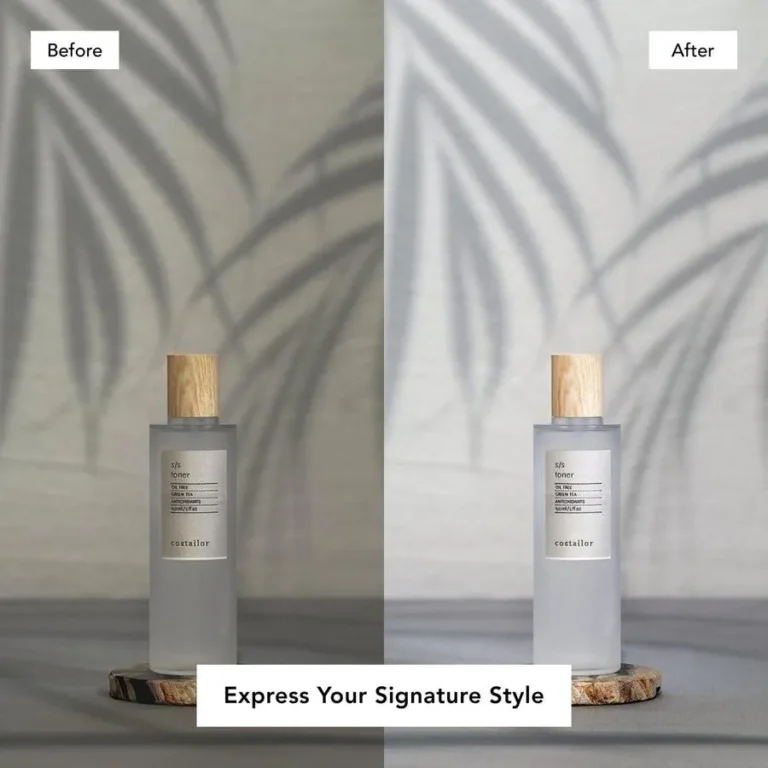
Cameras and lighting conditions introduce real, predictable inaccuracies: a color cast from indoor lighting, underexposed shadows, blown-out highlights. Color correction and exposure adjustment bring an image back to how the scene actually looked, or how it should look under accurate, neutral lighting. This is often the single biggest factor separating an amateur-looking photo from a professional one, since inaccurate color and exposure are immediately, if subconsciously, noticeable to a viewer.Bringing Out Real Detail
Sharpening and noise reduction don’t add detail that wasn’t there; they clarify detail that exists in the original capture but isn’t fully visible due to lens softness, motion, or low-light noise. Applied carefully, this makes texture, edges, and fine detail read more clearly without making an image look artificially processed.Removing Genuine Distractions
Dust, stray hairs, minor blemishes, background clutter — these are removed not to fabricate a false version of reality, but to eliminate elements that wouldn’t be part of the actual subject under ideal conditions. A distraction-free image lets a viewer’s attention go where it should, on the subject itself.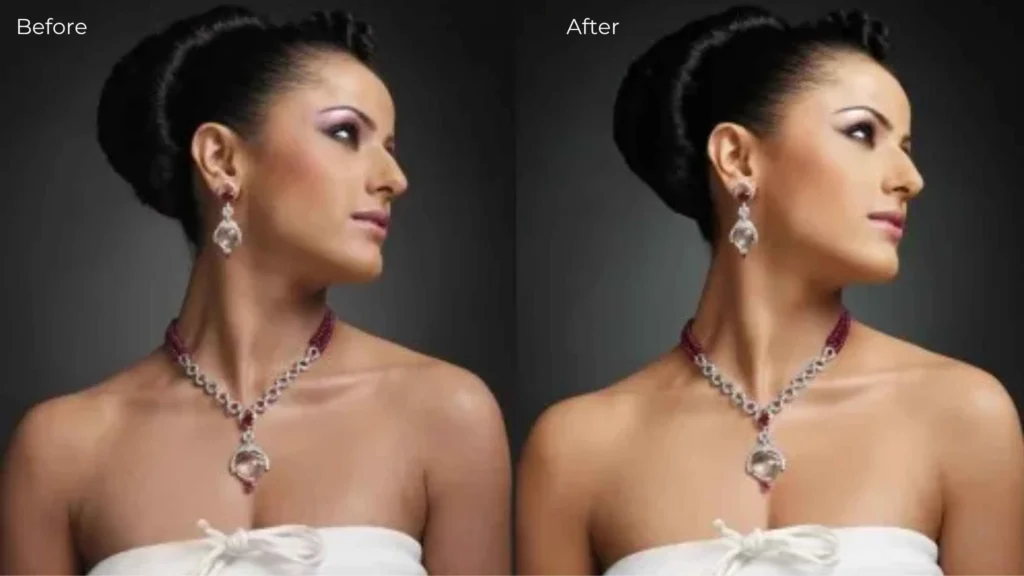
Why Consistency Matters Beyond Any Single Image
For anything used as a set, a product catalog, a wedding gallery, a portfolio, individual image quality matters less than consistency across the whole collection. A set of images edited to the same standard (same color treatment, same level of retouching, same overall approach) reads as more professional and trustworthy than a set with wildly varying quality, even if a few individual images in the inconsistent set are technically excellent.Where the Line Sits Between Enhancement and Misrepresentation
Good editing corrects and clarifies. It doesn’t fabricate qualities that don’t exist, such as oversaturated colors that don’t match the real product, skin texture smoothed past recognition, details sharpened to the point of looking artificial. The most effective editing is often the kind a viewer doesn’t consciously notice; they just perceive the image as clear, accurate, and polished.Frequently Asked Questions
What's the difference between photo editing and photo manipulation?
Editing usually ensures technical correctness (color, exposure, distracting elements) without changing anything in the original scene. Photo manipulation involves even more, where new elements are added, deleted, or combined to form something that does not exist in reality.
Why is it so important to do color correction on an image?
Inaccurate color reads as unprofessional even when viewers can’t articulate exactly what’s wrong, since human perception is highly sensitive to color accuracy, especially in skin tones and familiar objects.
Does every edited photo in a set need to look identical?
Not identical, but consistent in overall standard and treatment. Wildly varying quality or style across a set undermines the professionalism of even the strongest individual images.
How can I tell if a photo has been over-edited?
If the color, texture, or detail looks noticeably different from how the actual subject would appear in person, or if the editing itself becomes what a viewer notices rather than the subject, that’s generally a sign of over-editing.