Key Takeaways

  • Better representation lifts conversions, since images are what customers judge and buy on.
  • Accurate editing cuts returns, one of the highest hidden costs in e-commerce.
  • Outsourcing usually beats in-house once you count software, training, and time.
  • It frees your team to focus on core, revenue-generating work.

Photo editing is an expense, so it is fair to ask whether it pays for itself. For most visual-first industries — jewellery, real estate, fashion, e-commerce — the answer is yes, but not for vague ‘looks nicer’ reasons. The return comes from concrete effects: better representation that lifts conversions, fewer returns, and a lower total cost than editing in-house. Here is how that maths actually works.

Better Representation Lifts Conversions

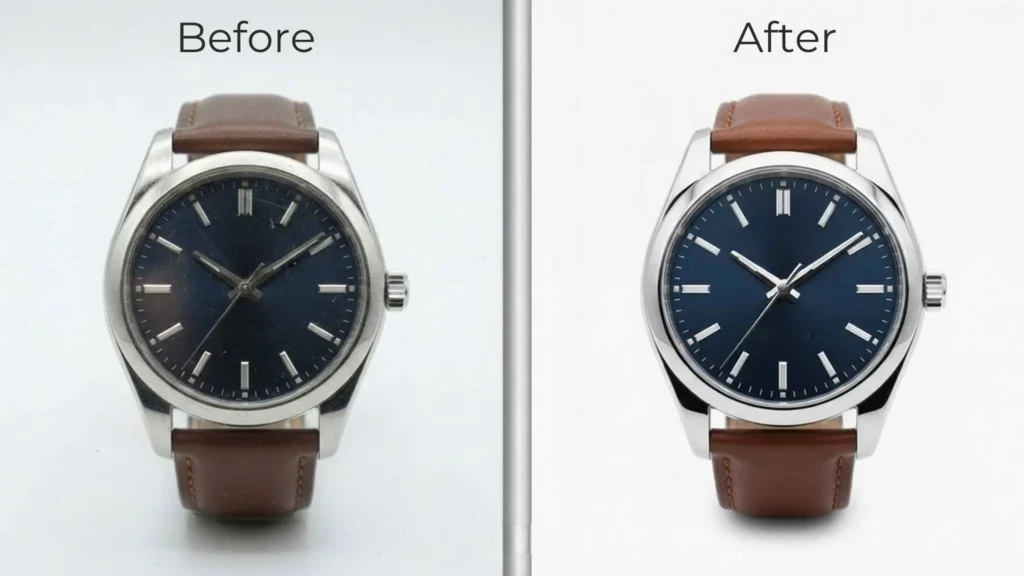
Almost every business sells or markets online now, and the image is what grabs customers’ attention. Clean, accurate, appealing product photos build confidence and directly shape the buyer’s decision. For a category like jewellery, where captivating imagery that shows true detail is essential, jewelry photo editing quality can be the line between a sale and a scroll past. That lift in conversion rates is the clearest return on editing spend.

Accurate Editing Cuts Returns

Returns are one of e-commerce’s highest hidden costs, and a large share is driven by images that do not match the product; usually, it’s the wrong colour. Editing that represents products accurately means customers get what they expected and return less. Fewer returns mean money kept, and it compounds across a catalogue.

Lower Cost Than In-House

Building editing in-house means software licences, training, hiring, and management, plus the hours your team spends editing instead of on higher-value work. Outsourcing photo editing turns that fixed overhead into a predictable per-image or subscription cost that scales with your actual volume. For most businesses, especially with variable or seasonal volume, that is simply cheaper.

Creative Freedom and Consistency

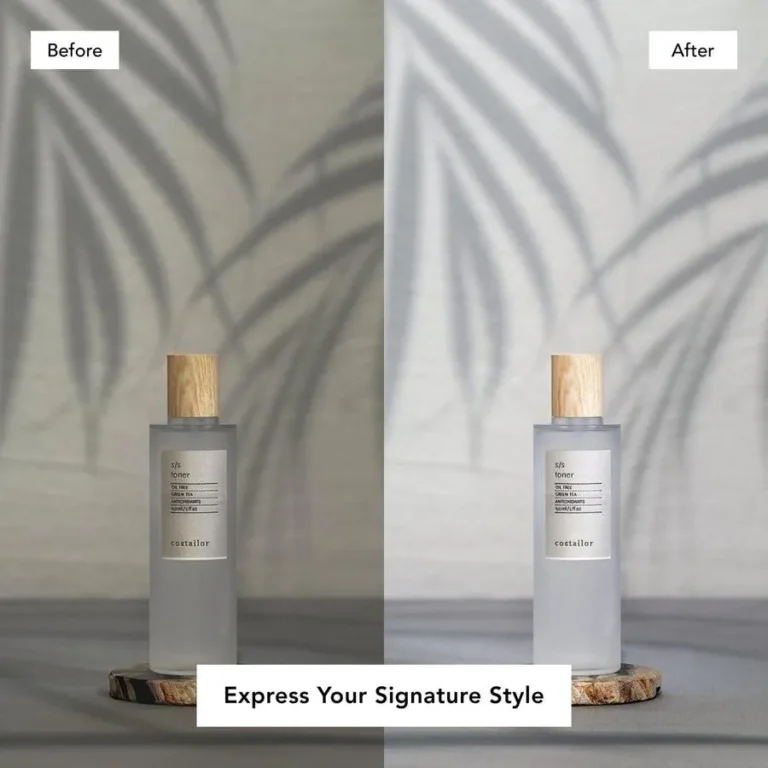
Online photo editing services offer the freedom to try effects and styles,, and the discipline to apply them consistently across every image. That consistency, hard to hold in-house while juggling everything else, is what makes a whole catalogue look cohesive and professional.
Is Outsourcing Photo Editing Worth It

Focus on Your Core Business

The biggest return might be opportunity cost. Every hour spent editing is an hour not spent on product, marketing, or customers — the things that actually grow the business. Outsourcing lets your team concentrate on core work while a specialist handles the images, which is often where the largest, though least visible, return sits. For a small team, that reclaimed time can be the difference between keeping up and falling behind.

When Outsourcing Is Not the Move

An honest picture cuts both ways. If your volume is tiny, a few images a month, the coordination overhead can outweigh the savings, and quick in-house edits may be simpler. If your style is highly bespoke and changes constantly, briefing an external team can slow you down. And outsourcing only pays if you pick a capable provider, since a cheap, inconsistent one creates rework that erases the ROI. The strongest returns come from steady, repetitive, high-volume editing, the work that is expensive in-house and well suited to a specialist.

Frequently Asked Questions

Is outsourcing editing worth the money?

For most visual-first businesses, yes. ROI comes from better conversions, enhanced images (good pictures sell), fewer returns due to accurate images, and is cheaper compared to developing the capability internally.
Firstly, it can lead to a higher number of conversions since customers feel more confident about their purchases, control returns due to misunderstandings caused by inappropriate pictures, and prevent spending time on editing.
Usually, once you count software, training, hiring, management, and staff time. Outsourcing turns that fixed overhead into a per-image or subscription cost that scales with your volume.
Visual-based industries such as jewelry, real estate, fashion, and e-commerce where the picture is of prime importance in making buying decisions.
It helps significantly. A large share of returns come from images that misrepresent the product (often colour). Accurate editing means customers get what they expected and return less.
The time your team spends editing is time not spent on product, marketing, and customers — the work that grows the business. Outsourcing frees that time for higher-value activity.
Track conversion on listings before and after adequate images, monitor return rates for image-related reasons, and compare the outsourced cost per image against the full in-house cost (software, staff time, training).
Often fairly quickly on conversion-sensitive pages, better images can lift click-through and conversion within weeks of going live. Return rate gains show over a longer window, and the cost savings versus in-house are immediate, since you stop paying for software, training, and editing time from day one.