Key Takeaways
- The best accessories solve real problems: running out of power, losing footage, and camera shake.
- A sturdy tripod and a spare battery or two head off the two most common day ruiners.
- A 50mm f/1.8 (the ‘nifty fifty’) is the cheapest single jump in image quality for most beginners.
- Once you shoot regularly, editing is where photos get finished, so plan for it alongside the gear.
A good camera is only the start. What makes shooting reliable, on a long day, in bad light, out in the field, is the kit around it. This is a plain checklist of ten accessories that earn their spot in a beginner’s bag, with a quick word on why each one is worth carrying.
The Ten Things Worth Carrying
- Camera bag. A padded, organised bag, a sling like the Lowepro Slingshot gives quick access, protects your gear and keeps lenses and bits within reach.
- External hard drive. A portable drive such as a WD My Passport backs up your shots on the road, so a lost or dead camera does not cost you the day’s work.
- Remote shutter. Wireless or wired, it removes hand shake for long exposures and self portraits.
- Power bank. A compact, fast charging bank keeps phones and USB gear alive on long shoots away from a socket.
- Memory card holder. To keep all your CF, SD, and microSD cards safe and convenient, use water- and shock-resistant case.
- Tripod. A stable tripod (a Manfrotto aluminium set, say) is a must for sharp low light shots, long exposures, and any static composition.
- External flash. A flash like a Canon Speedlite gives more natural, controllable light than the pop up.
- A 50mm f/1.8. The nifty fifty is cheap and noticeably sharper than a kit lens, with great low light performance. Best value upgrade for most beginners.
9. Camera strap. A comfortable, adjustable strap makes carrying the camera all day far easier and keeps it secure.
10. Spare batteries. Carry at least two. Batteries drain faster than beginners expect, especially in the cold or on long sessions.

Picking a First Camera and Lens
If you are still building a kit, the camera and first lens matter more than any accessory, and you do not need the priciest body to start. A solid entry or mid range camera with a good lens beats a top body with a weak one.
- The body. A modern entry level mirrorless or DSLR is plenty to learn on. Chase good low light performance and comfortable handling over the highest megapixel count.
- The first lens. Kit lenses are versatile but soft. A 50mm f/1.8 prime is the classic upgrade: sharp, great in low light, cheap. A general zoom covers everyday shooting while you figure out what you actually shoot.
- Full frame or not. Crop sensor cameras are lighter, cheaper, and perfectly good for beginners. Full frame earns its keep later, once you know your style and need its low light and depth of field edge.
Where Editing Fits In
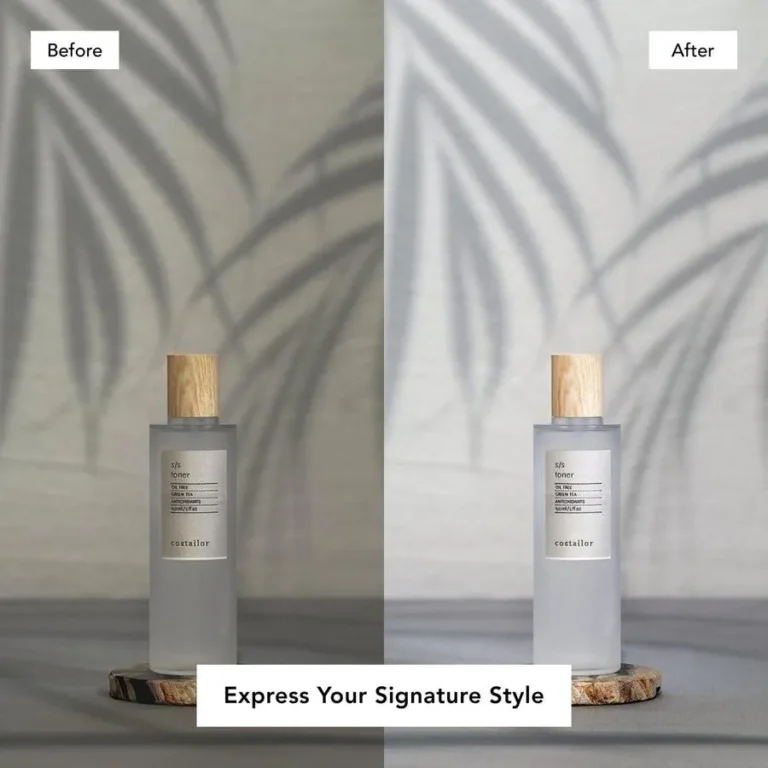
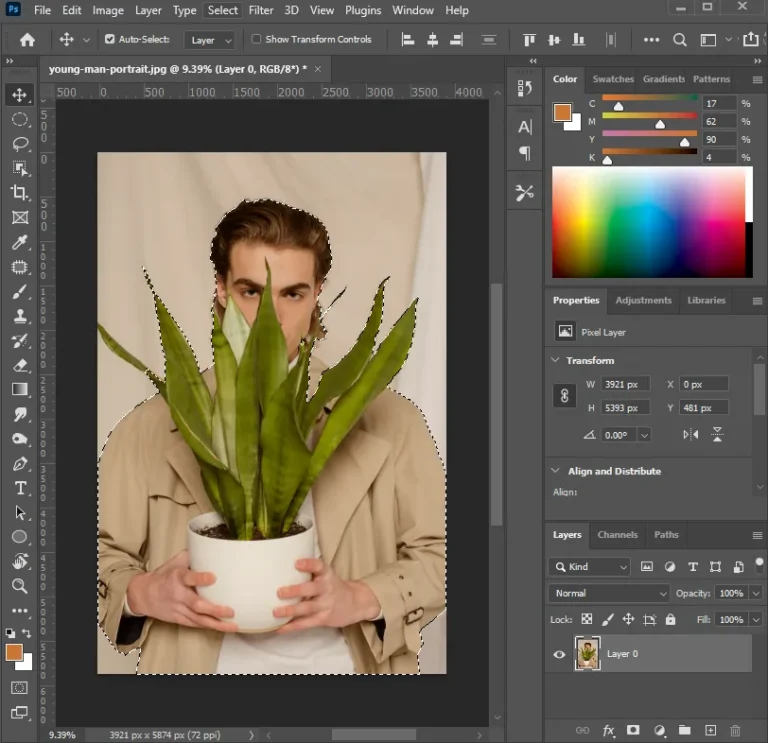
Gear captures the shot. Editing finishes it. Even a well shot photo usually wants colour correction, a crop, and some cleanup before it is ready to publish or sell. As your volume climbs, outsourcing that editing keeps your time behind the camera instead of at a screen.
Frequently Asked Questions
What does a beginner actually need?
Beyond the camera and a lens: a tripod, spare batteries, a memory card, a bag, and backup storage. A 50mm f/1.8 is the best cheap jump in image quality.
Do I need an external flash right away?
Not immediately, but it gives far more natural, controllable light than the built in one and becomes worth it as soon as you shoot indoors or in low light regularly.
Why is a tripod worth it?
It kills camera shake, the main cause of soft images in low light and long exposures, and it makes consistent framing possible for any static shot.
What camera should a beginner buy?
A modern entry level mirrorless or DSLR from any major brand. Favour handling and low light over megapixels, and put the money toward a good lens rather than the priciest body.
Do I need full frame to start?
No. Crop sensor is lighter, cheaper, and more than capable for learning. Full frame becomes worthwhile once you need its low light and depth of field advantages.
Do I need editing software as well?
Yes, editing is where images get finished. Even well shot photos usually need colour, cropping, and cleanup, and many photographers outsource it as volume grows.
How many lenses should a beginner own?
Start with two: whatever came with the camera, plus a 50mm f/1.8. That covers most everyday shooting and low light, and it teaches you what focal lengths you actually reach for before you spend more.