Key Takeaways
- E-commerce editing makes product images flawless, consistent, and enticing.
- It spans several services including retouching, background work, colour correction, and more.
- Consistent editing builds a cohesive brand and a better shopping experience.
- Choosing the right partner, on portfolio and communication, is key.
What E-commerce Editing Really Is
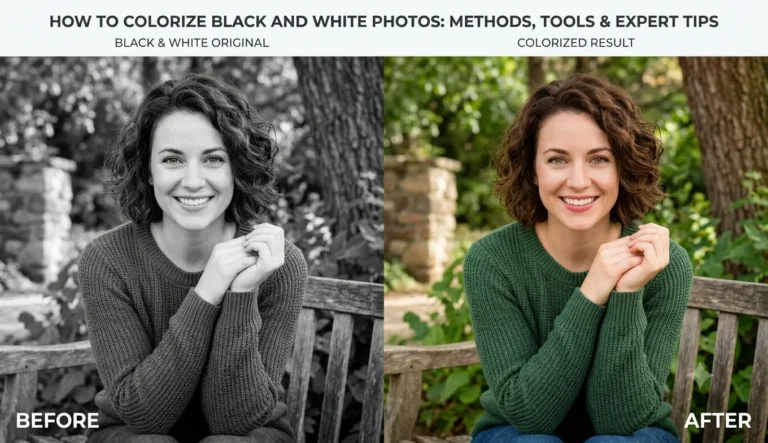
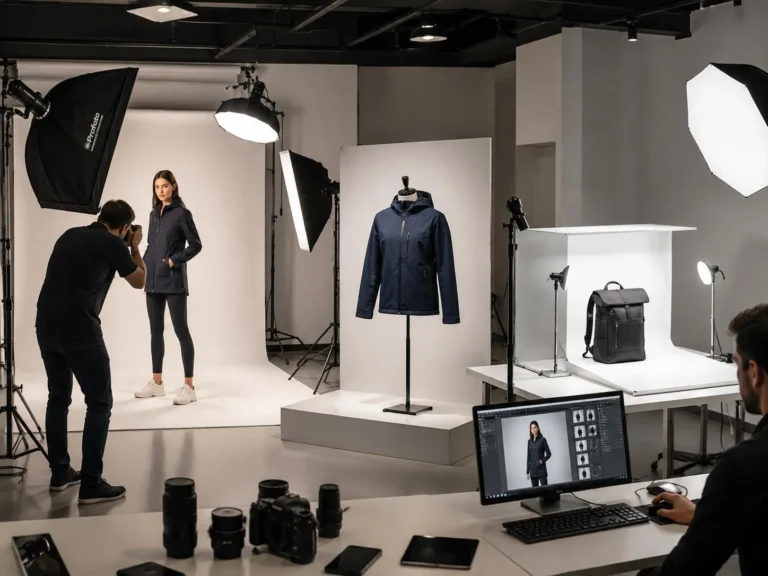
At its heart, e-commerce editing is meticulous adjustment that makes product images flawless and enticing. Shoppers cannot handle the product, so the image has to do everything: show it clearly, accurately, and attractively. Editing closes the gap between a raw camera file and an image polished enough to earn a purchase.
The Core Services
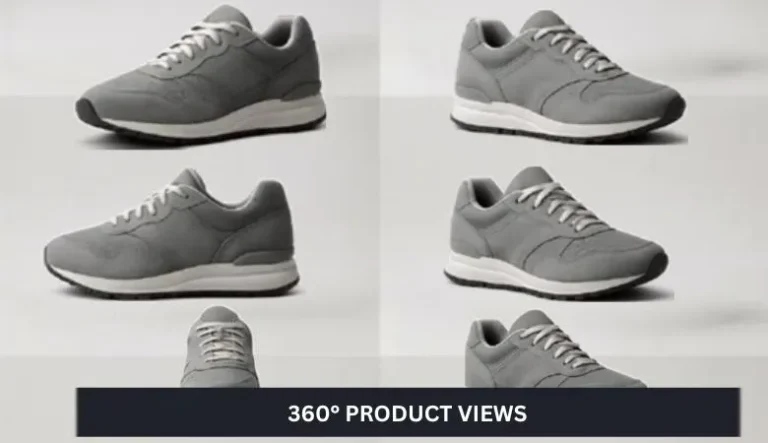
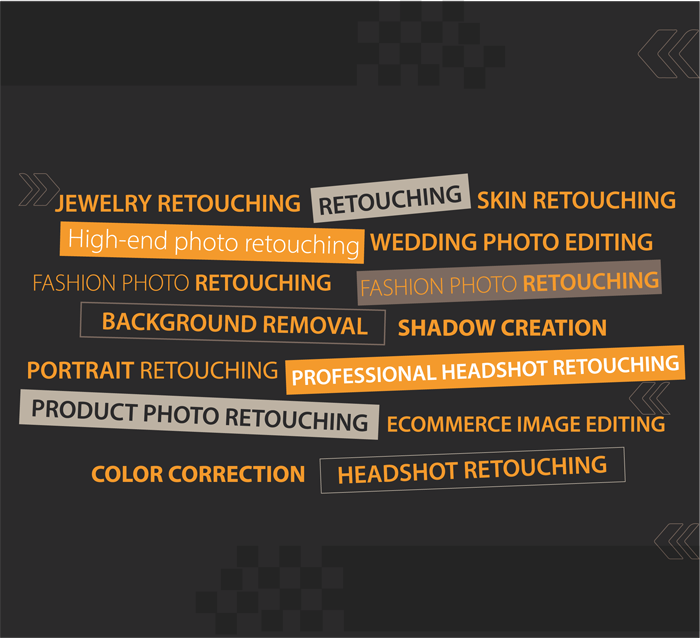
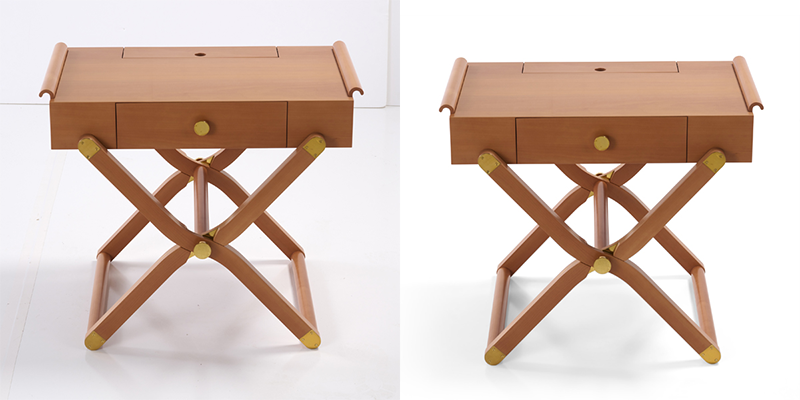
E-commerce photo editing covers several distinct services: product retouching to clear flaws and perfect detail, background removal and replacement for clean listings, colour correction for accuracy, and shadow work for depth. Depending on the store, it can extend to fashion and lifestyle editing. Knowing these services helps you scope exactly what your catalogue needs.
Consistency Makes a Cohesive Brand
Beyond individual images, editing keeps products consistent in quality, colour, and style across the whole catalogue, creating a cohesive brand image. That consistency is what makes a store look established and trustworthy. An inconsistent catalogue, even with good individual photos, signals the opposite and undermines confidence.
A Better Shopping Experience
Appealing, consistent images engage customers and create an immersive shopping experience, making the digital space as organised as a well-arranged store. That keeps shoppers browsing longer and more comfortable buying, since clear, attractive images answer their questions and cut hesitation at the point of decision.
How does editing shape the brand?
E-commerce editing is a quiet force shaping how a brand is perceived. A signature colour treatment, consistent lighting, and a uniform style become part of the brand’s visual identity, recognisable across listings, ads, and social. Editing, then, is not just about individual products; it is about how the whole brand looks and feels.
Common Mistakes to Avoid
Even good images can be weakened by a few recurring mistakes. Over-editing, pushing colour and smoothing detail until the product looks different from reality, is the biggest, since it drives returns. Inconsistent backgrounds, crops, and colour across the catalogue make a store look unprofessional even when individual photos are fine. Rough cutouts with jagged edges or a faint halo cheapen products. Even pages slow down due to oversized and unoptimised images. This hurts conversions and rankings. Avoiding these is often worth more than any single advanced technique.
Why is it important to choose the right partner
Results depend heavily on the partner. Evaluate portfolios for work in your product category, read testimonials for reliability, and keep clear, direct communication about your requirements. A partner who understands your brand standards and communicates well delivers far more consistent results than one chosen on price.
Scaling Without Losing Quality
As a catalogue grows, the challenge is holding quality and consistency at volume and speed. A capable partner, or a disciplined in-house process, applies the same standards across large batches efficiently, so new products go live quickly without losing the polish and consistency that make a store convert.
Frequently Asked Questions
What is e-commerce photo editing?
The process of refining raw product shots into flawless, consistent, enticing images through retouching, background work, colour correction, and shadows, so products look clear, accurate, and attractive across the store.